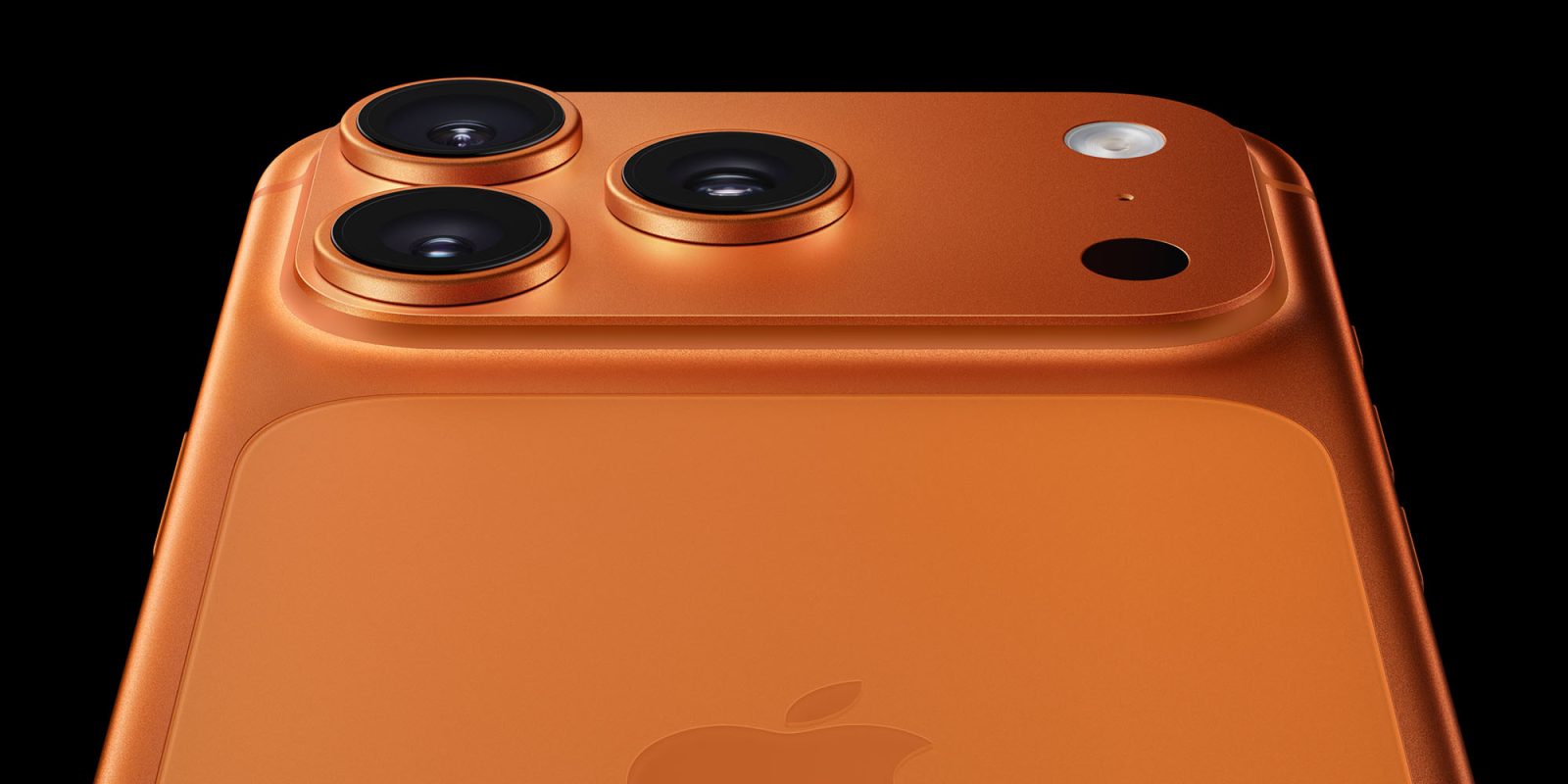
Apple’s iPhone Achieves Record 9% Market Share in India Amidst Stagnant Smartphone Shipments
In 2025, Apple experienced unprecedented growth in the Indian smartphone market, shipping approximately 14 million iPhones and elevating its market share to a record 9%, up from 7% in 2024. This surge occurred despite the overall smartphone market in India remaining relatively flat, with total shipments hovering around 152 million to 153 million units. ([techcrunch.com](https://techcrunch.com/2026/01/23/apple-iphone-just-had-its-best-year-in-india-as-the-smartphone-market-stays-broadly-flat/?utm_source=openai))
Several factors contributed to Apple’s remarkable performance:
1. Diverse Product Portfolio: The introduction of models like the iPhone 16 and iPhone 17 series catered to a broad spectrum of consumer preferences, enhancing Apple’s appeal across various demographics.
2. Increased Aspirational Demand: The iPhone’s status as a premium device resonated with Indian consumers seeking high-quality smartphones, leading to heightened demand.
3. Expanded Retail Presence: Apple’s strategic expansion of its retail footprint, including the opening of flagship stores and authorized resellers, improved accessibility for customers nationwide.
4. Attractive Financing Options: The company offered enticing financing schemes, such as no-cost EMIs and exchange offers, making iPhones more affordable to a broader audience.
The premium smartphone segment in India witnessed significant growth, with devices priced above ₹30,000 (approximately $327) increasing by 15% year-over-year in 2025. This segment accounted for a record 23% of total shipments, the highest share ever recorded. ([techcrunch.com](https://techcrunch.com/2026/01/23/apple-iphone-just-had-its-best-year-in-india-as-the-smartphone-market-stays-broadly-flat/?utm_source=openai)) Apple’s strong presence in this segment was pivotal to its overall market share expansion.
Local manufacturing played a crucial role in Apple’s success. By assembling about 20% of iPhones sold in India domestically, Apple reduced import duties and offered competitive pricing. This strategy also facilitated the continued sale of older models like the iPhone 13 and iPhone 14 at reduced prices, while ramping up production of newer models. ([thetechportal.com](https://thetechportal.com/2026/01/24/apple-records-14mn-iphone-shipments-in-india-in-2025-captures-9-market-share-report/?utm_source=openai))
Despite these gains, Apple did not break into the top three smartphone manufacturers in India by volume. In 2025, Vivo led the market with a 23% share, followed by Samsung at 15%, and Xiaomi at 13%. ([techcrunch.com](https://techcrunch.com/2026/01/23/apple-iphone-just-had-its-best-year-in-india-as-the-smartphone-market-stays-broadly-flat/?utm_source=openai))
Apple’s growth in India reflects a broader trend of increasing demand for premium smartphones, even as the overall market experiences stagnation. The company’s strategic initiatives, including product diversification, local manufacturing, and enhanced retail strategies, have positioned it favorably in one of the world’s largest smartphone markets.