Microsoft Teams to Automatically Share Employee Locations via Wi-Fi Networks
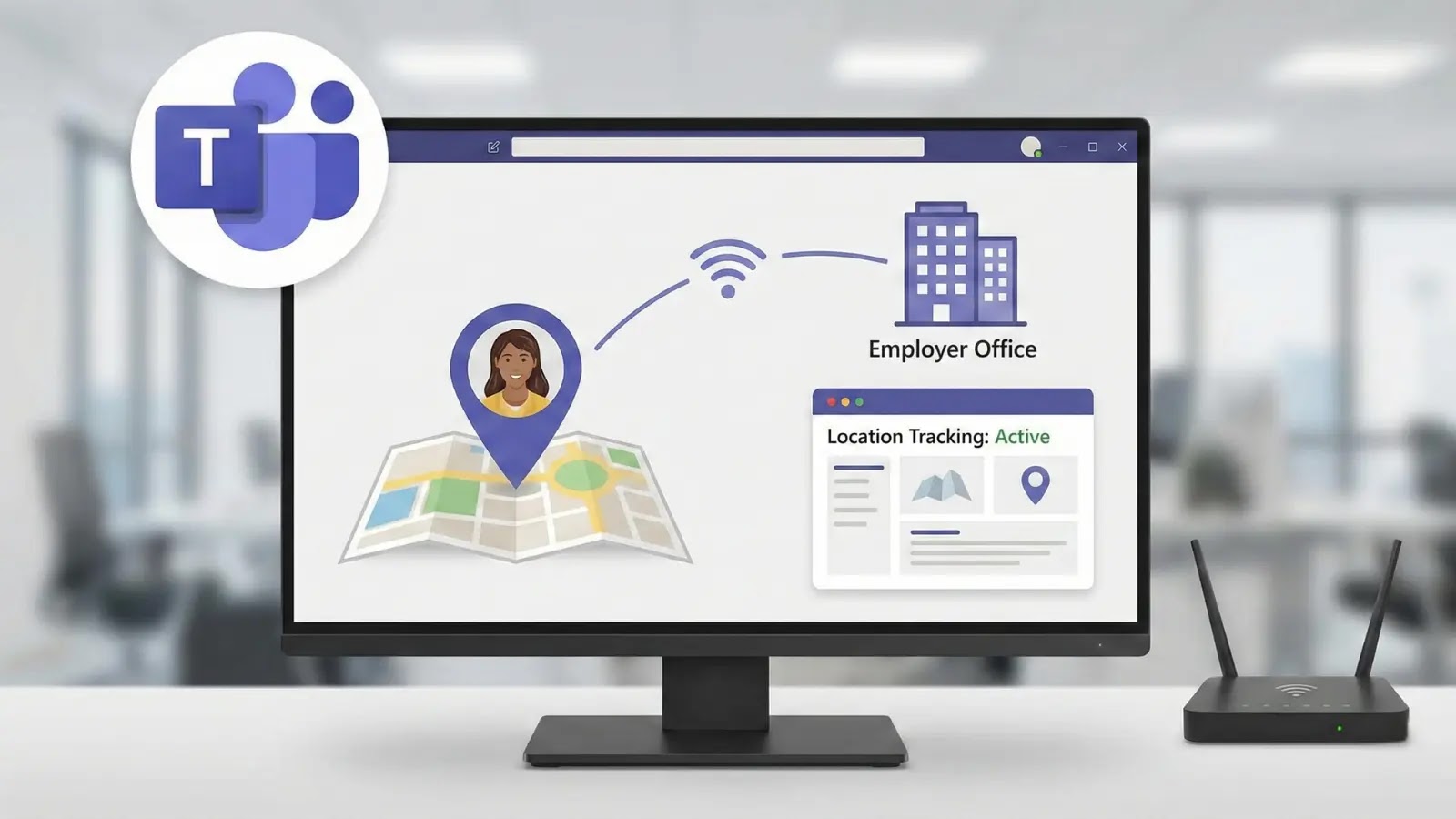
Microsoft is set to introduce a new feature in Microsoft Teams that will automatically detect and display employees’ physical work locations based on their connection to organizational Wi-Fi networks. This update, identified as Roadmap ID 488800, is scheduled to begin rolling out in March 2026 for Worldwide (Standard Multi-Tenant) cloud instances, targeting both Desktop and Mac platforms.
Feature Overview
The core functionality of this feature relies on network identification. When a user connects to a recognized organizational Wi-Fi network (SSID), the Teams client cross-references the network identifier with location data configured by the tenant administrator. If a match is found, Teams automatically updates the user’s status to reflect the specific building associated with that network segment. This automation aims to streamline coordination in hybrid work environments by letting colleagues know exactly which building a user is working from, eliminating the need for manual status updates.
Privacy and User Control
Recognizing potential privacy concerns, Microsoft has implemented specific safeguards:
– Opt-In Mechanism: The feature is off by default. Tenant administrators must first enable the capability at the organizational level. Even then, end-users are required to opt-in before their location is automatically shared.
– Temporal Limits: Teams will not update the location outside of defined working hours and will automatically clear the location status at the end of the workday.
However, the requirement for end-users to opt-in has drawn scrutiny. In enterprise environments, opt-in can often become a soft requirement if company policy dictates that location visibility is mandatory for compliance or attendance tracking.
Potential Implications
While Microsoft frames this as a convenience tool for hybrid coordination, critics and privacy advocates view it as an escalation of workplace surveillance. The update provides employers with granular data on office attendance without requiring badge-swipe audits.
This development follows years of friction between employees and the Teams Away status. Many remote workers have historically utilized mouse jigglers to prevent Teams from marking them inactive after five minutes. By tying location status directly to the physical network infrastructure, Microsoft is effectively closing the loop on location ambiguity. If a user is not connected to the corporate Wi-Fi, the absence of the automatic location tag implicitly signals they are working remotely.
Preparation for Rollout
As the March 2026 rollout approaches, IT administrators should prepare to configure privacy policies and communicate clear guidelines to users regarding how this location data will be utilized and stored. Organizations must proactively configure tenant settings, including mapping Wi-Fi networks to building identifiers and establishing peripheral device associations. Microsoft plans to release comprehensive documentation updates before the feature’s general availability, providing detailed implementation guidance for IT departments.
Conclusion
This update represents Microsoft’s continued commitment to intelligent workplace solutions, offering organizations powerful tools for modern hybrid work management while maintaining user privacy and administrative control through robust policy frameworks. However, it also underscores the need for organizations to balance technological advancements with employee privacy considerations, ensuring that new features are implemented transparently and with clear communication to all stakeholders.