Apple Faces $2 Billion UK Lawsuit Over Alleged Apple Pay Practices
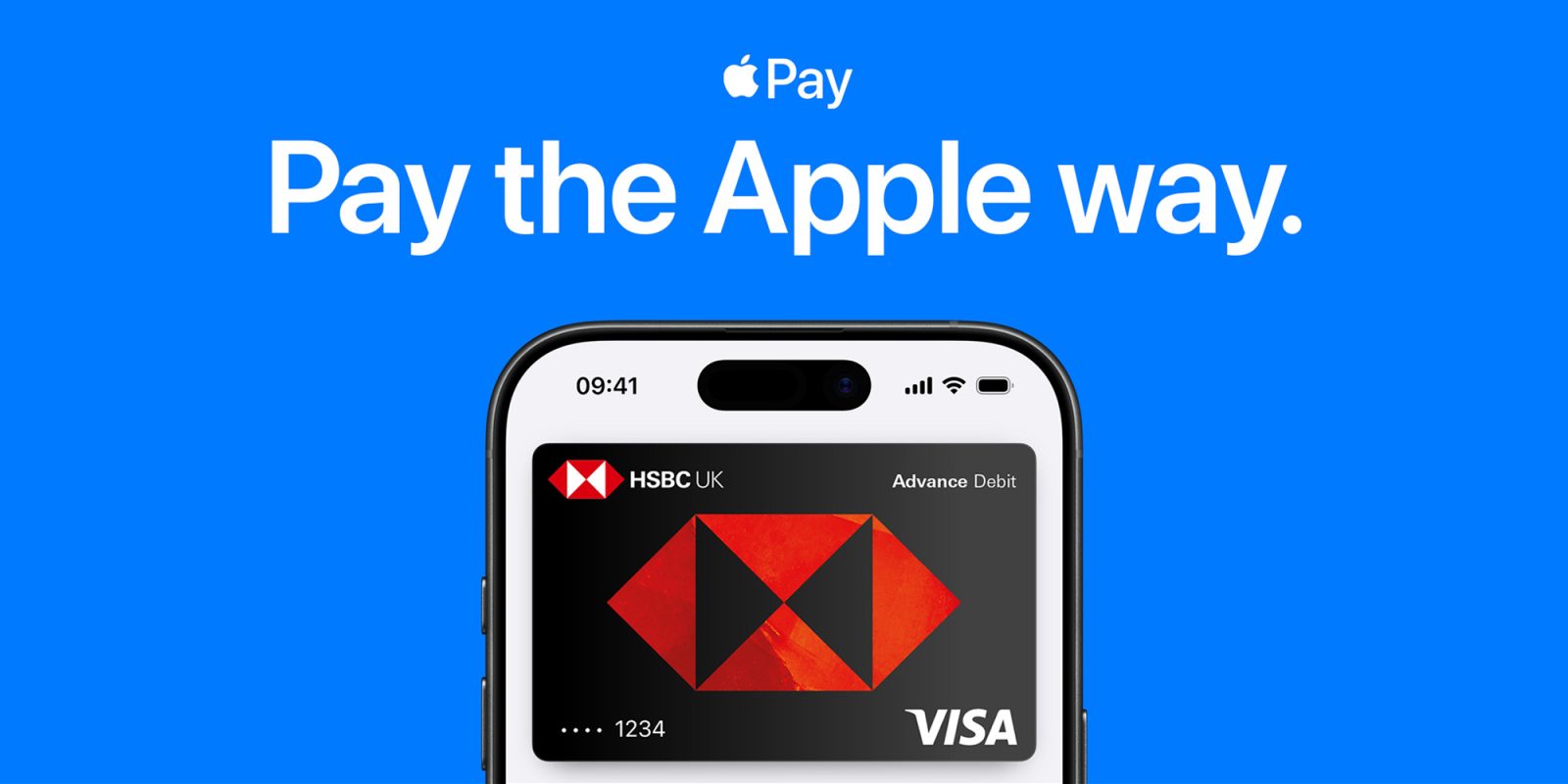
Apple is currently confronting a substantial legal challenge in the United Kingdom, with a class action lawsuit seeking £1.5 billion (approximately $2 billion) in damages. The lawsuit, initiated by James Daley, founder of Fairer Finance, alleges that Apple’s control over its contactless payment system, Apple Pay, has stifled competition and imposed hidden fees, leading to increased costs for UK consumers.
Allegations Against Apple Pay
The core of the lawsuit asserts that Apple’s exclusive control over Apple Pay has created an anti-competitive environment. Daley contends that this monopoly has resulted in additional costs within the banking system, which have been transferred to consumers, affecting a significant majority of the UK population, regardless of whether they use Apple devices. He stated, By shutting out competition and charging hidden fees, Apple has pushed up costs for millions of consumers. Shockingly, this doesn’t just affect Apple Pay users or iPhone owners. Banks have passed these costs on to all customers, meaning everyone is paying the price.
The lawsuit highlights a disparity between Apple’s practices and those of Android platforms, where such fees are reportedly absent. This contrast is used to underscore the claim that Apple’s approach has led to unnecessary financial burdens on consumers.
Apple’s Response
Apple has firmly denied the allegations, describing the class action as misguided and advocating for its dismissal. The company emphasized that Apple Pay offers a seamless and secure way for users to make contactless payments and is just one of many payment options available to consumers. Apple also pointed out that it does not charge fees to consumers or merchants for using Apple Pay and highlighted the benefits banks receive from offering the service, notably in fraud reduction.
Furthermore, Apple noted recent platform changes, stating that it has opened up near-field communication (NFC) and secure element interfaces to third-party applications in markets including the UK, thereby allowing them to support contactless payments.
Context of the Lawsuit
This legal action is the first in the UK to challenge Apple’s conduct concerning Apple Pay. It comes at a time when regulators such as the Competition and Markets Authority and the Payments Systems Regulator have begun scrutinizing digital wallet services within the tech industry. The lawsuit has been filed with the UK’s Competition Appeal Tribunal, which will determine whether the case can proceed.
Broader Implications
The outcome of this lawsuit could have significant implications for Apple’s operations in the UK and potentially influence regulatory approaches to digital payment systems globally. If the court rules in favor of the plaintiffs, Apple may be required to alter its Apple Pay practices and could face substantial financial penalties.
This case also reflects a growing trend of legal challenges against major tech companies regarding their control over digital platforms and the associated economic impacts on consumers and competitors.
Conclusion
As the legal proceedings unfold, the tech industry and consumers alike will be closely monitoring the case’s developments. The lawsuit underscores the ongoing debate over the balance between innovation, competition, and consumer protection in the rapidly evolving digital economy.