Tesla’s Driverless Robotaxi Service Debuts in Austin
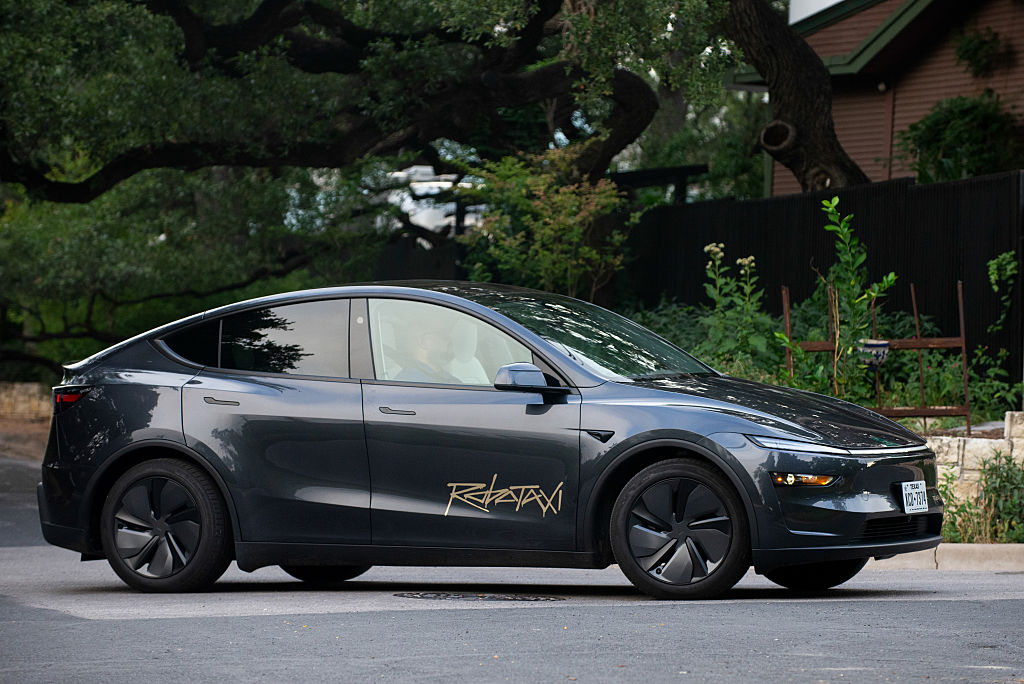
Tesla has officially launched its driverless robotaxi service in Austin, Texas, marking a significant milestone in autonomous vehicle technology. This initiative allows passengers to experience rides without a human safety driver present in the vehicle.
On January 22, 2026, Tesla’s CEO, Elon Musk, announced the commencement of these driverless rides via his social media platform, X. He congratulated the Tesla AI team for their achievement and extended an invitation to engineers interested in advancing real-world artificial intelligence, emphasizing the potential progression toward artificial general intelligence (AGI).
The journey toward this launch began in June 2025 when Tesla introduced its robotaxi service in Austin with a limited deployment. Initially, these rides included a safety operator seated in the front passenger seat, and the service was primarily available to influencers and select customers. By December 2025, Tesla advanced its testing phase by operating robotaxis without a safety driver in the front seat, a precautionary measure to ensure human intervention if necessary.
Tesla’s AI lead, Ashok Elluswamy, indicated that the company is adopting a phased approach. Initially, a few unsupervised vehicles will be integrated into the broader robotaxi fleet, which still includes safety monitors. Over time, the proportion of fully driverless vehicles is expected to increase.
Unlike some competitors who offered complimentary rides during their initial deployments, Tesla has opted to charge passengers for these driverless rides. Observations from riders suggest that a chase car follows the driverless vehicles, possibly as an additional safety measure during this early phase.
The introduction of Tesla’s driverless robotaxi service in Austin represents a pivotal moment in the evolution of autonomous transportation. It underscores Tesla’s commitment to innovation and its ambition to lead in the autonomous vehicle sector. As the service expands and evolves, it will be crucial to monitor its impact on urban mobility, regulatory landscapes, and public acceptance of driverless technology.