Stealing Isn’t Innovation: Advocating for Ethical AI in the Creative Industry
Artificial Intelligence (AI) has rapidly evolved, becoming a formidable force in various sectors, including the creative arts. However, this advancement has sparked significant concerns about the ethical implications of AI-generated content, particularly in music. The Stealing Isn’t Innovation campaign, initiated by the Human Artistry Campaign—a coalition of musicians and industry professionals—aims to address these concerns by promoting ethical practices in AI’s interaction with creative works.
The Rise of AI in Creative Spaces
AI’s capability to generate music, art, and literature has grown exponentially. By analyzing vast datasets of existing works, AI models can produce content that mimics human creativity. While this technological leap offers exciting possibilities, it also raises questions about originality, ownership, and the potential exploitation of artists’ intellectual property.
The Stealing Isn’t Innovation Campaign
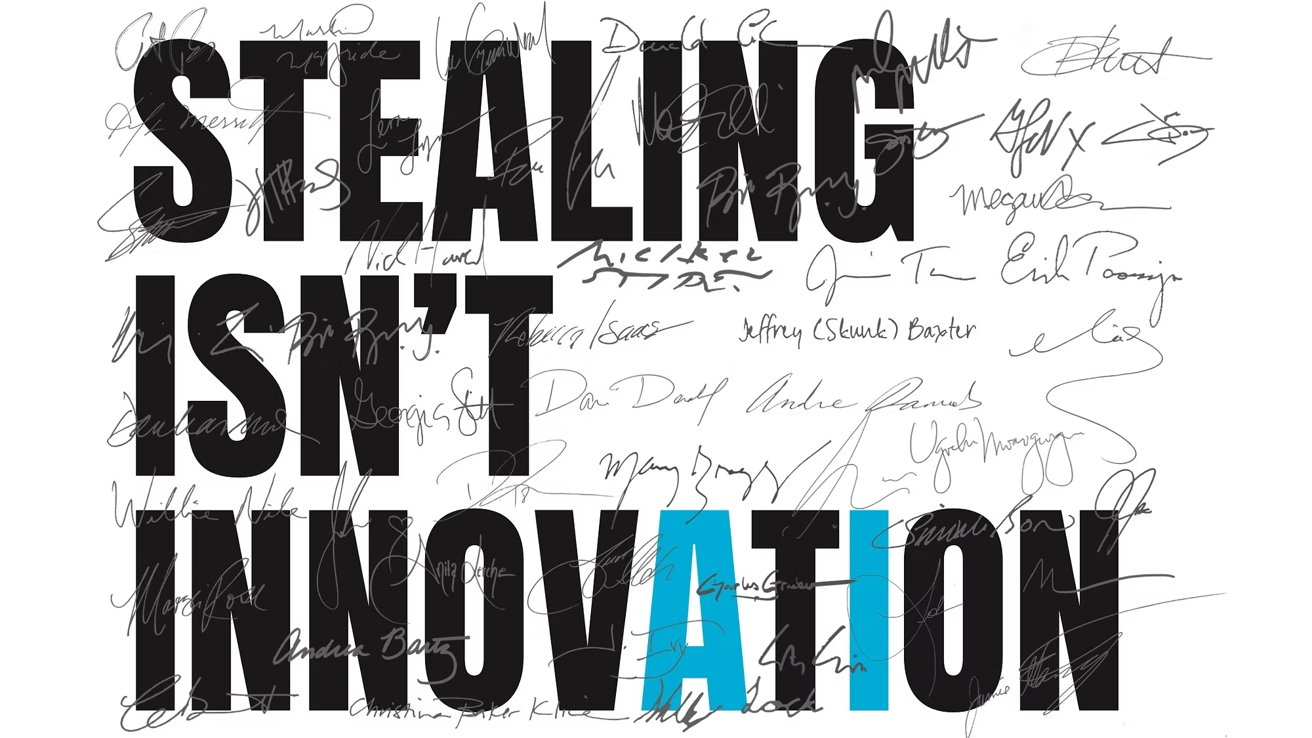
Launched on January 22, 2026, the Stealing Isn’t Innovation campaign seeks to highlight the unauthorized use of copyrighted material by AI systems. The campaign’s central message is clear: true innovation respects the rights and contributions of original creators. The campaign’s website states:
Artists, writers, and creators of all kinds are banding together with a simple message: Stealing our work is not innovation. It’s not progress. It’s theft—plain and simple.
The campaign advocates for AI companies to engage in ethical practices, such as obtaining proper licenses and forming partnerships with content creators. This approach ensures that AI development progresses without infringing on the rights of artists.
Industry Support and Ethical Considerations
The Recording Industry Association of America (RIAA) has expressed strong support for the campaign. The RIAA emphasizes the need for ethical AI practices, particularly concerning large language models trained on unethically obtained music. The association argues that AI-generated music should not be produced without the consent of the original artists.
The campaign has garnered support from over 800 artists and industry professionals, reflecting a collective demand for ethical standards in AI’s use of creative content.
The Broader Context of AI-Generated Content
The proliferation of AI-generated content extends beyond music, affecting various creative domains. Social media platforms have seen an influx of AI-produced material, often prioritizing quantity over quality. This trend has led to concerns about the dilution of original content and the potential for AI to overshadow human creativity.
Platforms like YouTube have reported that a significant portion of their content comprises low-quality, AI-generated material. This phenomenon underscores the need for ethical guidelines to govern AI’s role in content creation.
Historical Precedents and Legal Implications
The debate over intellectual property rights in the face of technological advancement is not new. For instance, in 2013, Dyson accused Samsung of infringing on its patented steering mechanism for vacuum cleaners. Similarly, Apple has engaged in legal battles to protect its innovations from being copied by competitors.
These cases highlight the importance of protecting intellectual property rights to foster genuine innovation. The Stealing Isn’t Innovation campaign aligns with this perspective, advocating for the protection of artists’ rights in the age of AI.
The Path Forward: Ethical AI Development
The campaign emphasizes that ethical AI development is achievable through responsible practices. By engaging in licensing agreements and partnerships, AI companies can access creative content without infringing on artists’ rights. This approach ensures that AI can continue to evolve and contribute to the creative industry without compromising ethical standards.
The campaign’s website further states:
A better way exists—through licensing deals and partnerships, some AI companies have taken the responsible, ethical route to obtaining the content and materials they wish to use. It is possible to have it all. We can have advanced, rapidly developing AI and ensure creators’ rights are respected.
Conclusion
The Stealing Isn’t Innovation campaign serves as a crucial reminder of the need for ethical considerations in the development and deployment of AI technologies. By respecting the rights of original creators and engaging in responsible practices, the tech industry can ensure that innovation and creativity coexist harmoniously.