Apple’s Iconic ‘1984’ Super Bowl Ad: The Untold Story of Its Near Cancellation
In the annals of advertising history, few commercials have left as indelible a mark as Apple’s 1984 Super Bowl ad. Directed by the acclaimed Ridley Scott, this groundbreaking advertisement not only introduced the Macintosh computer but also redefined the landscape of Super Bowl commercials. Yet, the journey to its broadcast was fraught with internal opposition and near cancellation.
The Genesis of ‘1984’
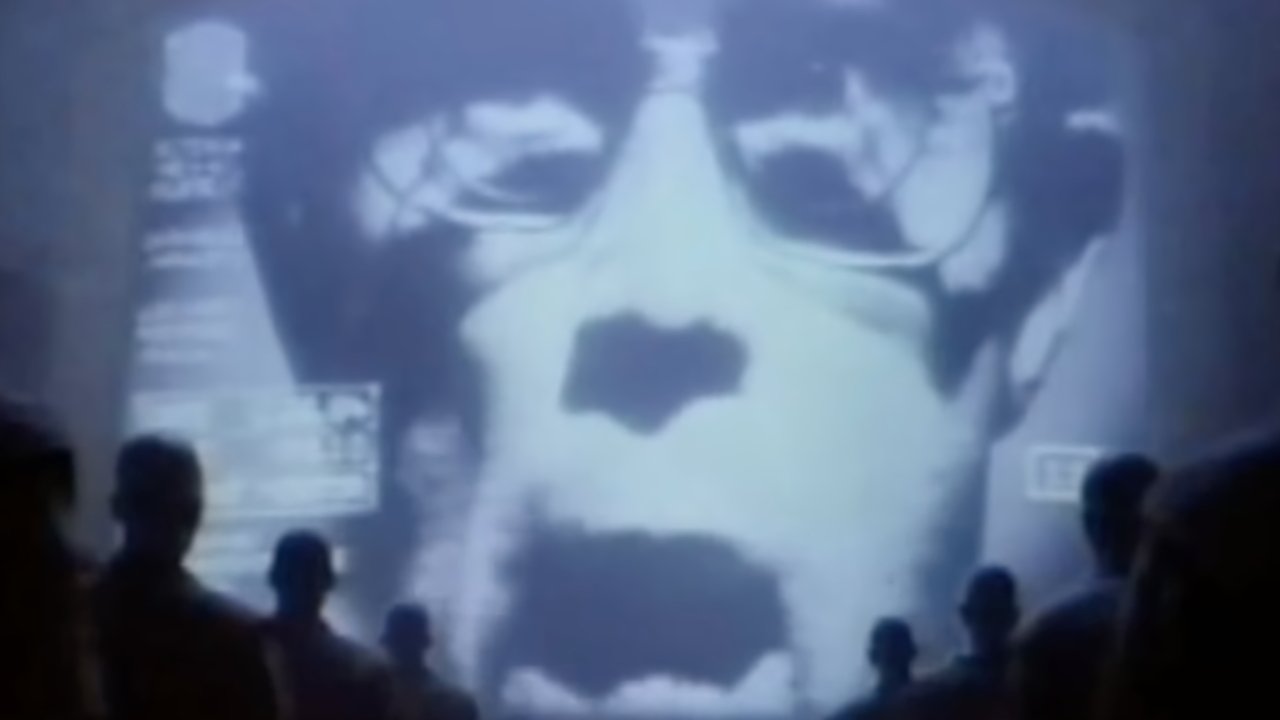
In the early 1980s, Apple sought to distinguish itself in the burgeoning personal computer market. To achieve this, they enlisted the creative prowess of the Chiat/Day advertising agency. The agency conceived a bold narrative inspired by George Orwell’s dystopian novel, Nineteen Eighty-Four. The ad depicted a totalitarian society subdued by a Big Brother figure, symbolizing the dominance of competitors like IBM. A lone heroine, representing Apple, disrupts this conformity by hurling a sledgehammer into the screen projecting Big Brother’s image, heralding the arrival of the Macintosh as a tool of liberation.
Internal Dissent and Near Cancellation
Despite the ad’s innovative concept, it faced significant resistance within Apple. Many executives found the commercial’s dark and abstract themes unsettling. Concerns were raised about its potential to alienate consumers and the substantial financial investment required for its production and Super Bowl airtime. The apprehension was so pronounced that Apple’s board considered pulling the ad entirely. They even attempted to sell back the purchased Super Bowl slot, reflecting the depth of their reservations.
The Decision to Air
The turning point came when Steve Jobs, Apple’s co-founder, championed the ad’s vision. He believed in its potential to make a bold statement and differentiate Apple from its competitors. Jobs’ conviction, combined with the inability to sell back the airtime, led to the decision to proceed with the broadcast. On January 22, 1984, during Super Bowl XVIII, the 1984 ad aired, captivating an audience of millions.
Impact and Legacy
The commercial’s impact was immediate and profound. It generated extensive media coverage, with news programs rebroadcasting it and sparking widespread discussion. The ad’s cinematic quality and compelling narrative set a new standard for Super Bowl commercials, transforming them into highly anticipated cultural events. Advertising Age later named it the Commercial of the Decade, and it continues to be celebrated as one of the most influential advertisements ever created.
Beyond its advertising acclaim, the 1984 ad played a pivotal role in shaping Apple’s brand identity. It positioned the Macintosh as a revolutionary product, challenging the status quo and empowering individuals. This ethos of innovation and defiance against conformity became central to Apple’s corporate image.
Reflections on the ‘1984’ Ad
Decades later, the 1984 commercial remains a testament to the power of bold, creative advertising. It underscores the importance of taking risks and staying true to a visionary concept, even in the face of internal opposition. The ad’s success also highlights the evolving nature of Super Bowl commercials, which have become platforms for brands to make significant cultural statements.
In retrospect, the near cancellation of the 1984 ad serves as a reminder of the delicate balance between innovation and risk. Apple’s decision to air the commercial not only propelled the Macintosh into the spotlight but also cemented the company’s reputation as a trailblazer willing to challenge norms and embrace bold ideas.