Article Title: Utah Senator Proposes Android as Official State Mobile Operating System
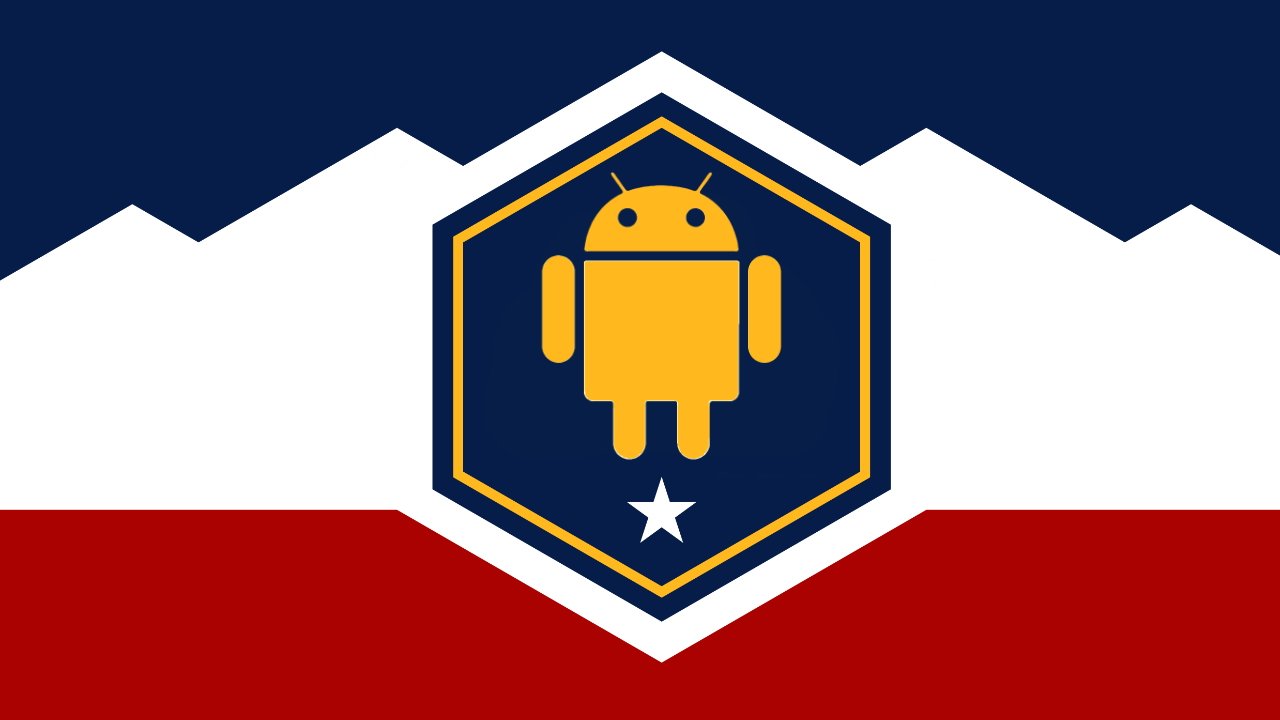
In a move that has sparked both amusement and criticism, Utah Senate Majority Leader Kirk Cullimore (R-Sandy) has introduced a bill proposing Android as the official state mobile operating system. This initiative has raised questions about legislative priorities and the role of personal preferences in public policy.
The Proposal:
Senator Cullimore’s bill aims to designate Android as Utah’s official mobile operating system. This proposal has elicited mixed reactions within the state legislature. Some senators responded with cheers, while others expressed skepticism. Republican Senator Mike McKell notably questioned the bill’s legitimacy, asking, Is this a real bill?
Motivations Behind the Bill:
Cullimore, an Android user in a family of iPhone enthusiasts, appears to be motivated by personal preference. He stated, Someday, everybody with an iPhone will realize that the technology is better on Android. He also mentioned the ongoing debate over messaging compatibility between Android and iPhone users, particularly the distinction between green and blue message bubbles.
Legislative Context:
The Utah Legislature is currently reviewing 179 Senate Bills and 320 House Bills, addressing critical issues such as budget allocations, taxation, healthcare, human trafficking, and child abuse. Cullimore’s bill, titled State Mobile Operating System Designation, is listed as number 138 among the Senate Bills. The introduction of this bill has raised concerns about the efficient use of legislative time and resources.
Public and Political Reactions:
The proposal has been met with a mix of amusement and criticism. Some view it as a lighthearted initiative, while others see it as a distraction from more pressing matters. Cullimore himself acknowledged the bill’s likely fate, stating, I don’t expect this to really get out of committee. This admission has led to further questions about the purpose and timing of the proposal.
Broader Implications:
This initiative highlights the intersection of personal preferences and public policy. While legislators have the right to propose bills reflecting their interests, the introduction of such a bill raises questions about the prioritization of legislative efforts. It also underscores the ongoing debates between Android and iPhone users, reflecting broader discussions about technology choices and their cultural implications.
Conclusion:
Senator Cullimore’s proposal to designate Android as Utah’s official state mobile operating system has sparked a range of reactions, from amusement to criticism. While it brings attention to the personal preferences of legislators, it also raises important questions about the prioritization of legislative efforts and the role of personal interests in public policy.