Apple’s iPhone 18 to Feature Significantly Brighter Display
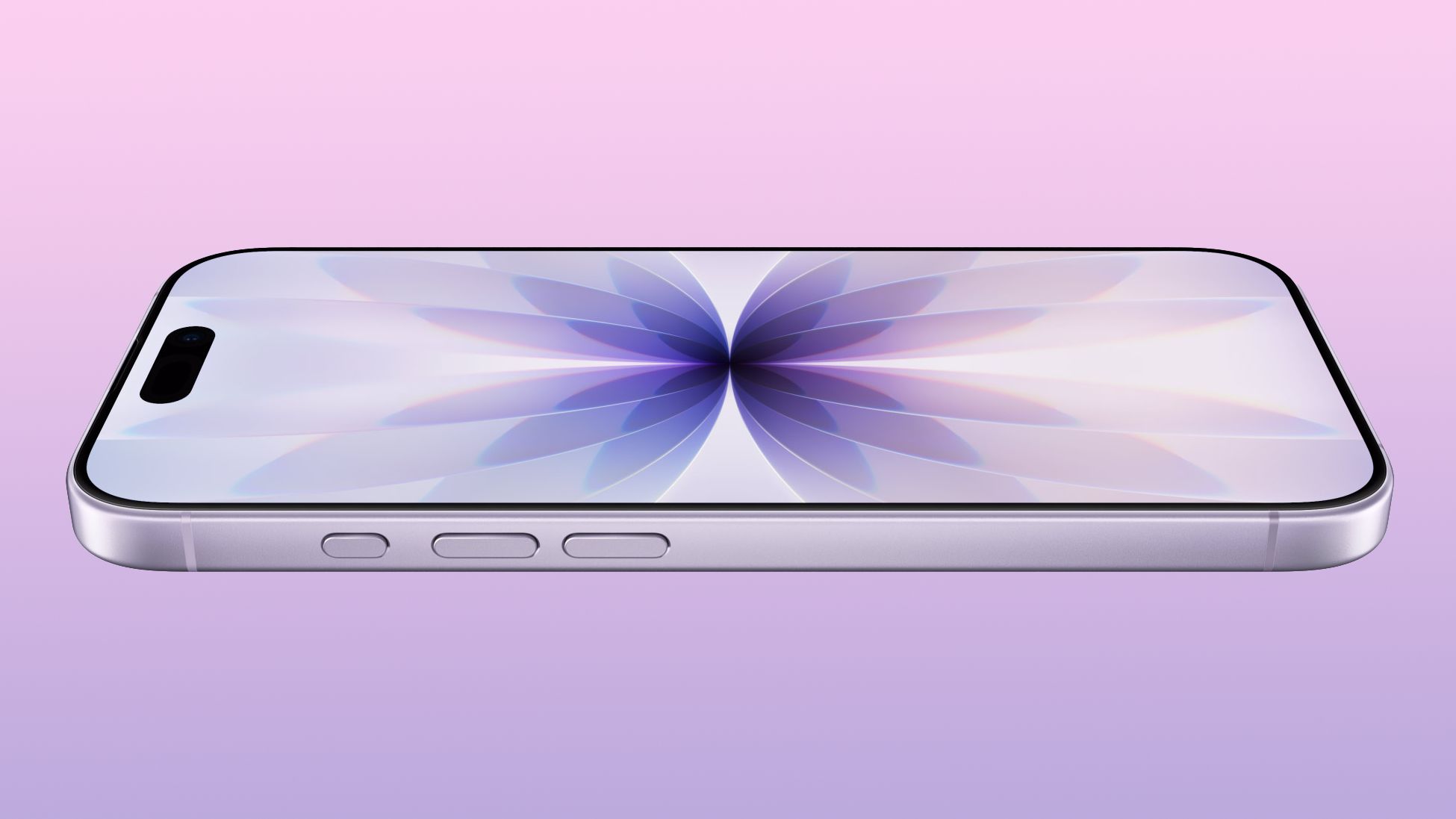
Apple is poised to introduce a major enhancement in display brightness with its upcoming iPhone 18, according to recent reports from Chinese leaker Instant Digital on Weibo. The leaker indicates that Apple’s brightness requirements for the next-generation device are unprecedentedly high, suggesting a substantial leap forward in display technology.
Historical Context of iPhone Display Brightness
Over the years, Apple has progressively improved the brightness levels of its iPhone displays:
– iPhone 13 and iPhone 14: These models offered a typical maximum brightness of 800 nits, with peak HDR brightness reaching 1,200 nits.
– iPhone 15, iPhone 16, and iPhone 17: Apple increased the typical maximum brightness to 1,000 nits and peak HDR brightness to 1,600 nits. Notably, the iPhone 17 saw an increase in outdoor peak brightness from 2,000 nits to 3,000 nits.
Implications for Suppliers
The heightened brightness standards for the iPhone 18 have significant implications for Apple’s supply chain. Reports suggest that Chinese supplier BOE is struggling to meet these new requirements, potentially leading to a shift in panel orders to other manufacturers. This development underscores the technical challenges associated with producing displays that meet Apple’s stringent specifications.
Anticipated Features of the iPhone 18
Beyond the enhanced display brightness, the iPhone 18 is expected to introduce several other advancements:
– A20 Chip: The device is anticipated to be powered by Apple’s next-generation A20 chip, promising improved performance and efficiency.
– C2 Modem: The inclusion of the C2 modem is expected to enhance connectivity capabilities.
– Simplified Camera Control: Users may benefit from a more streamlined camera interface, making photography more intuitive.
Market Impact and Consumer Expectations
The introduction of a significantly brighter display aligns with consumer demand for devices that offer superior visibility, especially in outdoor settings. This enhancement is likely to appeal to users who prioritize screen quality for activities such as video streaming, gaming, and photography.
However, the increased brightness may also raise questions about battery life and device longevity. Apple will need to balance these factors to ensure that the iPhone 18 delivers both enhanced display performance and efficient power consumption.
Conclusion
Apple’s commitment to advancing display technology is evident in the anticipated features of the iPhone 18. The move towards significantly brighter screens reflects the company’s dedication to meeting evolving consumer expectations and maintaining its competitive edge in the smartphone market.