Apple’s Bold Move: Transforming Siri into an Advanced AI Chatbot
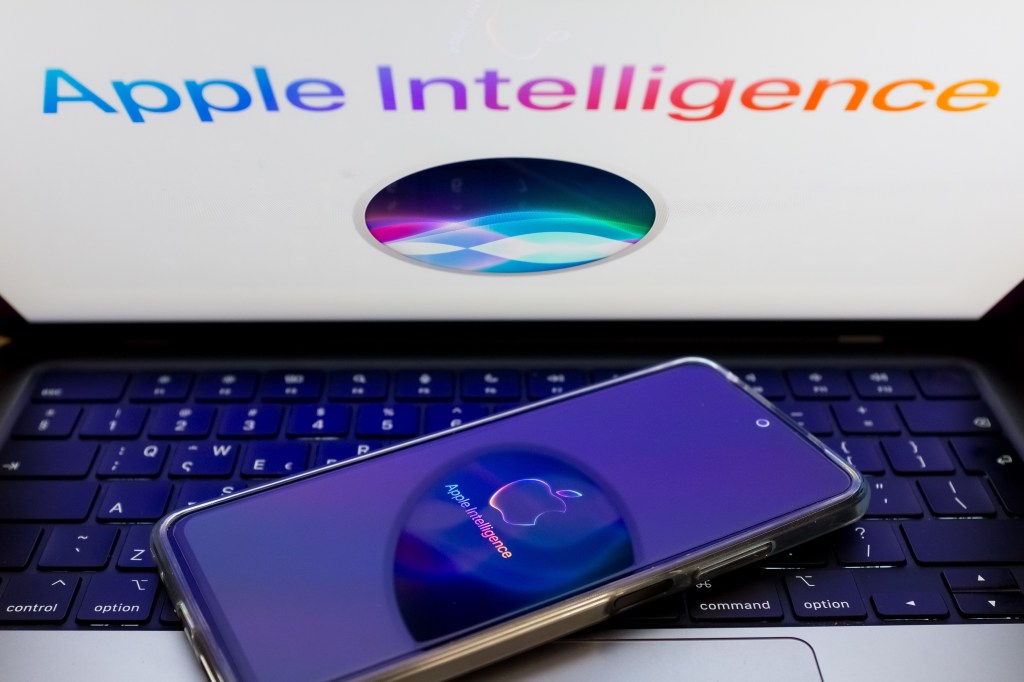
In a significant shift within the tech industry, Apple is reportedly planning to overhaul its virtual assistant, Siri, by integrating advanced artificial intelligence capabilities, effectively transforming it into a chatbot akin to OpenAI’s ChatGPT. This development, as reported by Bloomberg’s Mark Gurman, suggests that the revamped Siri will be a central feature of the upcoming iOS 27 and is expected to be a highlight at Apple’s Worldwide Developers Conference (WWDC) in June.
The Evolution of Siri: From Voice Assistant to AI Chatbot
Since its debut in 2011, Siri has been a pioneering voice assistant, setting the stage for voice-activated technology. However, as AI technology has rapidly advanced, Siri has faced criticism for lagging behind competitors in terms of functionality and adaptability. The proposed transformation into an AI chatbot represents Apple’s commitment to reclaiming its position at the forefront of AI innovation.
Project Campos: A New Era for Siri
Internally codenamed Campos, the new Siri is designed to handle both voice and text inputs, offering users a more versatile and interactive experience. This dual-input capability aims to cater to a broader range of user preferences and scenarios, enhancing Siri’s usability across various contexts.
A Shift in Apple’s AI Strategy
Historically, Apple has emphasized seamless integration of AI features within its ecosystem, aiming for intuitive user experiences without overt reliance on chatbot interfaces. Craig Federighi, Apple’s Senior Vice President of Software Engineering, previously expressed a preference for AI functionalities that are integrated so it’s there within reach whenever you need it. However, the success of AI chatbots like ChatGPT has prompted Apple to reconsider its approach, leading to the development of a more interactive and conversational Siri.
Competitive Pressures and Strategic Partnerships
The AI landscape is becoming increasingly competitive, with companies like OpenAI expanding their reach into hardware, led by former Apple design chief Jony Ive. This move underscores the urgency for Apple to enhance its AI offerings to maintain its competitive edge. In response, Apple has explored partnerships with various AI firms, ultimately selecting Google’s Gemini as its AI partner. This collaboration, confirmed earlier this month, signifies a strategic alignment aimed at bolstering Apple’s AI capabilities.
Challenges and Delays in Siri’s Evolution
Apple’s journey to revamp Siri has encountered several challenges. The company has faced multiple delays in rolling out a more personalized Siri, initially announced at WWDC 2024. These delays have been attributed to the complexities involved in integrating advanced AI features while maintaining the high standards of user privacy and data security that Apple is known for.
The Road Ahead: Anticipated Features and User Impact
The upcoming AI-powered Siri is expected to offer a range of enhanced features, including:
– Improved Contextual Understanding: Leveraging AI to comprehend and respond to user queries with greater accuracy and relevance.
– Seamless Integration Across Apple Devices: Ensuring a consistent and cohesive user experience across iPhones, iPads, Macs, and other Apple products.
– Expanded Language Support: Building on previous expansions, the new Siri aims to support a broader array of languages and dialects, catering to a global user base.
– Enhanced Personalization: Utilizing AI to tailor responses and suggestions based on individual user preferences and behaviors.
Industry Implications and User Expectations
Apple’s initiative to transform Siri into an AI chatbot reflects a broader trend in the tech industry towards more interactive and intelligent virtual assistants. This move is likely to set new standards for user engagement and functionality, prompting competitors to accelerate their own AI developments. For users, the evolution of Siri promises a more dynamic and responsive assistant, capable of handling complex tasks and providing more personalized assistance.
Conclusion
As Apple prepares to unveil the new AI-powered Siri at WWDC in June, anticipation is building among tech enthusiasts and consumers alike. This transformation represents a significant milestone in Apple’s AI journey, signaling a renewed commitment to innovation and user-centric design. By embracing advanced AI technologies and adapting to the evolving digital landscape, Apple aims to redefine the role of virtual assistants in our daily lives.