Article Title: Siri’s Evolution: Embracing Chatbot Capabilities in iOS 27
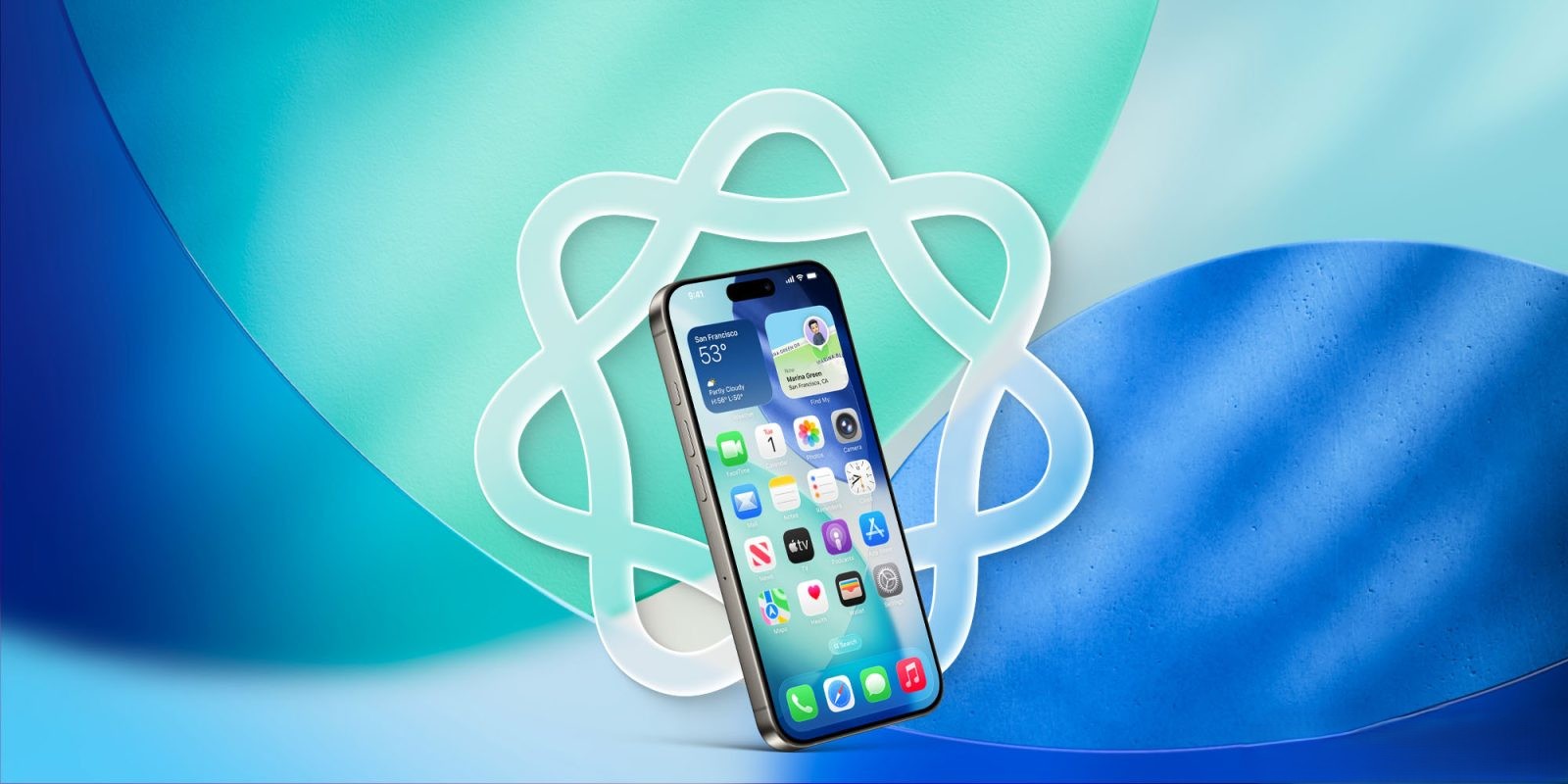
In a significant shift from its previous stance, Apple is reportedly transforming Siri into a chatbot-like assistant with the upcoming iOS 27 release. This development aims to position Siri as a formidable competitor to existing AI chatbots like ChatGPT.
Background and Development
Historically, Apple executives have downplayed the idea of Siri functioning as a chatbot. However, recent reports indicate a strategic pivot. According to Bloomberg, Apple is developing Siri into a comprehensive chatbot interface, leveraging advanced AI models trained with Google’s Gemini. This revamped Siri is expected to be unveiled at the Worldwide Developers Conference (WWDC) in 2026 and integrated into iOS 27, iPadOS 27, and macOS 27.
Internally, Apple is testing this chatbot functionality through a separate Siri application codenamed Campos. Unlike traditional chatbot applications, Apple plans to integrate these features directly into Siri’s existing interface, maintaining the familiar user experience while enhancing its capabilities.
Integration and User Experience
Despite the significant backend changes, the user interaction with Siri is anticipated to remain consistent. Users will continue to summon and interact with Siri as they have in the past. The primary enhancement lies in Siri’s ability to engage in more natural, context-aware conversations, retaining memory between interactions and providing more personalized responses.
Apple’s approach focuses on integrating generative AI across its operating systems, enabling features that operate seamlessly without users explicitly recognizing the underlying AI technology. This strategy aligns with statements from Apple’s Senior Vice President of Marketing, Greg Joswiak, emphasizing the goal of embedding AI functionalities to enhance user experience subtly.
Technical Enhancements and Privacy Considerations
The transformation of Siri into a chatbot involves several technical advancements:
– Memory and Contextual Understanding: Siri will be equipped with memory capabilities, allowing it to recall previous interactions and provide contextually relevant responses. This feature aims to make conversations more fluid and personalized.
– App Intents System: By leveraging the app intents system, Siri can access and interact with various functions and data points across the device, enabling more comprehensive assistance.
– Apple Foundation Models: The integration of Apple’s proprietary AI models, enhanced through training with Google’s Gemini, is expected to power the new Siri experience, offering unique functionalities tailored to Apple’s ecosystem.
Privacy remains a cornerstone of Apple’s design philosophy. The new Siri is designed to process data on-device whenever possible, ensuring user information remains private and secure. For tasks requiring cloud processing, Apple’s Private Cloud Compute servers will handle data with the same level of security and privacy as on-device processing. Additionally, these servers operate on renewable energy, aligning with Apple’s environmental commitments.
Implications and Future Outlook
The decision to evolve Siri into a chatbot reflects Apple’s recognition of the growing importance of conversational AI in enhancing user engagement and satisfaction. By integrating advanced AI capabilities, Apple aims to provide a more intuitive and responsive assistant that can handle complex queries and tasks.
However, the AI industry is rapidly evolving, with competitors continually introducing new features and improvements. Apple’s success in this endeavor will depend on its ability to deliver a reliable, secure, and user-friendly AI assistant that stands out in a crowded market.
As the anticipated release of iOS 27 approaches, users and industry observers alike will be keen to see how these enhancements materialize and how they compare to existing AI solutions. The integration of chatbot functionalities into Siri marks a significant milestone in Apple’s AI journey, potentially redefining how users interact with their devices.