In an era where the convergence of mobile and desktop computing is increasingly sought after, the NexPhone emerges as a device aiming to bridge this gap. Developed by the team behind the NexDock—a laptop shell that utilizes a smartphone’s computing power—the NexPhone aspires to be a singular device capable of replacing your smartphone, laptop, and desktop. However, while the concept is ambitious, the execution presents several challenges.
Design and Build
At first glance, the NexPhone resembles budget-friendly Android smartphones from the late 2010s. It features a gray, rubberized body with prominent bezels, measuring 13.1mm in thickness and weighing 256 grams. This design may not appeal to users accustomed to sleeker, more modern devices. Nonetheless, it boasts a 6.58-inch Full HD+ display with a 120Hz refresh rate, a 64MP Sony IMX787 primary camera sensor, and 12GB of RAM, which are commendable specifications.
Operating Systems and Functionality
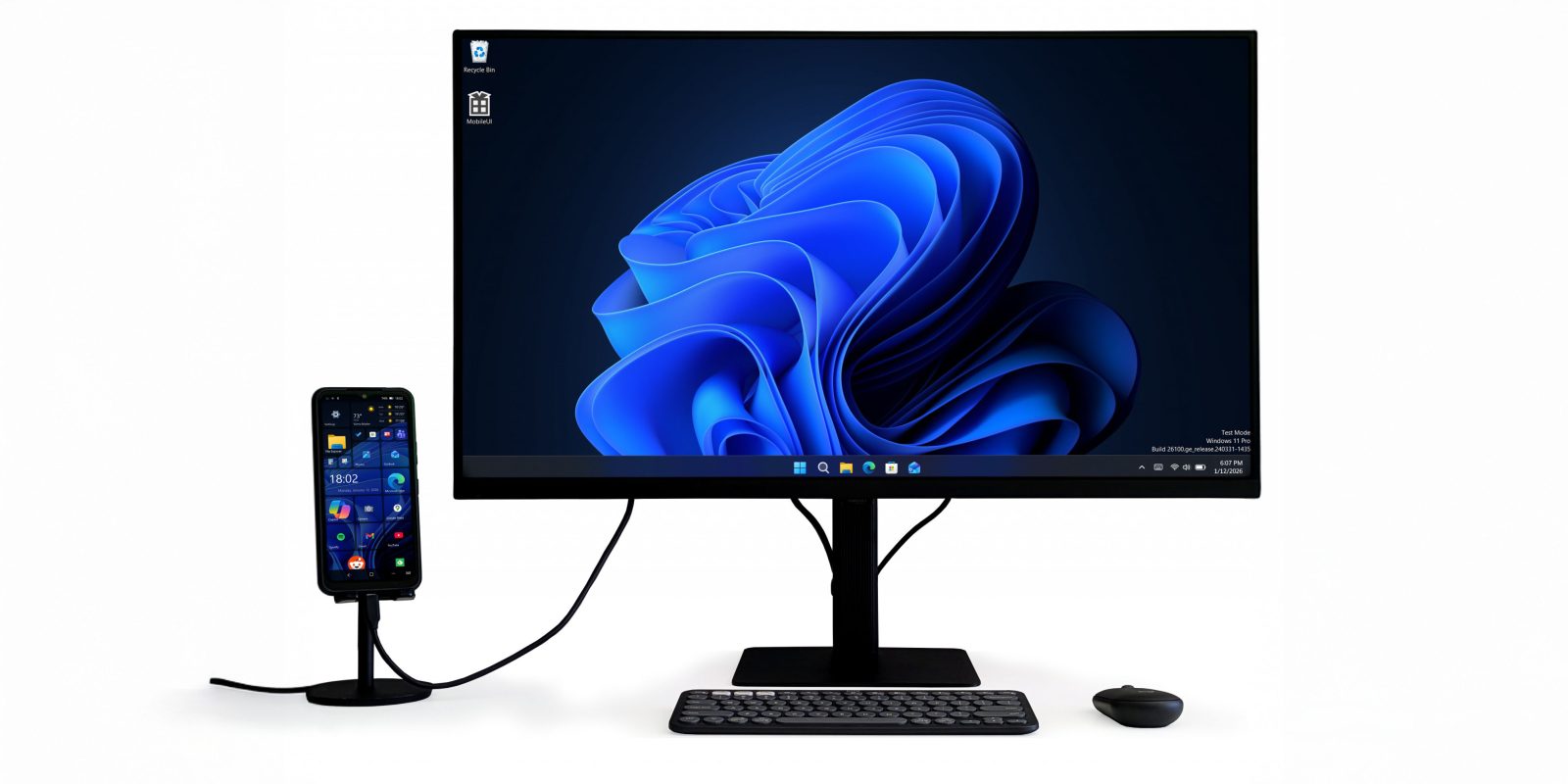
The standout feature of the NexPhone is its multi-boot capability. It comes pre-installed with Android 16 and includes Debian Linux. By connecting the device to a monitor, users can launch a full Linux desktop environment. Additionally, the NexPhone supports Windows 11, albeit requiring a reboot to switch operating systems. A custom Windows Phone-inspired user interface is available for mobile use, aiming to provide a cohesive experience across platforms.
Hardware Limitations
The primary concern with the NexPhone lies in its choice of processor. It utilizes Qualcomm’s QCM6490 SoC, an enterprise-grade chipset designed for IoT devices, which is a variant of the Snapdragon 780G—a mid-range chipset from late 2021. While this processor is supported by Qualcomm through 2036 and is listed by Microsoft as compatible with Windows 11, it may not deliver the performance expected for intensive Windows applications. Even with 12GB of RAM, users might experience sluggishness during demanding tasks.
Battery Life and Practicality
Running a full desktop operating system like Windows 11 on a smartphone form factor raises concerns about battery life. The NexPhone is equipped with a 5,000mAh battery, which may deplete rapidly under the strain of desktop applications. This could limit its practicality as a primary computing device, especially for users who require extended usage periods without frequent recharging.
Market Position and Pricing
The NexPhone is positioned as an affordable alternative to traditional computing devices, with an early reservation price of $549 and a $199 down payment. This pricing strategy may attract users interested in a unified device experience. However, the compromises in performance and design could deter those seeking a robust and seamless computing solution.
Conclusion
The NexPhone embodies an innovative concept of a single device serving multiple computing roles. While it offers versatility through its multi-boot functionality and commendable hardware specifications, the choice of processor and potential battery limitations may hinder its ability to deliver a satisfactory user experience, particularly for demanding applications. As technology continues to evolve, future iterations may address these shortcomings, bringing us closer to the ideal of a singular, all-encompassing computing device.