OpenAI is poised to unveil its inaugural hardware product in the latter half of 2026, marking a significant expansion beyond its established software and services. This development follows the company’s collaboration with renowned designer Jony Ive and the recent addition of former Apple engineer Janum Trivedi to the design team.
OpenAI’s Hardware Ambitions
During a session at Axios House in Davos, OpenAI’s Chief Global Affairs Officer, Chris Lehane, announced that the company is on track to introduce its first device in late 2026. While he refrained from confirming a retail launch within the year, Lehane emphasized that more details would be shared much later in the year. This cautious approach suggests that an official announcement is forthcoming, aligning with earlier industry projections that anticipated a commercial release closer to 2027.
Insights into the Upcoming Device
Specific details about the device’s form factor and features remain under wraps. However, OpenAI CEO Sam Altman has previously hinted at a product that offers a more peaceful experience compared to smartphones, suggesting a minimalist design. Reports indicate that the device may be compact, possibly screen-free, and heavily focused on audio interactions. This aligns with OpenAI’s recent efforts to enhance its audio models, hinting at an audio-centric user interface.
Collaboration with Jony Ive
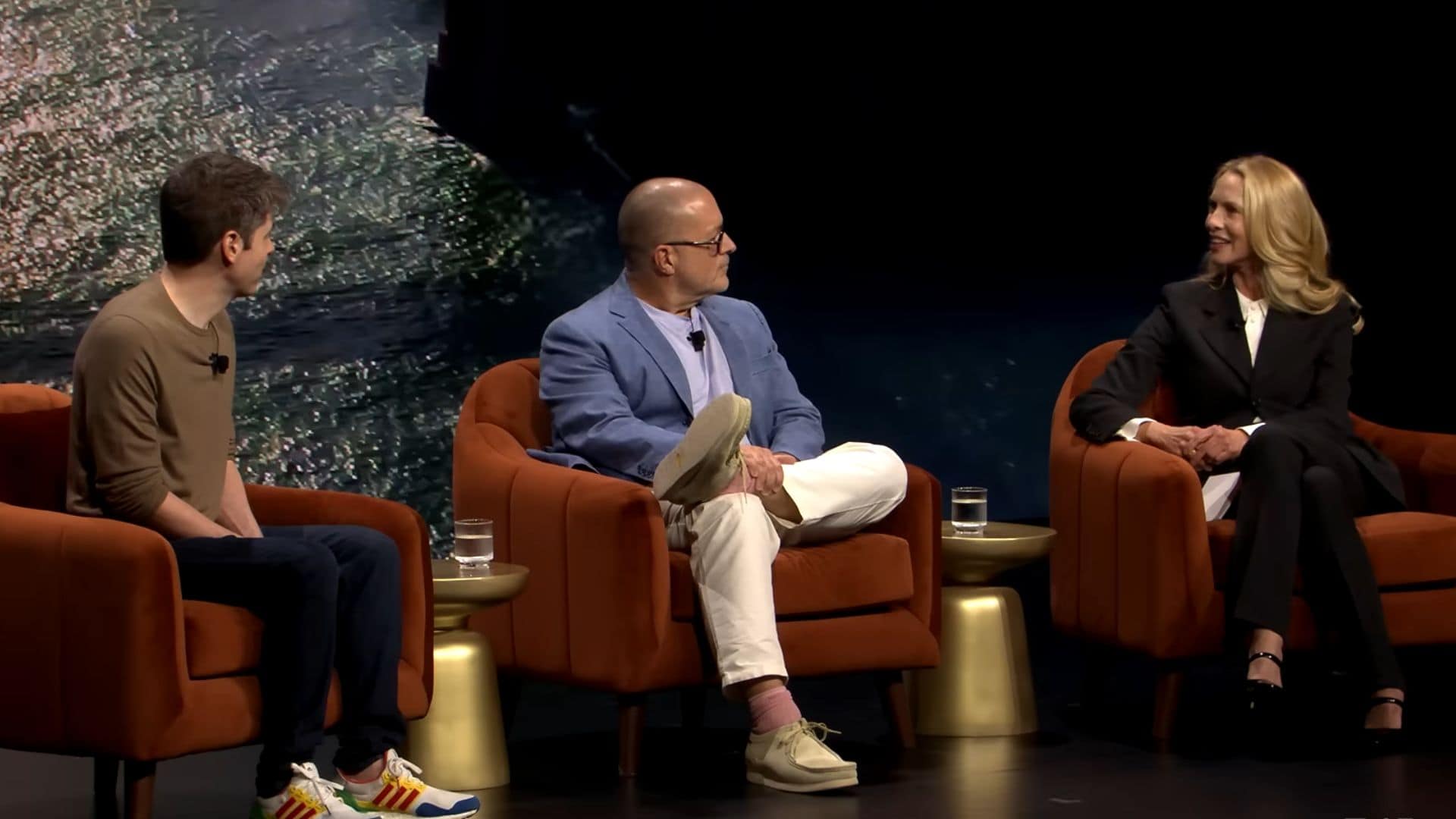
The hardware initiative traces back to May 2025, when OpenAI announced a partnership with Jony Ive and his design firm, LoveFrom. Ive’s startup, then known as io, teased a 2026 reveal, promising to share our work with you next year. Since then, development has progressed, with the partners confirming that a prototype has been built, even as the broader product family remains under wraps.
Strengthening the Design Team
Adding momentum to the project, engineer and interface designer Janum Trivedi has joined the OpenAI and LoveFrom design group to work on ‘io’ products. Trivedi previously worked on core system features at Apple, including Split View, multitasking drag and drop, and pointer gestures introduced with iPadOS 15. His expertise reinforces OpenAI’s intent to pair advanced AI models with strong interface design, rather than treating hardware as an afterthought.
Anticipation Builds
While many questions remain, the picture is gradually coming into focus. OpenAI is aiming for a 2026 unveiling, not a rushed launch. The design team is growing, prototypes exist, and the rest will come, as Lehane put it, much later in the year.