Critical Flaw in Azure Private Endpoint Deployments Exposes Resources to Potential DoS Attacks
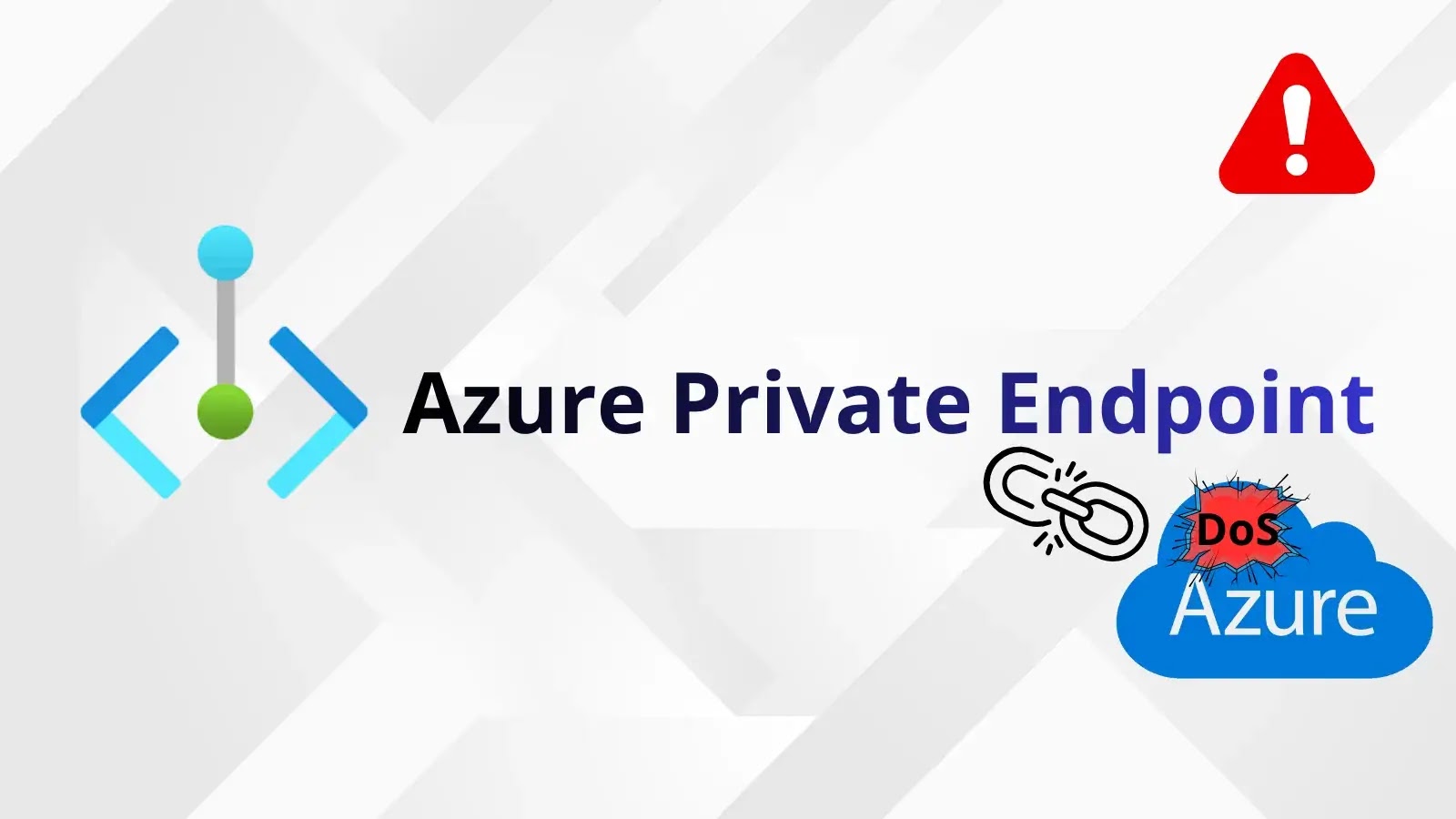
A significant architectural vulnerability has been identified in Microsoft Azure’s Private Endpoint implementation, potentially enabling denial-of-service (DoS) attacks against critical Azure resources. This flaw affects over 5% of Azure storage accounts, placing services such as Key Vault, CosmosDB, Azure Container Registry, Function Apps, and OpenAI accounts at risk of service disruptions.
Understanding the Vulnerability
The core issue arises from the way Azure Private Link manages Domain Name System (DNS) resolution when Private Endpoints are deployed across virtual networks (VNETs). When a Private Endpoint is established for a storage account in VNET2, Azure automatically generates a Private DNS zone linked to that virtual network. If this Private DNS zone is subsequently linked to another virtual network, say VNET1, Azure’s DNS resolution mechanism prioritizes the Private DNS zone for all storage name resolutions within VNET1.
However, if an A record for the storage account does not exist within the context of VNET1, DNS resolution fails. This failure leads to a denial-of-service condition where virtual machines in VNET1 cannot resolve the storage account’s hostname, despite the public endpoint remaining accessible and unchanged. The disruption occurs solely due to DNS resolution conflicts introduced by the Private Link configuration, without any alterations to the target resource itself.
Scenarios Leading to Exploitation
The vulnerability can manifest in several scenarios:
1. Accidental Internal Misconfiguration: Network administrators aiming to enhance security may deploy Private Endpoints without fully understanding the DNS implications, inadvertently creating resolution conflicts.
2. Third-Party Deployments: Security vendors might deploy Private Endpoints as part of their scanning solutions, unintentionally causing connectivity disruptions.
3. Malicious Exploitation: Threat actors with access to an Azure environment could deliberately deploy Private Endpoints to induce DoS conditions as an attack vector.
The repercussions extend beyond immediate connectivity loss. For instance, denying service to storage accounts can cause Azure Functions and subsequent application updates to fail. Similarly, DoS attacks targeting Key Vaults could disrupt all processes dependent on vault secrets, potentially halting critical business operations across organizations.
Mitigation Strategies
Upon reporting the issue, Microsoft acknowledged it as a known limitation and proposed two partial mitigations:
1. Fallback to Internet Option: This setting allows DNS resolution to revert to the public internet when no matching record exists in the Private DNS zone. However, this approach contradicts Private Link’s fundamental security principle of routing traffic through Azure’s backbone network rather than the public internet.
2. Manual DNS Record Management: Administrators can manually add DNS records for affected resources in Private DNS zones. While this method addresses the resolution issue, it introduces significant operational overhead, especially in large-scale production environments, and may not scale effectively.
Recommendations for Organizations
To safeguard against potential DoS attacks stemming from this vulnerability, organizations should:
– Conduct Comprehensive Audits: Utilize Azure Resource Graph Explorer queries to identify virtual networks linked to Private DNS zones and storage accounts permitting public endpoint access without Private Endpoint connections.
– Implement Robust DNS Management: Develop and enforce DNS management policies that account for the binary nature of Private Link configurations to prevent unintended connectivity issues.
– Educate Network Administrators: Provide training on the implications of deploying Private Endpoints and the associated DNS resolution behaviors to minimize accidental misconfigurations.
By proactively addressing these areas, organizations can mitigate the risks associated with this architectural flaw and ensure the resilience of their Azure-based services.