Microsoft’s Copilot+ PCs: A Genuine Leap or Just Marketing Hype?
Microsoft has recently introduced its Copilot+ PCs, claiming they surpass the performance of Apple’s MacBook Air equipped with the M4 chip. The company also asserts that these new machines offer significant enhancements in both performance and battery life compared to older Windows laptops. However, a closer examination of these claims reveals several ambiguities and raises questions about their validity.
Decoding the ‘Copilot+’ Branding
The term Copilot+ suggests an AI-centric device, but Microsoft has not provided a clear explanation of what differentiates a Copilot+ PC from its predecessors. According to the company, the Plus designation signifies superior hardware and enhanced performance, aiming to supercharge the capabilities of Windows 11. This description, however, appears to be more of a marketing strategy than a substantive technological advancement.
Performance Comparisons: A Closer Look
Microsoft frequently compares Copilot+ PCs to five-year-old Windows devices, stating that the new systems are up to five times faster. While this claim may be technically accurate due to advancements in processors, GPUs, and storage technologies, it primarily reflects the natural progression of hardware development rather than any specific innovations associated with the Copilot+ label or AI features.
Microsoft’s Performance Assertions
In a marketing document identified by WindowsLatest, Microsoft claimed that top-performing Copilot+ PCs outperform the MacBook Air with M4 and are up to five times faster than a five-year-old Windows PC. This document, published in December 2025, predates the release of newer Intel Panther Lake and Ryzen AI chips.
Microsoft supports this assertion with internal benchmarks conducted between June and September 2025, indicating that Copilot+ PCs achieve up to fivefold gains in Cinebench 2024 multi-core scores compared to an average five-year-old system. However, the company has not disclosed the complete results of these tests, leaving the claims unverified.
Additionally, Microsoft states that these machines are up to 3.7 times faster in AI tasks than earlier Windows 11 AI PCs. This improvement is attributed to the enhanced Neural Processing Unit (NPU) performance, which has increased from 15 TOPs in older AI PCs to approximately 40 TOPs in Copilot+ PCs.
Battery life is another area Microsoft emphasizes, claiming up to 19 hours of web browsing, 27 hours of local video playback, and 22 hours of streaming. When compared to older laptops, the company reports improvements of up to 4.4 times in certain scenarios.
Evaluating the MacBook Air Comparison
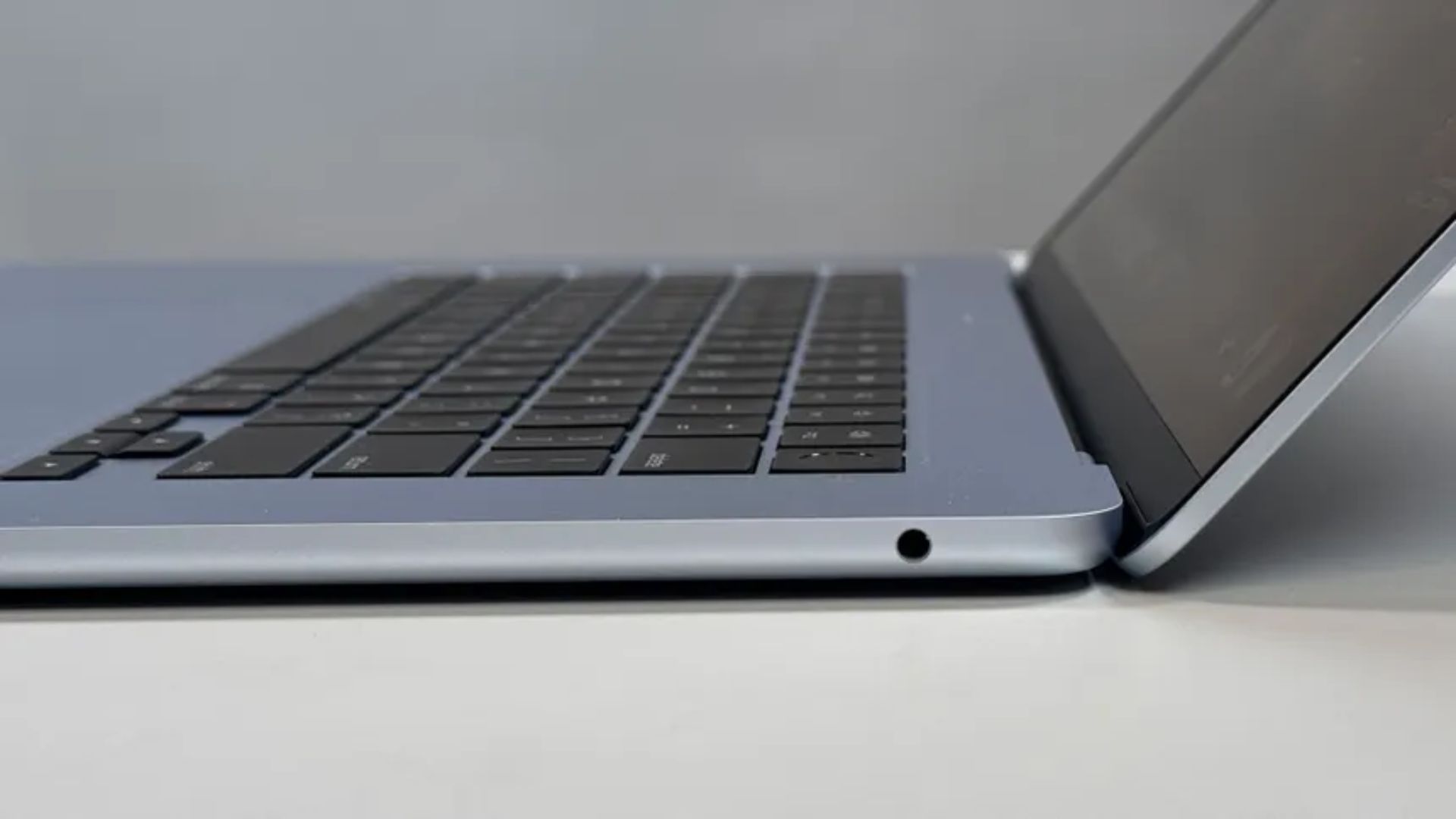
Microsoft asserts that top-performing Copilot+ PCs surpass the MacBook Air M4 in Cinebench 2024 multi-core tests. However, this statement lacks essential context, as Microsoft has not specified which models were tested, their configurations, or the methodologies used in the benchmarks. Without these details, the claim remains difficult to substantiate.
Furthermore, this comparison overlooks real-world factors such as energy efficiency, sustained performance, and software optimization—areas where Apple has traditionally excelled.
The Significance of the Copilot Key
Microsoft places considerable emphasis on the Copilot key, suggesting that this dedicated feature enhances productivity for students, office workers, and casual users. The company claims that the NPU facilitates smoother multitasking and quicker responses when utilizing Copilot features. For instance, students can summarize lengthy articles or convert notes into flashcards, professionals can draft emails during meetings, and everyday users can plan trips or manage tasks with a single key press.
The underlying message is clear: Microsoft views the Copilot key as central to the AI PC experience.
Final Thoughts
While Microsoft presents Copilot+ PCs as a significant advancement, many of its performance claims are based on comparisons with outdated hardware and lack transparency in benchmarking. Although these machines are indeed faster and more efficient, the Plus designation often appears to be more of a branding exercise than a clearly defined technological category.
The comparison with the MacBook Air M4 is attention-grabbing but lacks the detailed information necessary to make the claim convincingly.