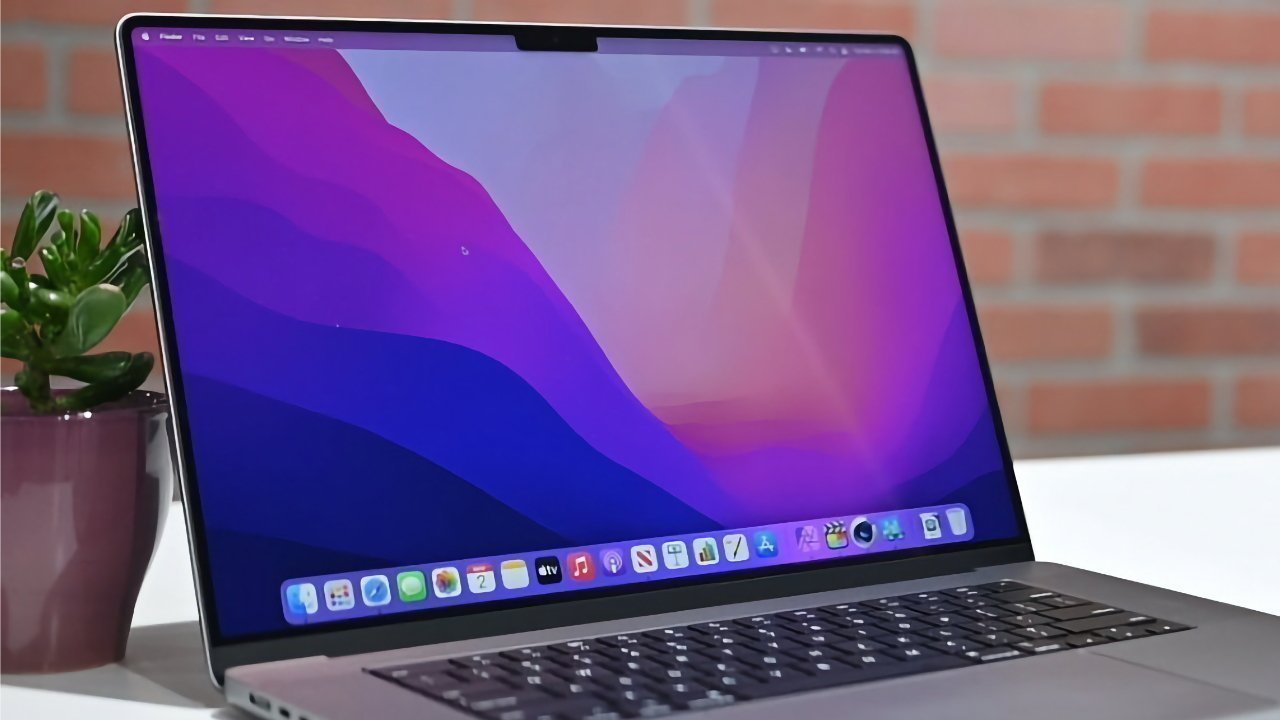
Decoding MacBook Pro Release Dates: Navigating Order Delays and Software Launches
Anticipation is building for Apple’s upcoming M5 Pro and M5 Max MacBook Pro models, expected to debut in early 2026. However, accurately predicting their exact release dates requires a nuanced understanding of various indicators, including order delays and software release schedules.
Understanding Order Delays
Historically, extended shipping times for existing MacBook Pro models have been interpreted as signals of impending new releases. For instance, in October 2021, preorders for the 14-inch and 16-inch MacBook Pros saw delivery estimates slip to late November and December, suggesting high demand and potential supply chain constraints. ([appleinsider.com](https://appleinsider.com/articles/21/10/25/macbook-pro-preorders-slip-to-late-november-december-ahead-of-release?utm_source=openai))
Similarly, in April 2010, customers who ordered custom-configured 15-inch MacBook Pros experienced unexpected delays, with shipments pushed back to early May. These delays were attributed to unforeseen production issues, highlighting the complexities of manufacturing and supply chain logistics. ([appleinsider.com](https://appleinsider.com/articles/10/04/23/unexpected_delays_slow_delivery_of_new_antiglare_macbook_pros_apple_says?utm_source=openai))
In the current context, reports indicate that some users attempting to purchase M4 Max MacBook Pro models are encountering shipping delays of up to two months. While such delays can hint at an upcoming product refresh, they are not definitive proof. Factors like component shortages, production challenges, and shifts in consumer demand can all contribute to extended delivery times.
The Role of Software Releases
Apple’s software release schedule can also offer clues about hardware launches. For example, the development of macOS versions often aligns with new hardware introductions. The upcoming macOS 26.3 is expected to support the M5 Pro and M5 Max MacBook Pros, suggesting a coordinated release timeline. ([forums.appleinsider.com](https://forums.appleinsider.com/discussion/242030?utm_source=openai))
However, it’s essential to approach these indicators with caution. While software updates can signal new hardware, they are not always synchronized. Delays in software development or unforeseen technical challenges can lead to discrepancies between software and hardware release schedules.
Balancing Speculation with Caution
While order delays and software releases can provide insights into potential product launches, they should not be the sole basis for predictions. Apple’s product release strategies are influenced by a myriad of factors, including supply chain dynamics, market conditions, and internal development timelines.
For instance, in October 2025, Apple indicated that no new Macs would be released for the remainder of the year, suggesting a strategic decision to focus on future product cycles. ([appleinsider.com](https://appleinsider.com/articles/25/10/30/apple-is-probably-done-releasing-macs-in-2025?utm_source=openai))
Therefore, while it’s tempting to read into every delay or software update as a harbinger of new hardware, it’s crucial to consider the broader context and recognize the complexities involved in product development and release planning.
Conclusion
Predicting the exact release dates of new MacBook Pro models is a challenging endeavor. While order delays and software releases can offer valuable insights, they are not infallible indicators. A comprehensive understanding of Apple’s product development processes, combined with a cautious interpretation of available data, is essential for making informed predictions.