Walmart’s Continued Resistance to Apple Pay: Unpacking the Reasons
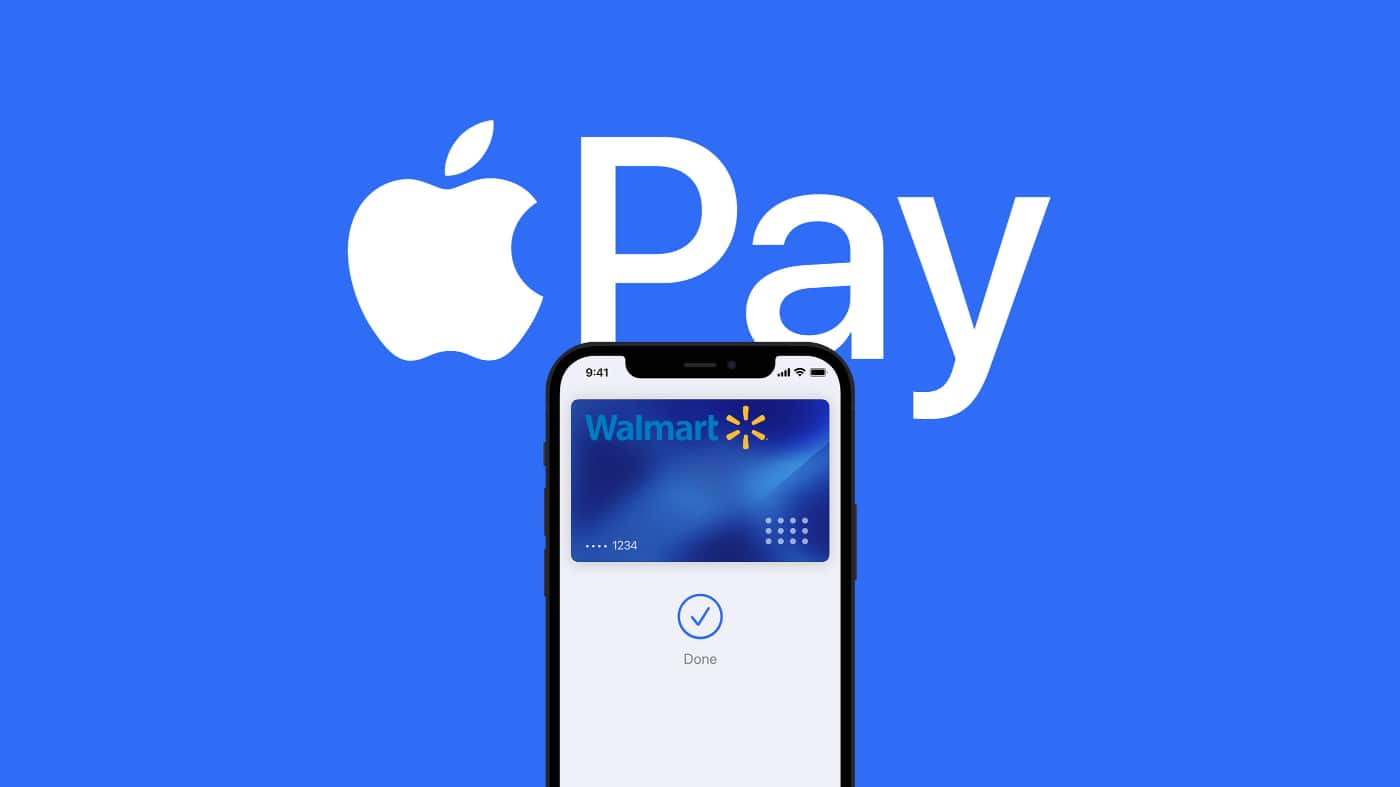
As of 2026, Walmart remains one of the few major U.S. retailers that does not accept Apple Pay, a decision that continues to spark discussions and frustration among consumers. This article explores the underlying reasons for Walmart’s steadfast refusal to adopt this widely-used contactless payment method.
Walmart’s Stance on NFC Payments
It’s important to note that Walmart’s rejection isn’t limited to Apple Pay alone. The retail giant does not accept any form of Near Field Communication (NFC) payments in its U.S. stores. This includes other popular platforms like Google Pay and Samsung Pay, as well as contactless payments made with physical cards. Interestingly, this policy is specific to the United States; many Walmart locations in Canada do accept Apple Pay.
Introduction of Walmart Pay
In 2016, Walmart introduced its proprietary mobile payment solution, Walmart Pay. Unlike NFC-based systems, Walmart Pay operates using QR codes. Customers must add their debit or credit card information to the Walmart app and scan a QR code at checkout to complete their purchase. This process is notably less streamlined compared to the simple tap-to-pay functionality offered by Apple Pay.
Scan and Go Feature
Walmart has also developed the Scan and Go feature, available to Walmart+ subscribers. This service allows customers to scan items as they shop and finalize their purchase at self-checkout stations without rescanning each item. However, similar to Walmart Pay, Scan and Go does not support Apple Pay, maintaining the retailer’s consistent exclusion of NFC payment options.
Emphasis on Data Collection
A significant factor in Walmart’s reluctance to adopt Apple Pay is its focus on data collection. By encouraging the use of Walmart Pay and Scan and Go, the company can gather detailed information on customer purchasing behaviors. This data is invaluable for targeted advertising and marketing strategies. In contrast, Apple Pay prioritizes user privacy by not sharing actual card details with retailers, making it more challenging for Walmart to collect such data.
Misconceptions About Transaction Fees
Some speculate that Walmart avoids Apple Pay to circumvent additional transaction fees. However, this is a misconception. Accepting Apple Pay does not incur extra costs for businesses beyond standard card processing fees. These fees remain consistent regardless of whether a transaction is contactless or not. Apple typically charges fees to issuing banks, not to retailers.
Walmart’s Official Position
In a statement from the previous year, Walmart highlighted its commitment to its own payment solutions:
> We do not accept NFC and instead have implemented convenient solutions, such as Walmart Pay, that provide our customers easy, touchless payments on any smartphone. We have also invested in innovative technologies that go beyond payments, such as Scan & Go, which allow Sam’s Club and Walmart+ members to bypass the checkout altogether, providing a truly touchless shopping experience.
Industry Trends and Consumer Reactions
Over the years, several major retailers that previously resisted Apple Pay have reversed their stance. For instance, Kroger, the largest supermarket chain in the U.S., began rolling out Apple Pay support in April 2023. Similarly, Lowe’s, the second-largest hardware chain, started accepting Apple Pay in December 2023. Despite these shifts, Walmart continues to resist, a decision that has led to growing frustration among its customers.
Social media platforms are rife with complaints from shoppers who find the lack of Apple Pay support inconvenient. Many express a preference for retailers that offer more flexible payment options, indicating that Walmart’s policy may be influencing consumer choices.
Conclusion
Walmart’s ongoing refusal to accept Apple Pay is rooted in its commitment to proprietary payment systems and the strategic value of customer data collection. While this approach aligns with the company’s internal objectives, it continues to be a point of contention for consumers who favor the convenience and privacy features of Apple Pay. As the retail landscape evolves and more competitors embrace diverse payment methods, it remains to be seen whether Walmart will reconsider its position in response to consumer demand.