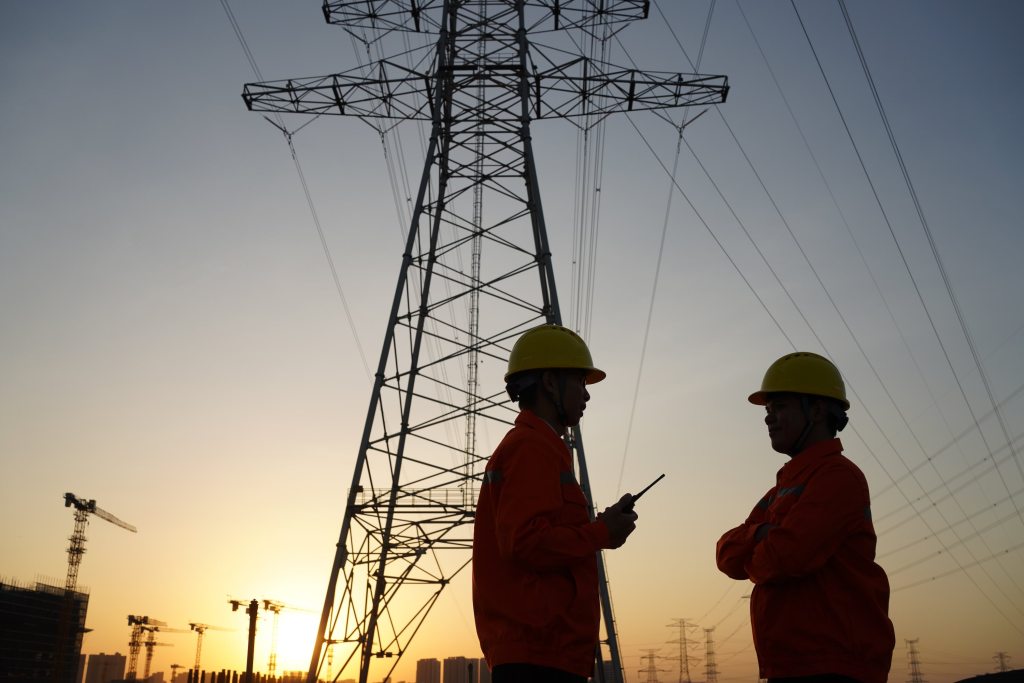
Trump Administration Urges Tech Giants to Invest $15 Billion in Power Plants Amid Surging Data Center Demand
In a bold move to address the escalating energy demands of the digital era, the Trump administration has proposed that leading technology companies invest $15 billion in new power generation facilities. This initiative aims to bolster the capacity of PJM Interconnection, the nation’s largest electricity grid operator, which serves over 65 million residents across 13 states in the Mid-Atlantic and Midwest regions.
The Proposal’s Core
The administration, in collaboration with several state governors, is advocating for PJM to conduct an auction for 15-year contracts dedicated to new power generation capacity. Tech companies are encouraged to participate in these contracts, even if the immediate need for such power isn’t apparent for their data centers. This strategy is rooted in projections indicating that data center energy consumption is set to nearly triple over the next decade, primarily due to the rapid expansion of artificial intelligence (AI) and cloud computing services.
PJM’s Position
PJM Interconnection has acknowledged the administration’s statement of principles and is currently evaluating the proposal. The organization plans to release findings from an extensive planning process aimed at enhancing grid capacity. However, PJM has expressed reservations about the administration’s approach. Spokesperson Jeffrey Shields remarked, We don’t have a lot to say on this. We were not invited to the event they are apparently having tomorrow and we will not be there.
Rising Energy Demands and Costs
The past decade has seen PJM’s peak load increase by 10%, with an additional 6.5% rise anticipated by 2027. This surge is largely attributed to the exponential growth of data centers, which are integral to AI and cloud computing operations. Consequently, electricity rates in the region experienced a 10% to 15% uptick in 2025 compared to the previous year. Monitoring Analytics, PJM’s independent monitor, attributes approximately 60% of these price hikes to soaring fossil fuel costs, particularly natural gas, upon which PJM heavily relies.
Challenges in Expanding Power Infrastructure
The push to construct new fossil fuel power plants presents significant challenges. Such projects demand substantial financial investments and extended timelines, often spanning several years. Utilities and power providers are cautious about committing to these ventures, especially given the unpredictable trajectory of the AI boom. There’s a palpable concern that if the demand diminishes, they could be left with underutilized, unprofitable facilities designed for long-term operation.
Tech Industry’s Shift Towards Renewable Energy
In response to these challenges, technology companies have been increasingly gravitating towards renewable energy sources. Solar power, in particular, has emerged as a preferred choice due to its cost-effectiveness, modular nature, and relatively swift deployment capabilities. For instance, Meta recently procured nearly 1 gigawatt of solar power through three agreements, bringing its total solar acquisitions to over 3 gigawatts within the year. These solar projects are anticipated to be operational by 2027, aligning with the construction timelines of data centers and allowing companies to manage risks more effectively.
Nuclear Energy: A Viable Alternative
Beyond renewables, tech giants are also exploring nuclear energy as a sustainable solution to their growing power needs. Amazon, for example, has secured 1.92 gigawatts of electricity from Talen Energy’s Susquehanna nuclear power plant in Pennsylvania to power its AWS cloud and AI servers. Similarly, Meta has entered into agreements to purchase all the clean energy attributes of Constellation Energy’s Clinton Clean Energy Center, a 1.1-gigawatt nuclear facility in Illinois, ensuring its operation through 2047.
Government Initiatives and Investments
The federal government has been proactive in supporting the expansion of nuclear energy. The Department of Energy recently awarded $800 million in grants to facilitate the construction of small modular reactors. The Tennessee Valley Authority and Holtec each received $400 million to build 300-megawatt reactors in Tennessee and Michigan, respectively. These reactors, based on Generation III+ designs, aim to reduce costs through mass production and standardized construction processes.
Conclusion
The Trump administration’s proposal underscores the critical intersection of technology and energy infrastructure. As data centers continue to proliferate, driven by advancements in AI and cloud computing, the demand for reliable and sustainable power sources becomes increasingly pressing. While the administration advocates for tech companies to invest in traditional power generation, the industry appears to be charting a course towards renewable and nuclear energy solutions. This evolving landscape highlights the complexities of balancing rapid technological growth with sustainable energy practices.