Hacker Exposes Sensitive Government Data on Instagram: A Deep Dive into the Breach
In a startling revelation, Nicholas Moore, a 24-year-old from Springfield, Tennessee, has admitted to infiltrating multiple U.S. government systems and disseminating sensitive personal data on his Instagram account, @ihackthegovernment. This case underscores the escalating threats posed by cybercriminals targeting governmental institutions and the imperative for robust cybersecurity measures.
The Breach Unveiled
Moore’s cyber intrusions were not limited to a single agency. He successfully accessed:
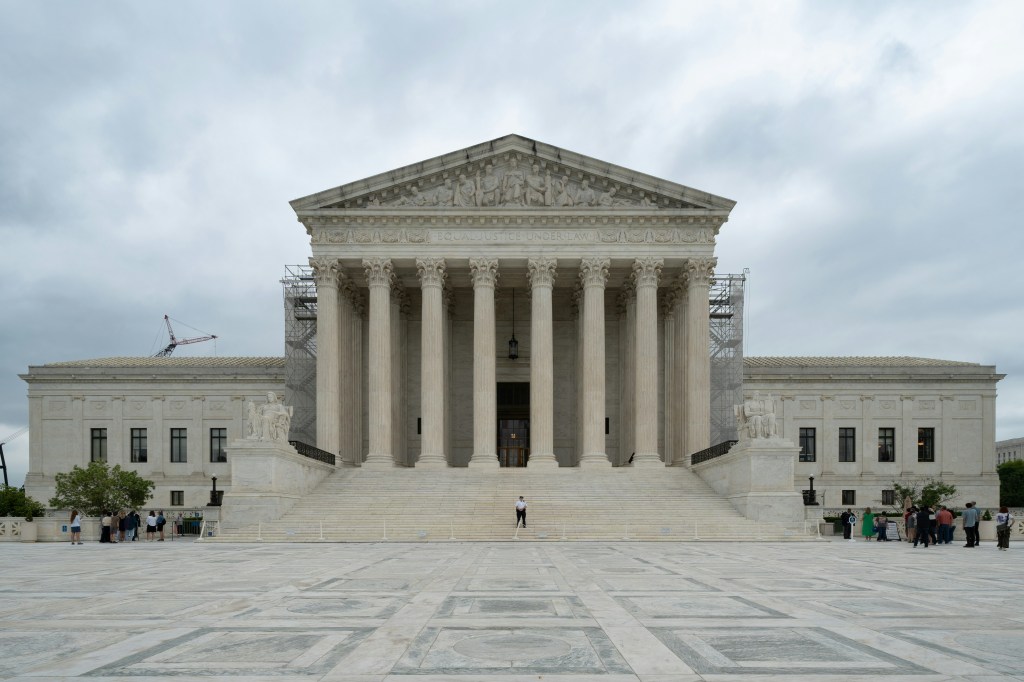
– U.S. Supreme Court’s Electronic Document Filing System: Moore exploited stolen credentials to penetrate the Supreme Court’s electronic filing system. He then posted the name and both current and past electronic filing records of an individual, identified as GS, on his Instagram account.
– AmeriCorps Network: AmeriCorps, a federal agency overseeing volunteer programs, was also compromised. Moore accessed the account of an individual referred to as SM, revealing a trove of personal information, including:
– Full name
– Date of birth
– Email and home addresses
– Phone number
– Citizenship and veteran status
– Service history
– Last four digits of the Social Security number
This data was subsequently shared on his Instagram platform.
– Department of Veterans Affairs (VA) Systems: Moore’s unauthorized access extended to the VA, where he infiltrated the MyHealtheVet account of an individual known as HW. He captured and disseminated a screenshot detailing HW’s prescribed medications, thereby exposing sensitive health information.
The Modus Operandi
Moore’s strategy involved acquiring and utilizing stolen credentials to gain unauthorized access to these systems. Once inside, he extracted personal and sensitive data, which he then showcased on his Instagram account, seemingly to flaunt his hacking prowess.
Legal Repercussions
Following his guilty plea, Moore faces severe legal consequences. The court documents indicate a potential maximum sentence of one year in prison and a fine up to $100,000. This case serves as a stark reminder of the legal ramifications awaiting those who engage in unauthorized access and dissemination of protected information.
Broader Implications
This incident is not isolated. Government agencies have increasingly become prime targets for cyberattacks. For instance, in 2025, the United Nations’ aviation agency confirmed a breach where a hacker accessed thousands of records from its recruitment database. Similarly, in 2019, a hacker leaked personal data of German Chancellor Angela Merkel and hundreds of German lawmakers. These events highlight the persistent vulnerabilities within governmental digital infrastructures.
The Role of Social Media in Cybercrime
Moore’s choice to publicize his exploits on Instagram underscores a troubling trend where cybercriminals leverage social media platforms to boast about their illegal activities. This not only amplifies the reach of the exposed data but also poses challenges for law enforcement in tracking and mitigating such breaches.
Enhancing Cybersecurity Measures
The Moore case underscores the critical need for government agencies to bolster their cybersecurity frameworks. Key measures include:
– Regular Security Audits: Conducting comprehensive assessments to identify and rectify vulnerabilities.
– Multi-Factor Authentication (MFA): Implementing MFA can add an extra layer of security, making unauthorized access more challenging.
– Employee Training: Educating staff about phishing attacks and the importance of safeguarding login credentials.
– Incident Response Plans: Developing and regularly updating protocols to swiftly address and mitigate breaches.
Conclusion
Nicholas Moore’s unauthorized access and subsequent dissemination of sensitive government data serve as a wake-up call for all institutions handling confidential information. It emphasizes the necessity for continuous vigilance, advanced security protocols, and a proactive approach to cybersecurity to protect against evolving threats.