Chai Discovery’s Meteoric Rise: From OpenAI Roots to a Landmark Eli Lilly Partnership
The journey of drug discovery, traditionally marked by prolonged timelines and substantial costs, is undergoing a transformative shift with the integration of artificial intelligence (AI). Emerging at the forefront of this revolution is Chai Discovery, an AI-driven biotech startup that, within a mere two years since its inception in 2024, has ascended to prominence in the pharmaceutical industry.
Founding and Early Development
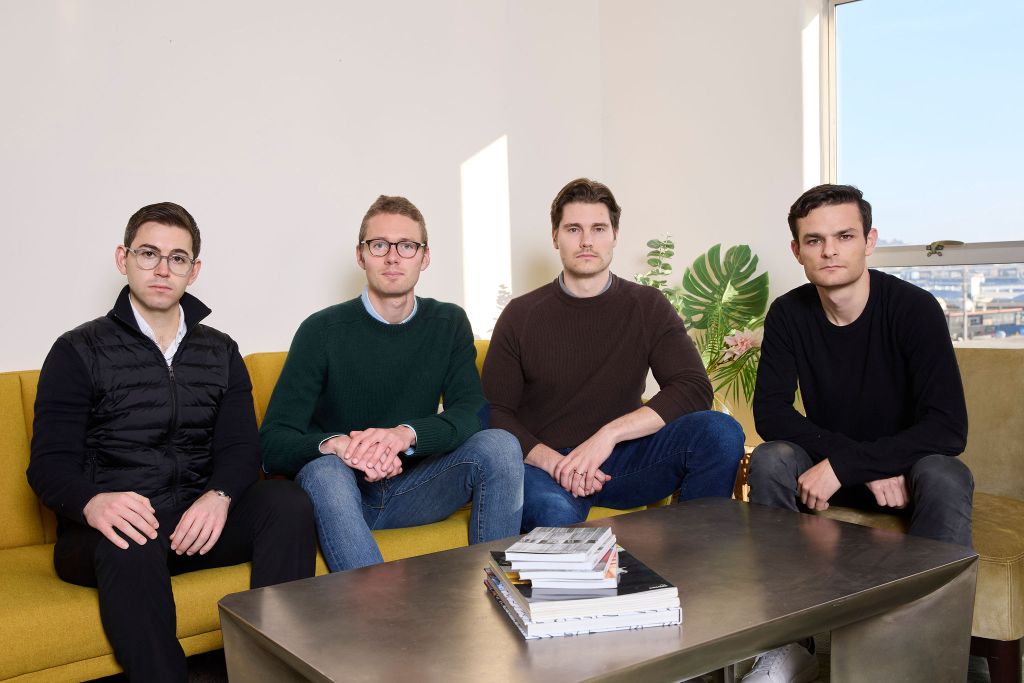
Chai Discovery’s genesis can be traced back to the collaborative vision of co-founders Josh Meier and Jack Dent. Their professional paths first intersected during their computer science studies at Harvard University. Post-graduation, Meier contributed to OpenAI’s research and engineering team in 2018, while Dent honed his skills as an engineer at Stripe. Their shared passion for AI and its potential applications in biotechnology laid the groundwork for what would become Chai Discovery.
In 2024, recognizing the maturation of AI technologies suitable for drug discovery, Meier and Dent reconnected with OpenAI CEO Sam Altman, who had previously expressed interest in supporting a proteomics-focused venture. With Altman’s backing, Chai Discovery was established, initially operating out of OpenAI’s San Francisco offices. This strategic alliance provided the fledgling startup with invaluable resources and insights, setting the stage for rapid growth.
Rapid Growth and Financial Milestones
Chai Discovery’s innovative approach quickly attracted significant attention from the investment community. In December 2025, the company successfully closed a Series B funding round, securing $130 million and achieving a valuation of $1.3 billion. This round was led by General Catalyst and Oak HC/FT, with participation from notable investors such as Menlo Ventures, OpenAI, Dimension, Thrive Capital, Neo, Yosemite venture fund, Lachy Groom, SV Angel, Glade Brook, and Emerson Collective. This infusion of capital elevated Chai Discovery to unicorn status and underscored the confidence investors have in its AI-driven drug discovery platform.
Strategic Partnership with Eli Lilly
A pivotal moment in Chai Discovery’s trajectory occurred in January 2026 when the company announced a strategic partnership with pharmaceutical giant Eli Lilly. This collaboration centers on integrating Chai’s proprietary AI algorithm, Chai-2, into Eli Lilly’s drug development processes. Chai-2 is engineered to design novel antibodies, essential proteins that play a critical role in combating diseases. By serving as a computer-aided design suite for molecular structures, Chai-2 aims to streamline and enhance the efficiency of antibody development.
Aliza Apple, head of Lilly’s TuneLab program, which focuses on leveraging AI and machine learning for drug discovery, expressed optimism about the partnership’s potential. She stated, By combining Chai’s generative design models with Lilly’s deep biologics expertise and proprietary data, we intend to push the frontier of how AI can design better molecules from the outset, with the ultimate goal to help accelerate the development of innovative medicines for patients.
Industry Context and Competitive Landscape
Chai Discovery’s collaboration with Eli Lilly is emblematic of a broader industry trend where pharmaceutical companies are increasingly embracing AI to expedite drug discovery. Shortly after announcing the partnership with Chai, Eli Lilly revealed a $1 billion collaboration with Nvidia to establish an AI-driven drug discovery lab in San Francisco. This co-innovation lab aims to harness big data, advanced computing resources, and scientific expertise to accelerate the development of new medicines.
Despite the enthusiasm surrounding AI’s potential in drug development, some industry veterans remain skeptical about its transformative impact. They argue that the inherent complexities and challenges of traditional drug development may not be easily overcome by AI technologies. However, proponents like Elena Viboch, managing director at General Catalyst and a major backer of Chai Discovery, are confident in the efficacy of AI-driven approaches. Viboch remarked, We believe the biopharma companies that move the most quickly to partner with companies like Chai will be the first to get molecules into the clinic and will make medicines that matter. In practice, that means partnering in 2026 and by the end of 2027 seeing first-in-class medicines enter into clinical trials.
Technological Innovations and Future Prospects
At the heart of Chai Discovery’s platform is Chai-2, an advanced AI model designed to predict interactions between biochemical molecules, thereby facilitating the design of custom antibodies from scratch. This de novo approach represents a significant departure from traditional methods that often involve modifying existing molecules. By leveraging Chai-2, researchers can potentially identify and develop therapeutic candidates more efficiently, reducing both time and costs associated with drug discovery.
The success of Chai Discovery underscores a broader movement within the biotech industry toward integrating AI into research and development workflows. Companies like Isomorphic Labs, a spinout from Google’s DeepMind, have also secured substantial funding and partnerships to advance AI-driven drug discovery. In March 2025, Isomorphic Labs raised $600 million from Thrive Capital to further develop its AI drug design engine and support its goal of bringing discovered drugs to clinical trials.
Conclusion
Chai Discovery’s rapid ascent from a nascent startup operating out of OpenAI’s offices to a key player in AI-driven drug development exemplifies the transformative potential of integrating artificial intelligence into biotechnology. With substantial financial backing, strategic partnerships, and a commitment to innovation, Chai Discovery is poised to make significant contributions to the future of medicine. As the industry continues to evolve, the success of companies like Chai Discovery may well redefine the paradigms of drug discovery and development.