ChatGPT Introduces Prominent Ads in User Interactions
OpenAI has announced the integration of advertisements into ChatGPT, marking a significant shift in the user experience of the AI chatbot. This development introduces ads that are notably prominent within user interactions.
Introduction of Ads in ChatGPT
In a move that aligns with the broader internet’s reliance on advertising, OpenAI has begun incorporating ads into ChatGPT. This change affects both free users and subscribers of the new $8 per month Go plan. The Go plan offers users ten times more messages, file uploads, and image creation capabilities than the free tier, along with enhanced memory features. Notably, the higher-tier ChatGPT Plus subscription, priced at $20 per month, remains ad-free.
Implementation and User Experience
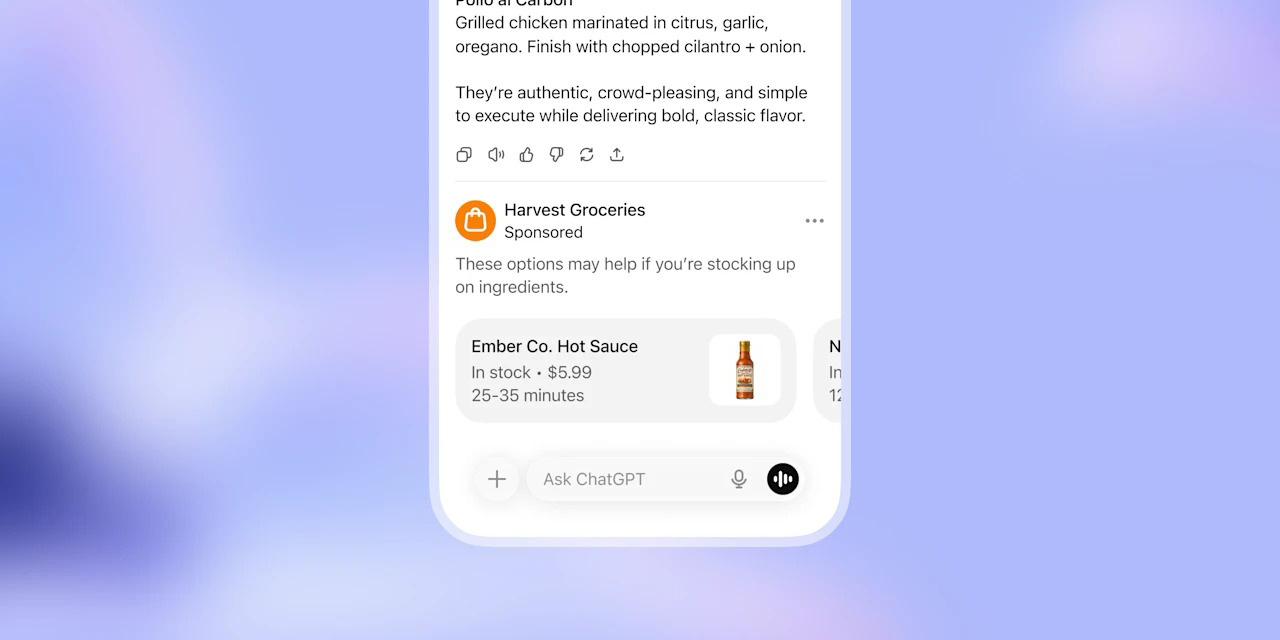
The rollout of ads is currently in a testing phase within the United States. These ads appear at the bottom of ChatGPT’s responses when a relevant sponsored product or service aligns with the user’s conversation. For instance, a query about authentic Mexican dishes might be followed by an ad for a grocery delivery service featuring hot sauce. Similarly, inquiries about travel destinations could prompt ads for lodging options in the specified city, with an option to engage directly with the sponsor for more information.
User Reactions and Screen Real Estate
The introduction of ads has elicited mixed reactions from users. Some have expressed concerns over the substantial screen space occupied by these advertisements, which can detract from the primary content. The prominence of these ads has sparked discussions about the balance between monetization and user experience within AI-driven platforms.
OpenAI’s Perspective on Advertising
OpenAI emphasizes that well-crafted ads can be beneficial, entertaining, and assist users in discovering new products and services. The company is optimistic about developing ad experiences that are more helpful and relevant than traditional advertising methods. The conversational nature of AI interfaces presents opportunities for dynamic interactions, such as users engaging directly with ads to ask questions and make informed decisions.
Content Restrictions and User Safety
To maintain user trust and safety, OpenAI has implemented strict guidelines regarding ad content. Advertisements related to sensitive or regulated topics, including health, mental health, and politics, are prohibited. Additionally, ads are not displayed to users under the age of 18, ensuring a responsible approach to content delivery.
Comparative Landscape: Google’s Approach
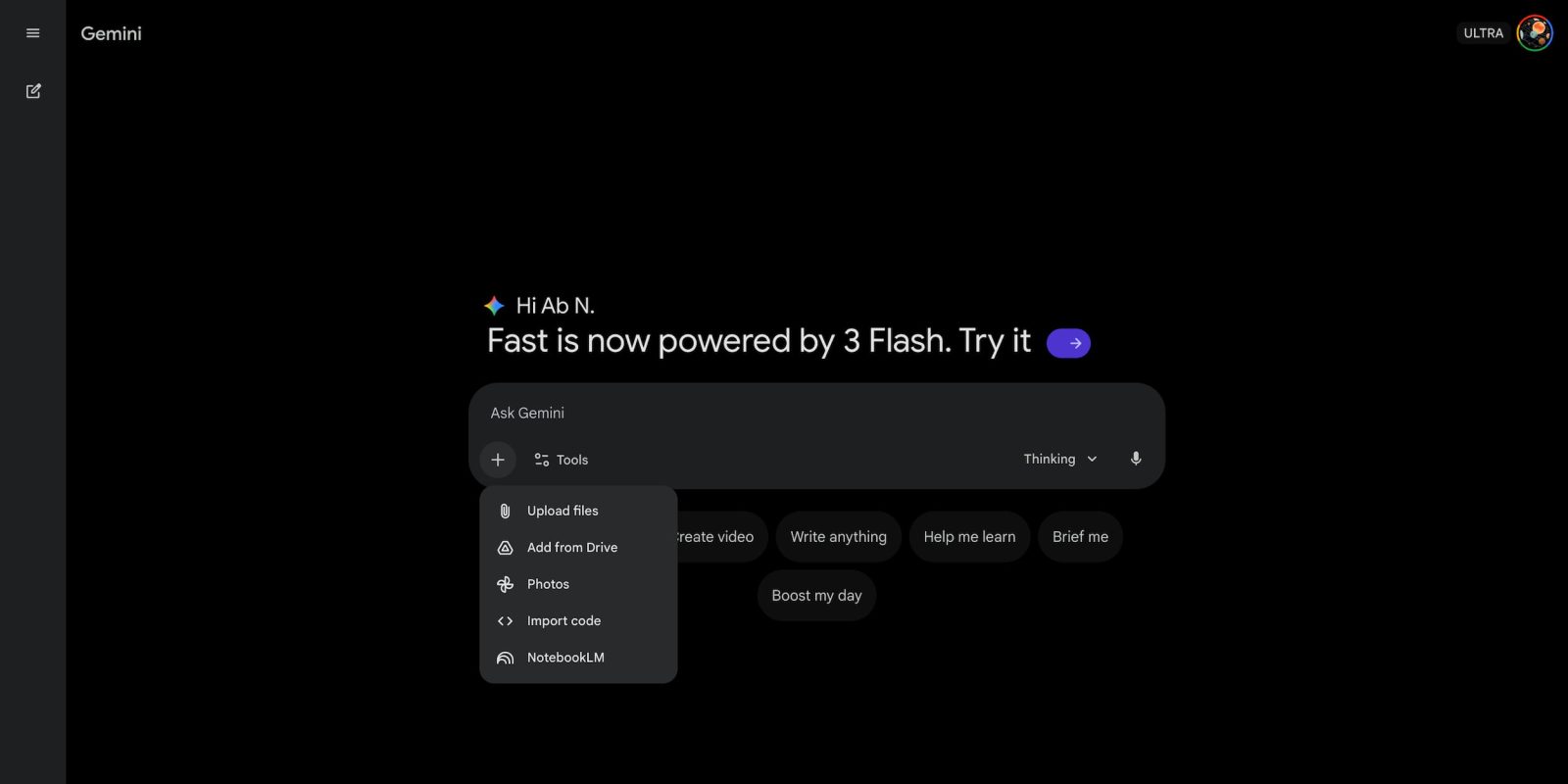
In contrast to OpenAI’s strategy, Google has stated that there are no current plans to introduce ads into its Gemini chatbot experience. This decision highlights differing approaches among AI developers regarding monetization and user engagement strategies.
Conclusion
The integration of ads into ChatGPT signifies a pivotal moment in the evolution of AI chatbots, reflecting broader trends in digital monetization. As OpenAI navigates this new terrain, the company faces the challenge of balancing revenue generation with maintaining a seamless and user-friendly experience. The ongoing testing phase will likely provide valuable insights into user acceptance and the overall impact of ads within AI-driven conversations.