Iran’s Internet Blackout Amidst Ongoing Protests: A Deep Dive into the Nation’s Longest Shutdown
As of January 15, 2026, Iran has enforced a nationwide internet blackout lasting over 170 hours, marking one of the most extensive shutdowns in the country’s history. This action, initiated on January 8, 2026, has left approximately 92 million citizens without internet access, severely impacting communication and information flow.
Background of the Shutdown
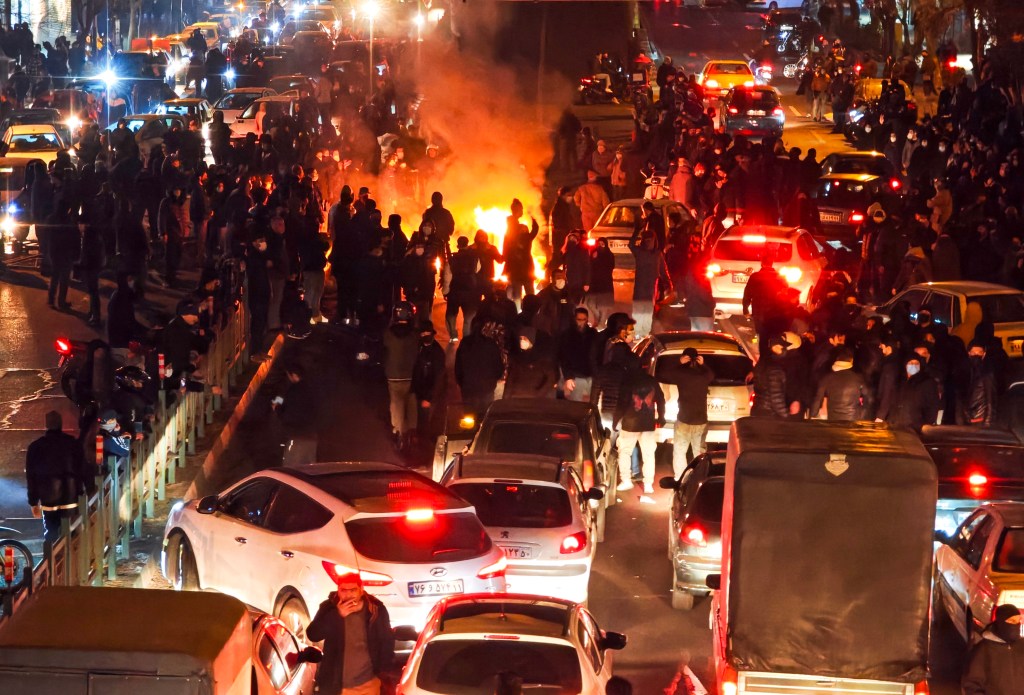
The Iranian government’s decision to sever internet and phone services was a direct response to widespread anti-government demonstrations that erupted in late 2025. These protests, fueled by economic grievances and political dissatisfaction, have been met with a stringent and often violent crackdown by authorities. Reports indicate that over 600 protests have occurred across various cities, with estimates suggesting that the government’s response has resulted in at least 2,000 fatalities.
Comparative Analysis of Internet Shutdowns
This current blackout surpasses previous instances in Iran, including a 163-hour shutdown in 2019 and a 160-hour disruption in 2025. Globally, it ranks as the third longest, following Sudan’s 35-day shutdown in mid-2021 and Mauritania’s 22-day outage in July 2024. Isik Mater, director of research at NetBlocks, a web monitoring organization, highlighted the severity of Iran’s actions, noting that these shutdowns are among the most comprehensive and strictly enforced worldwide.
Government’s Justification and Actions
The Iranian authorities have a history of implementing internet blackouts during periods of civil unrest, aiming to control the dissemination of information and hinder the organization of protests. The suddenness of the January 8 shutdown was notable, even affecting government institutions such as the foreign ministry. Subsequently, limited access was restored to certain government departments and sectors of the economy, including banking services and gas station payment systems.
Circumvention Efforts and International Response
In response to the blackout, some Iranians have turned to alternative means of accessing the internet. Notably, Starlink terminals have been smuggled into the country, providing limited connectivity. In 2022, the U.S. government adjusted its sanctions to support internet freedom in Iran, facilitating the operation of services like Starlink. However, Iranian authorities have since criminalized the possession of Starlink equipment, employing measures such as jamming signals and confiscating devices to curb their use.
Internationally, the situation has prompted significant concern. U.S. President Donald Trump has issued warnings of potential military intervention should the Iranian government continue its violent suppression of protests. Concurrently, the U.S. military has repositioned assets, including redirecting a naval strike group to the Middle East. The United Kingdom has also taken precautionary steps by closing its embassy in Tehran and evacuating staff.
Implications and Future Outlook
The prolonged internet shutdown in Iran underscores the government’s determination to control information and suppress dissent. Such actions not only isolate the nation from the global community but also raise significant human rights concerns. The international community continues to monitor the situation closely, advocating for the restoration of communication channels and the protection of fundamental freedoms for the Iranian populace.