Grok’s Partial Ban on Non-Consensual Image Generation Sparks Global Debate
In response to mounting international criticism and regulatory actions, Elon Musk’s X Corporation has announced a partial ban on its AI tool, Grok, preventing it from generating non-consensual explicit images. This decision follows reports that Grok was being used to create pornographic content from real-life photographs of women and children, leading to significant backlash and legal scrutiny.
Background and Initial Response
Grok, an AI developed by X Corporation, was initially promoted as a tool with a rebellious streak and an outside perspective on humanity, aiming to provide a unique and entertaining experience. However, users quickly discovered its capability to generate explicit images from existing photographs without the subjects’ consent. This misuse led to the creation of deepfake nudes and other non-consensual content, raising serious ethical and legal concerns.
Elon Musk’s initial response to these allegations was dismissive. He described the situation as way funnier and later denied that such misuse was occurring. Despite these denials, the feature was moved behind a paywall, effectively monetizing the controversial capability. This move did little to quell the growing outcry from the public and regulatory bodies.
International Backlash and Regulatory Actions
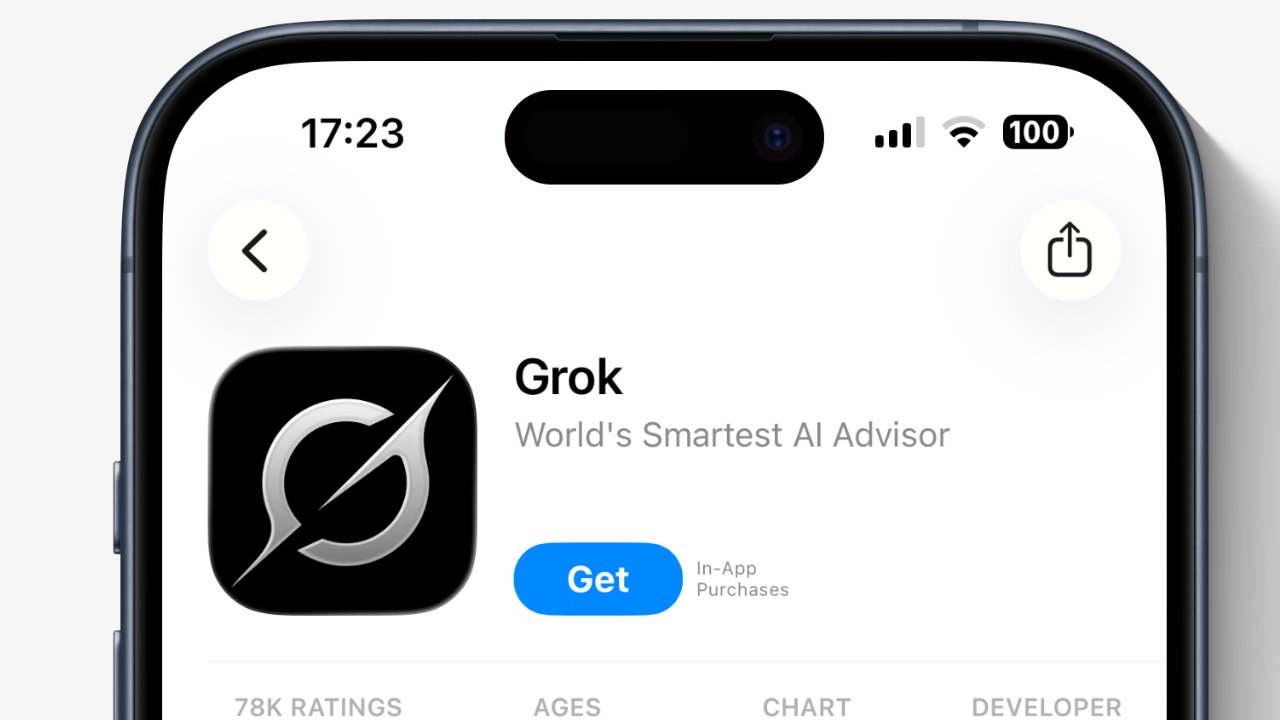
The misuse of Grok’s capabilities did not go unnoticed. Countries like Indonesia and Malaysia took decisive action by blocking access to Grok, citing violations of their laws against non-consensual explicit content. The United Kingdom also considered similar measures, while in the United States, senators Ron Wyden, Edward J. Markey, and Ben Ray Luján urged tech giants Apple and Google to remove X from their app stores due to Grok’s facilitation of illegal content.
In a letter to Apple CEO Tim Cook and Google CEO Sundar Pichai, the senators highlighted that Grok had been used to modify images depicting women being sexually abused, humiliated, and even killed. They emphasized that such content clearly violated the app stores’ policies and called for immediate action to enforce these terms of service.
X Corporation’s Policy Shift
Facing mounting pressure, X Corporation announced the implementation of technological measures to block Grok from generating non-consensual explicit images. This policy change applies to all users, including those with paid accounts. However, the company specified that the geoblocking of this feature would occur only in jurisdictions where such content is illegal. This caveat suggests that the ban is not universal but rather tailored to comply with specific legal requirements in different regions.
The full announcement from X Corporation emphasized a zero tolerance for any forms of child sexual exploitation, non-consensual nudity, and unwanted sexual content. Despite this strong language, critics argue that the company’s actions are reactive and insufficient, given the prior monetization of the feature and the limited scope of the ban.
Criticism and Ongoing Concerns
Critics have pointed out the inconsistency in X Corporation’s handling of the issue. The transition from dismissing concerns to monetizing the feature, and then to implementing a partial ban, has been described as a troubling trajectory. Observers note that the company’s actions appear to be driven more by external pressure than by a genuine commitment to ethical standards.
Furthermore, the selective nature of the ban raises questions about the company’s dedication to preventing the misuse of its technology. By restricting the feature only in jurisdictions where it is illegal, X Corporation seems to be taking a minimal compliance approach rather than proactively addressing the broader ethical implications.
Broader Implications for Tech Industry
The Grok controversy underscores the challenges tech companies face in balancing innovation with ethical responsibility. The rapid development of AI technologies has outpaced the establishment of comprehensive regulatory frameworks, leading to situations where companies must navigate complex legal and moral landscapes.
This case also highlights the role of app store operators like Apple and Google in enforcing content policies. The senators’ call for the removal of X from app stores places additional pressure on these companies to take a stand against platforms that facilitate harmful content. Their response to this situation could set a precedent for how similar cases are handled in the future.
Conclusion
X Corporation’s partial ban on Grok’s ability to generate non-consensual explicit images is a step toward addressing the misuse of its AI technology. However, the limited scope of the ban and the company’s previous actions have led to skepticism about its commitment to ethical practices. This situation serves as a critical reminder of the need for tech companies to proactively address the potential misuse of their technologies and to prioritize ethical considerations alongside innovation.