Top 11 DNS Filtering Solutions to Safeguard Your Network in 2026
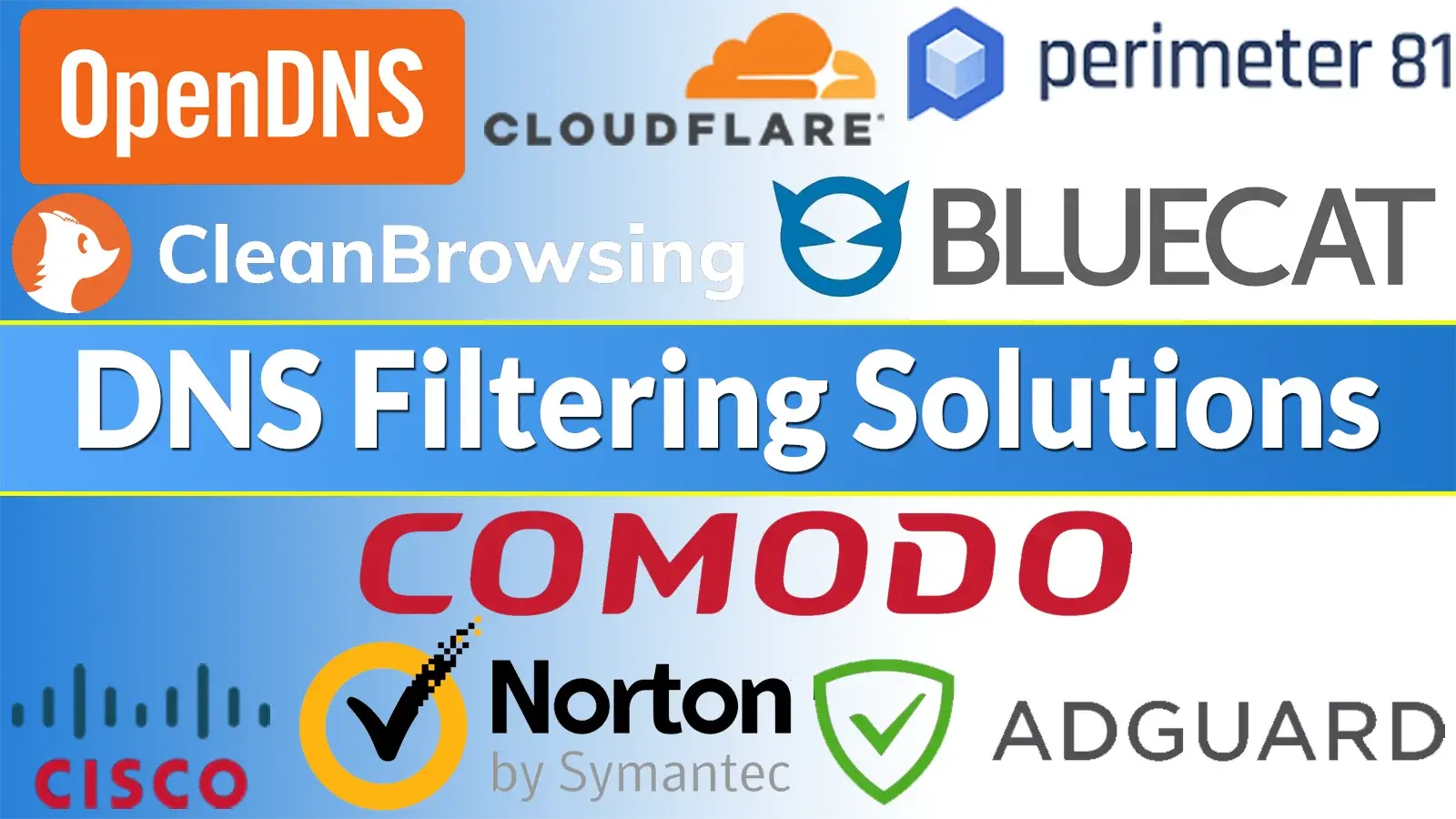
In today’s digital era, where cyber threats are increasingly sophisticated and pervasive, safeguarding your organization’s network is paramount. One effective strategy to enhance cybersecurity is implementing DNS (Domain Name System) filtering solutions. These tools not only protect against malicious websites but also help enforce content policies, ensuring a secure and productive online environment. This article delves into the top 11 DNS filtering solutions for 2026, highlighting their features and benefits to assist you in making an informed decision.
Understanding DNS Filtering
DNS filtering operates by intercepting DNS queries to prevent access to harmful or inappropriate websites. When a user attempts to visit a site, the DNS filter checks the domain against a database of known threats or restricted content. If the domain is flagged, the filter blocks access, thereby preventing potential security breaches or policy violations.
Benefits of DNS Filtering
– Enhanced Security: Blocks access to phishing sites, malware, and other cyber threats.
– Content Control: Restricts access to non-work-related or inappropriate content, promoting a focused work environment.
– Improved Productivity: Minimizes distractions by limiting access to social media and streaming platforms during work hours.
– Compliance Support: Assists in adhering to regulatory requirements by enforcing acceptable use policies.
Top 11 DNS Filtering Solutions for 2026
1. Perimeter 81
Features:
– Secure remote access
– Zero-trust network architecture
– Software-defined perimeter
– Multi-factor authentication
– Centralized management
Overview:
Perimeter 81 offers a comprehensive cybersecurity platform that integrates DNS filtering with secure network access. Its zero-trust model ensures that only authenticated users can access network resources, significantly reducing the risk of unauthorized access.
2. OpenDNS
Features:
– DNS-based web filtering
– Malware and botnet protection
– Phishing and scam protection
– Content filtering
– Customizable security categories
Overview:
OpenDNS, now part of Cisco Umbrella, provides robust DNS filtering services that protect users from malicious sites and enforce content policies. Its extensive database and real-time threat intelligence make it a reliable choice for organizations of all sizes.
3. Cloudflare Gateway
Features:
– Secure DNS filtering
– Web filtering and content controls
– Malware and phishing protection
– Threat intelligence integration
– Granular policies and controls
Overview:
Cloudflare Gateway extends the company’s renowned security infrastructure to DNS filtering, offering fast and reliable protection against online threats. Its integration with Cloudflare’s global network ensures minimal latency and high performance.
4. DNSFilter
Features:
– DNS-based web filtering
– Malware and phishing protection
– Content filtering and parental controls
– URL categorization and blocking
– Threat intelligence integration
Overview:
DNSFilter provides real-time threat protection and content filtering through its AI-driven platform. Its user-friendly interface and detailed reporting make it suitable for both technical and non-technical users.
5. ScoutDNS
Features:
– DNS-based web filtering
– Malware and phishing protection
– Content filtering and URL blocking
– Threat intelligence integration
– Customizable security policies
Overview:
ScoutDNS offers a cloud-based DNS filtering solution that emphasizes ease of use and flexibility. Its customizable policies allow organizations to tailor the filtering to their specific needs, ensuring both security and compliance.
6. Webroot
Features:
– Endpoint protection
– Threat intelligence
– Behavioral analysis
– Real-time anti-phishing
– DNS protection
Overview:
Webroot combines DNS filtering with endpoint protection, providing a multi-layered defense against cyber threats. Its lightweight agent and cloud-based management make deployment and maintenance straightforward.
7. DNSCyte
Features:
– DNS-based web filtering
– Malware and phishing protection
– Content filtering
– Real-time analytics
– Customizable policies
Overview:
DNSCyte focuses on delivering real-time analytics and reporting, enabling organizations to monitor and respond to threats promptly. Its customizable policies ensure that filtering aligns with organizational requirements.
8. Cisco Umbrella
Features:
– DNS-layer security
– Secure web gateway
– Cloud-delivered firewall
– Threat intelligence
– Content filtering
Overview:
Cisco Umbrella offers a comprehensive security solution that includes DNS filtering as part of its broader suite. Its integration with other Cisco security products provides a unified approach to network protection.
9. CIRA DNS Firewall
Features:
– DNS-based malware and phishing protection
– Content filtering
– Real-time threat intelligence
– Privacy-focused
– Easy deployment
Overview:
CIRA DNS Firewall leverages Canadian internet infrastructure to provide privacy-focused DNS filtering. Its emphasis on user privacy and data sovereignty makes it an attractive option for organizations concerned about data residency.
10. MXToolbox
Features:
– DNS-based web filtering
– Email security tools
– Threat intelligence
– Real-time monitoring
– Customizable alerts
Overview:
MXToolbox combines DNS filtering with a suite of email security tools, offering a holistic approach to online protection. Its real-time monitoring and alerting capabilities ensure that organizations can respond swiftly to emerging threats.
11. SafeDNS
Features:
– DNS-based web filtering
– Malware and phishing protection
– Content filtering
– Parental controls
– Detailed reporting
Overview:
SafeDNS provides a versatile DNS filtering solution suitable for both businesses and home users. Its detailed reporting and parental controls make it a comprehensive tool for managing internet access and security.
Implementing DNS Filtering in Your Organization
When selecting a DNS filtering solution, consider the following factors:
– Scalability: Ensure the solution can accommodate your organization’s growth.
– Customization: Look for customizable policies to align with your specific needs.
– Integration: Check compatibility with existing security infrastructure.
– User Experience: Opt for solutions that offer minimal latency and a seamless user experience.
– Support and Maintenance: Evaluate the provider’s support services and update frequency.
Conclusion
Implementing a robust DNS filtering solution is a proactive step toward enhancing your organization’s cybersecurity posture. By carefully evaluating the features and benefits of each option, you can select a solution that not only protects against online threats but also aligns with your organization’s policies and objectives. In the ever-evolving landscape of cyber threats, staying ahead with effective DNS filtering is essential for maintaining a secure and productive digital environment.