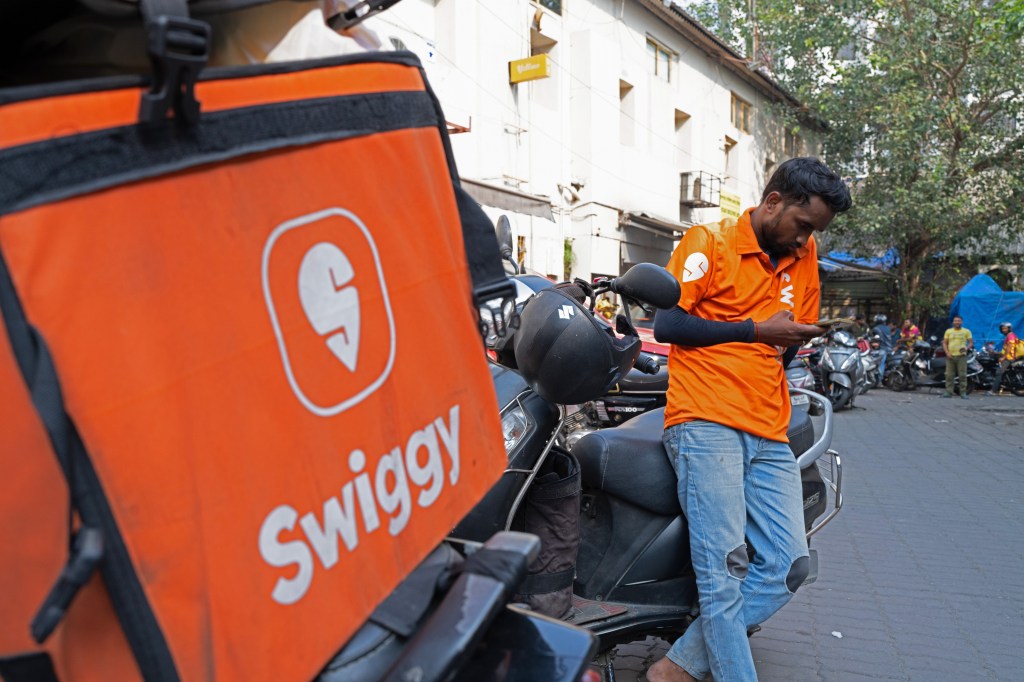
Article Title: India’s Quick Commerce Firms Drop 10-Minute Delivery Promises Amid Worker Safety Concerns
In a significant development for India’s rapidly expanding quick commerce sector, major platforms have agreed to eliminate their 10-minute delivery commitments. This decision follows the Indian government’s intervention, emphasizing the safety and well-being of delivery personnel.
Government Intervention and Industry Response
Union Labour Minister Mansukh Mandaviya recently convened meetings with executives from leading quick commerce companies, including Blinkit, Zepto, Swiggy, and Zomato. The discussions centered on the pressures faced by delivery workers due to stringent delivery timelines. Mandaviya urged these firms to remove the 10-minute delivery branding from their platforms, highlighting concerns over worker safety and the potential risks associated with such rapid delivery promises.
In response, Blinkit has already revised its tagline from 10,000+ products delivered in 10 minutes to 30,000+ products delivered at your doorstep. Other companies are expected to follow suit, signaling a collective shift in the industry’s approach to delivery timelines.
Worker Protests and Safety Concerns
The government’s intervention comes in the wake of nationwide protests by gig workers. On December 25 and 31, 2025, over 200,000 delivery personnel participated in strikes across major Indian cities. Organized by the Indian Federation of App-Based Transport Workers (IFAT), the protests aimed to draw attention to the challenges faced by gig workers, including:
– Unrealistic Delivery Expectations: The pressure to meet 10-minute delivery targets often compels workers to engage in unsafe practices, such as speeding and disregarding traffic signals, increasing the risk of accidents.
– Inadequate Compensation: Many workers have reported that the compensation structures do not align with the demands of rapid deliveries, leading to financial strain.
– Lack of Social Security: Gig workers often lack access to essential benefits like health insurance, accident coverage, and pensions, leaving them vulnerable in case of emergencies.
Political and Organizational Support
Several political figures and organizations have voiced their support for the gig workers’ cause. Aam Aadmi Party (AAP) MP Raghav Chadha has been a vocal advocate for the rights of delivery personnel. In a recent parliamentary session, Chadha emphasized that delivery workers are not robots but individuals with families, and the relentless pursuit of rapid deliveries amounts to cruelty. He called for the termination of 10-minute delivery services, highlighting the adverse effects on workers’ mental and physical health.
The Confederation of All India Traders (CAIT) also welcomed the government’s decision. CAIT’s National Secretary General and MP, Praveen Khandelwal, described the move as timely and humane, prioritizing the safety and dignity of delivery personnel. The organization has consistently raised concerns about the unregulated nature of quick commerce and its impact on traditional retail ecosystems.
Industry Implications and Future Outlook
The removal of 10-minute delivery promises marks a pivotal shift in India’s quick commerce landscape. While the rapid delivery model has been a significant driver of growth and customer acquisition, the associated risks have prompted a reevaluation of its sustainability.
Industry analysts suggest that this change is more about optics than a fundamental alteration of business operations. Many quick commerce companies have strategically located warehouses, known as dark stores, within close proximity to customers, enabling swift deliveries without imposing undue pressure on workers. By removing the explicit 10-minute promise, companies aim to alleviate the perceived pressure on delivery personnel while maintaining efficient service.
However, this development also underscores the need for a more comprehensive regulatory framework for the gig economy. As the sector continues to grow, ensuring fair compensation, social security benefits, and safe working conditions for gig workers will be crucial. The government’s proactive stance indicates a move towards more robust labor protections in the digital economy.
Conclusion
The decision by India’s quick commerce platforms to drop 10-minute delivery promises reflects a growing recognition of the importance of worker safety and well-being. While the industry has thrived on the allure of rapid deliveries, this shift suggests a balancing act between customer expectations and the rights of workers. As the sector evolves, fostering a sustainable and humane working environment will be essential for its long-term success.