Top 10 Best Practices for Monitoring Privileged Users in 2026
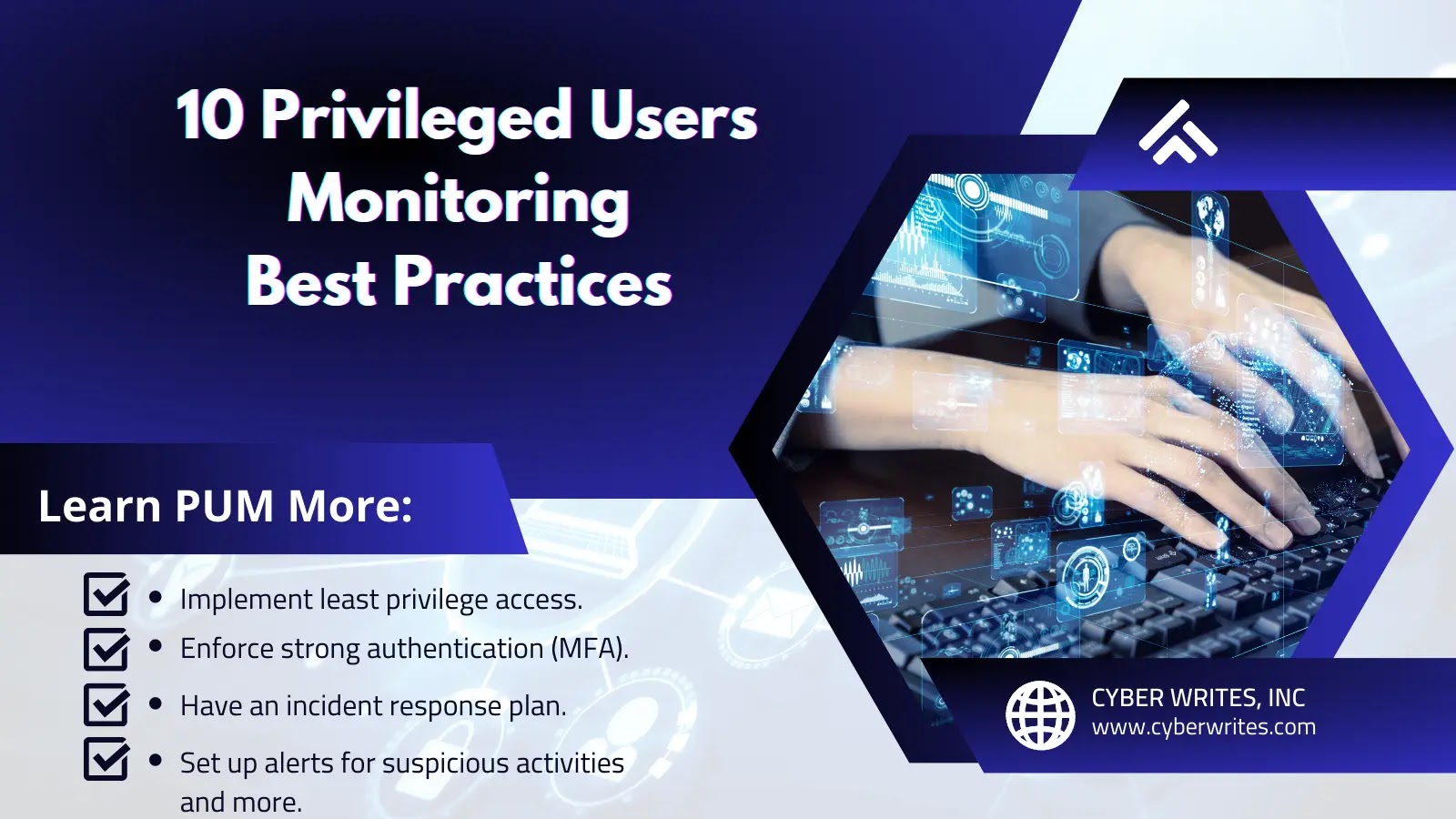
In today’s digital landscape, privileged users—those with elevated access rights to an organization’s critical systems and data—pose significant cybersecurity risks if not properly monitored. Effective Privileged User Monitoring (PUM) is essential to safeguard sensitive information, ensure compliance with regulations like GDPR and HIPAA, and mitigate potential threats. Here are ten best practices to enhance your organization’s PUM strategy:
1. Comprehensive Monitoring of Privileged User Activities
It’s imperative to monitor all actions performed by privileged users, not just those involving specific data types. Given their extensive access, tracking every activity helps in identifying unauthorized or malicious behavior. Implement user activity monitoring solutions that capture detailed records, including screenshots or video recordings, to facilitate thorough reviews during incident investigations.
2. Implement the Principle of Least Privilege
Restricting user privileges to the minimum necessary for their job functions reduces the risk of misuse. Regularly review and adjust access rights to ensure users have only the permissions required for their roles. This practice limits potential damage from compromised accounts and aligns with security frameworks like NIST 800-53.
3. Maintain an Inventory of Administrative Accounts
Keep an up-to-date inventory of all administrative accounts within your organization. This visibility allows for effective management and monitoring, ensuring that only authorized personnel have elevated access. Regular audits can help identify and deactivate unnecessary or dormant accounts, reducing potential attack vectors.
4. Monitor USB Device Usage
USB devices can introduce malware or facilitate data exfiltration. Implement policies to monitor and control the use of USB ports on systems accessed by privileged users. Solutions that track USB device connections and data transfers can help detect and prevent unauthorized activities.
5. Enforce Secondary Authentication for Shared Accounts
Shared accounts pose a challenge in attributing actions to specific individuals. Implement secondary authentication methods, such as requiring users to authenticate their identity before accessing shared accounts. This practice enhances accountability and deters unauthorized use.
6. Supervise Remote Access
With the rise of remote work, monitoring remote connections by privileged users is crucial. Ensure that remote access is secured through strong authentication measures, such as multi-factor authentication (MFA), and that all remote sessions are logged and reviewed for anomalies.
7. Protect Log Integrity
Logs are vital for tracking user activities and investigating incidents. Ensure that logs are securely stored and protected from tampering. Implement measures to prevent privileged users from modifying or deleting logs, and regularly review them for signs of suspicious behavior.
8. Detect Anomalous Behavior
Utilize behavioral analytics to establish baselines of normal activities for privileged users. Monitor for deviations from these baselines, such as unusual login times, access to atypical resources, or high volumes of data transfers. Anomalies can indicate potential security incidents requiring further investigation.
9. Continuous Monitoring and Real-Time Alerts
Implement continuous monitoring systems that provide real-time alerts for suspicious activities. This proactive approach enables swift responses to potential threats, minimizing the impact of security breaches.
10. Conduct Regular Cybersecurity Training
Educate privileged users on cybersecurity best practices, potential threats, and the importance of adhering to security policies. Regular training sessions can enhance awareness and reduce the likelihood of accidental or intentional security violations.
By adopting these best practices, organizations can effectively monitor privileged users, protect critical assets, and maintain compliance with regulatory requirements. Continuous vigilance and proactive measures are key to mitigating the risks associated with elevated access privileges.