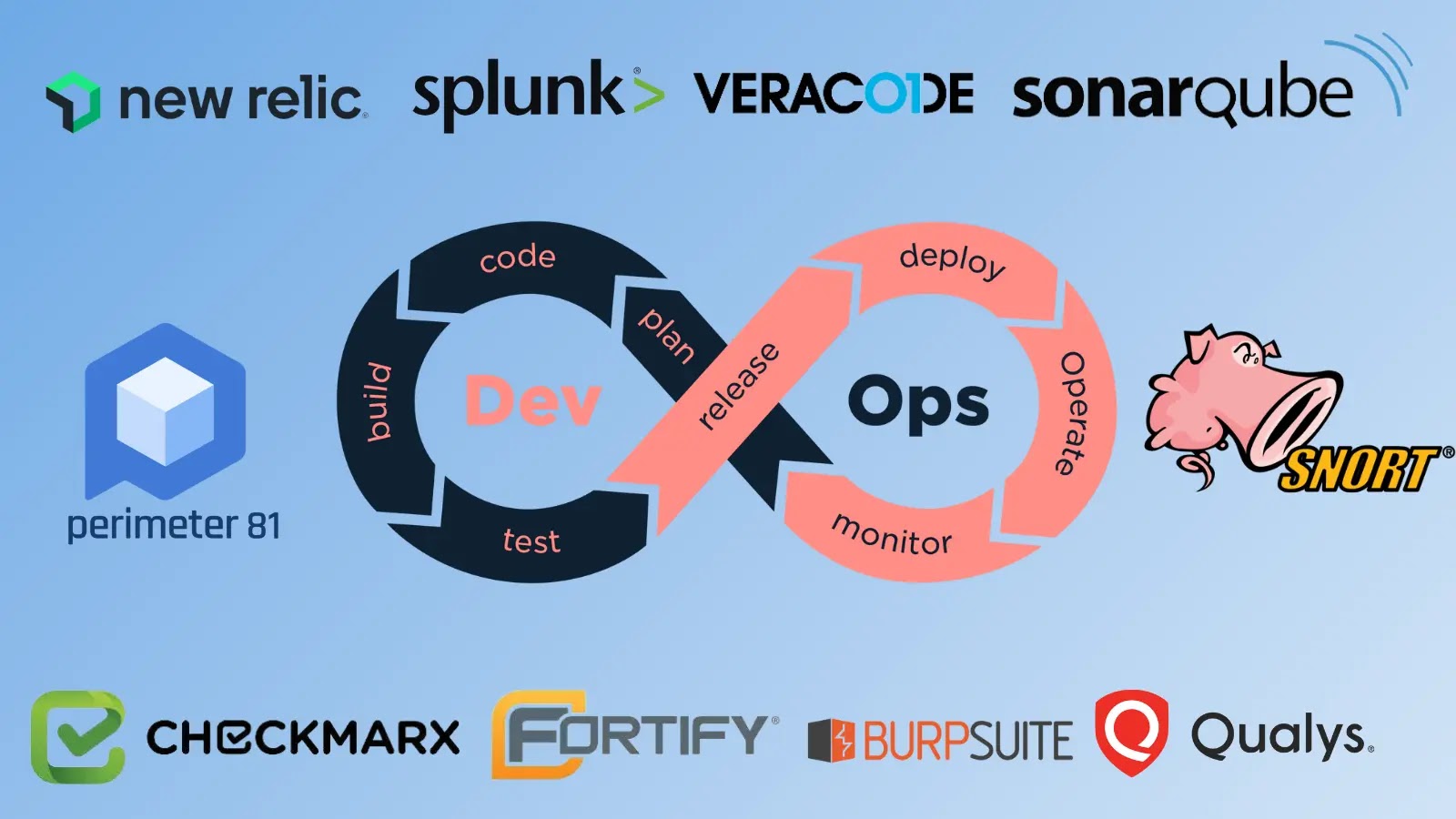
Top 10 DevOps Tools to Enhance Security in 2026
In the rapidly evolving landscape of software development, DevOps has emerged as a pivotal methodology, blending development and operations to streamline the software delivery process. However, as the speed of deployment increases, so does the potential for security vulnerabilities. Integrating robust security measures within the DevOps pipeline is essential to mitigate risks and ensure the delivery of secure applications. This approach, known as DevSecOps, emphasizes the incorporation of security practices throughout the development lifecycle.
Understanding DevSecOps
DevSecOps represents the fusion of development, security, and operations, aiming to embed security considerations into every phase of the software development process. Unlike traditional models where security assessments occur at the end of the development cycle, DevSecOps advocates for continuous security integration. This proactive stance facilitates the early detection of vulnerabilities, enhances software quality, and fosters a culture of shared responsibility among developers, operations personnel, and security teams.
Best Practices for DevOps Security in 2026
1. Shift Security Left: Incorporate security measures early in the development process, such as implementing static code analysis during initial coding stages.
2. Automate Security Checks: Utilize automated tools to perform regular security assessments, reducing human error and ensuring consistent evaluations.
3. Principle of Least Privilege: Grant users and systems only the access rights necessary for their functions, minimizing potential attack vectors.
4. Regular Patching and Updates: Keep systems, libraries, and frameworks up-to-date to protect against known vulnerabilities.
5. Comprehensive Code Reviews: Conduct manual code reviews with a focus on identifying security issues, complementing automated testing.
6. Continuous Monitoring and Auditing: Implement real-time monitoring and logging to detect and respond to security incidents promptly.
7. Incident Response Planning: Develop and regularly update an incident response plan to address potential security breaches effectively.
8. Ongoing Training and Awareness: Provide regular training to keep teams informed about the latest security threats and best practices.
9. Secure Configuration Management: Use configuration management tools to enforce secure settings across all infrastructure components.
Top 10 DevOps Tools for Enhanced Security in 2026
1. Perimeter 81: A comprehensive network security platform offering secure access to cloud environments, ensuring that only authorized personnel can access critical resources.
2. SonarQube: An open-source platform for continuous inspection of code quality, detecting bugs, vulnerabilities, and code smells in various programming languages.
3. Checkmarx: Provides static application security testing (SAST) to identify vulnerabilities in source code, enabling developers to remediate issues early in the development cycle.
4. Snort: An open-source intrusion detection and prevention system that analyzes network traffic in real-time to detect and prevent malicious activities.
5. Burp Suite: A powerful platform for security testing of web applications, offering tools for mapping the application, analyzing requests and responses, and identifying vulnerabilities.
6. New Relic: Provides real-time monitoring and analytics for applications and infrastructure, helping teams detect and resolve performance and security issues promptly.
7. Qualys: A cloud-based platform offering a suite of security tools, including vulnerability management, compliance monitoring, and web application scanning.
8. Veracode: Delivers application security testing solutions that integrate into the development pipeline, enabling continuous security assessments and compliance tracking.
9. Fortify Software: Offers comprehensive application security solutions, including static and dynamic analysis, to identify and remediate vulnerabilities throughout the software lifecycle.
10. GitLab: A complete DevOps platform that integrates security into the CI/CD pipeline, providing tools for code quality analysis, dependency scanning, and container security.
Conclusion
Integrating security into the DevOps pipeline is no longer optional; it is imperative to safeguard applications against evolving threats. By adopting DevSecOps practices and leveraging the right tools, organizations can achieve a balance between rapid development and robust security, ensuring the delivery of secure and reliable software products.