Moto G Power (2026): A Budget-Friendly Contender with Notable Trade-offs
Motorola’s latest addition to its budget-friendly lineup, the Moto G Power (2026), has officially hit the U.S. market as of January 8, 2026, priced at $299. This device continues the brand’s tradition of offering affordable smartphones, but with some noteworthy updates and compromises.
Design and Build Quality
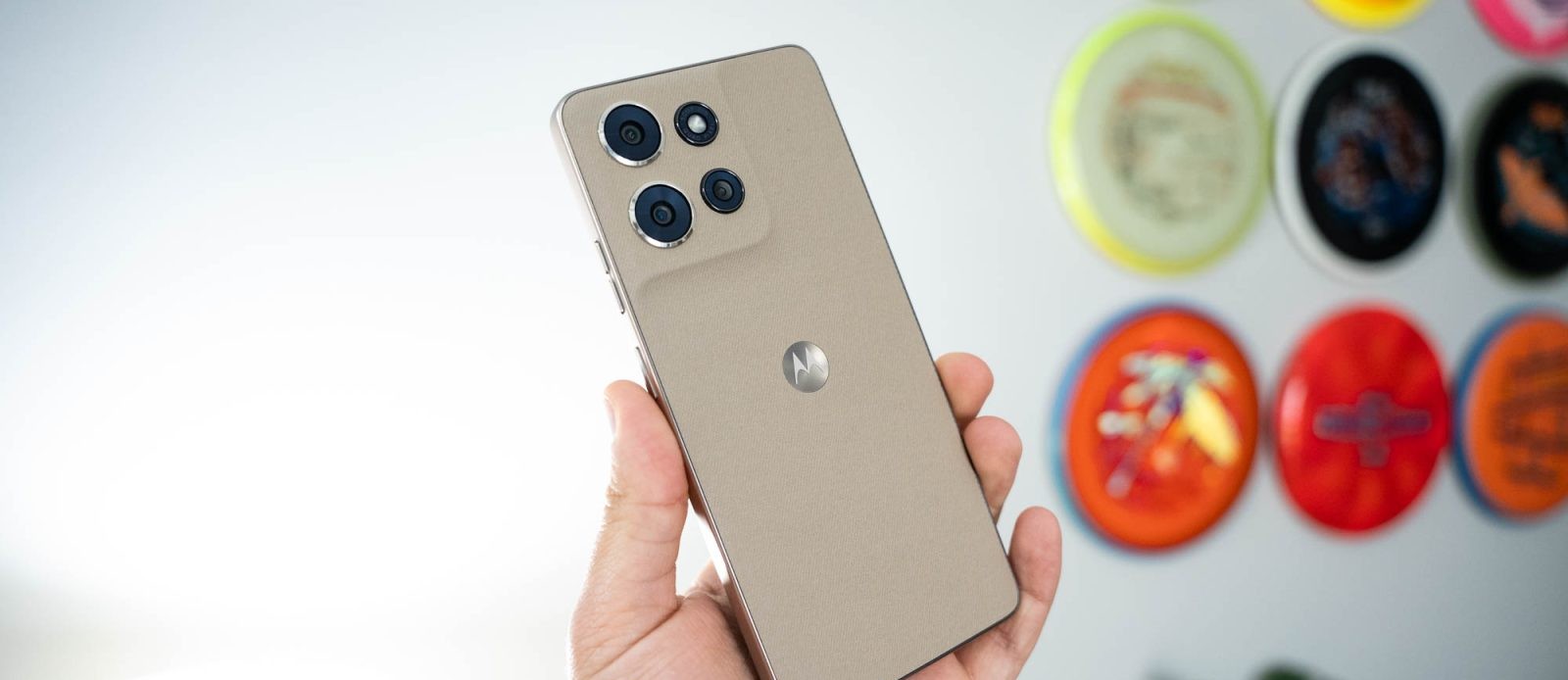
At first glance, the Moto G Power (2026) maintains the familiar aesthetic of its predecessors. It features a substantial glass front paired with a plastic frame designed to mimic the feel of metal—a design choice that, while not premium, offers a satisfactory tactile experience. The Pure Cashmere variant stands out with its textured, rubber-like back, providing a comfortable grip. However, concerns about its durability over time remain, especially for users who prefer not to use protective cases. A notable omission in this iteration is the absence of wireless charging, a feature present in previous models.
Display Characteristics
The device boasts a 6.8-inch display that delivers adequate performance for daily tasks. However, users might notice some inconsistencies, such as edge bleeding and vignetting, particularly around the screen’s borders and the front-facing camera cutout. Despite these issues, the display quality marks an improvement over earlier Moto G models. The fingerprint sensor and speaker system also perform reliably, contributing to a user-friendly experience.
Performance and Hardware
Under the hood, the Moto G Power (2026) is powered by MediaTek’s Dimensity 6300 chipset, coupled with 8GB of RAM. This combination ensures competent handling of everyday applications and multitasking. Nevertheless, users may encounter occasional software hiccups, such as stuttering during scrolling and a less-than-smooth notification shade. These issues are indicative of Motorola’s custom Android skin, which appears to lack optimization. While these performance quirks don’t severely impact usability, they do remind users of the device’s budget-friendly nature.
Software Support and Updates
A significant consideration for potential buyers is Motorola’s approach to software updates. The company commits to providing only two major Android OS updates and three years of security patches for the Moto G series. This limited support is a drawback, especially when compared to competitors like Google’s Pixel 9a, which offers seven years of updates, and Samsung’s Galaxy A17, which provides six years of support. This trade-off between hardware capabilities and software longevity is a critical factor for consumers to weigh.
Comparative Analysis
In the crowded budget smartphone market, the Moto G Power (2026) occupies a unique position. Its hardware specifications are commendable for its price point, but the limited software support may deter some users. For those prioritizing long-term software updates, alternatives like the Pixel 9a or Galaxy A17 might be more appealing, albeit at a slightly higher cost. However, for consumers seeking immediate performance and are less concerned about future updates, the Moto G Power (2026) presents a viable option.
Conclusion
The Moto G Power (2026) offers a balanced mix of performance and affordability, making it a strong contender in the budget smartphone segment. While it excels in hardware aspects, potential buyers should carefully consider the implications of its limited software support. Ultimately, the decision hinges on individual priorities, whether they lean towards immediate hardware performance or long-term software reliability.