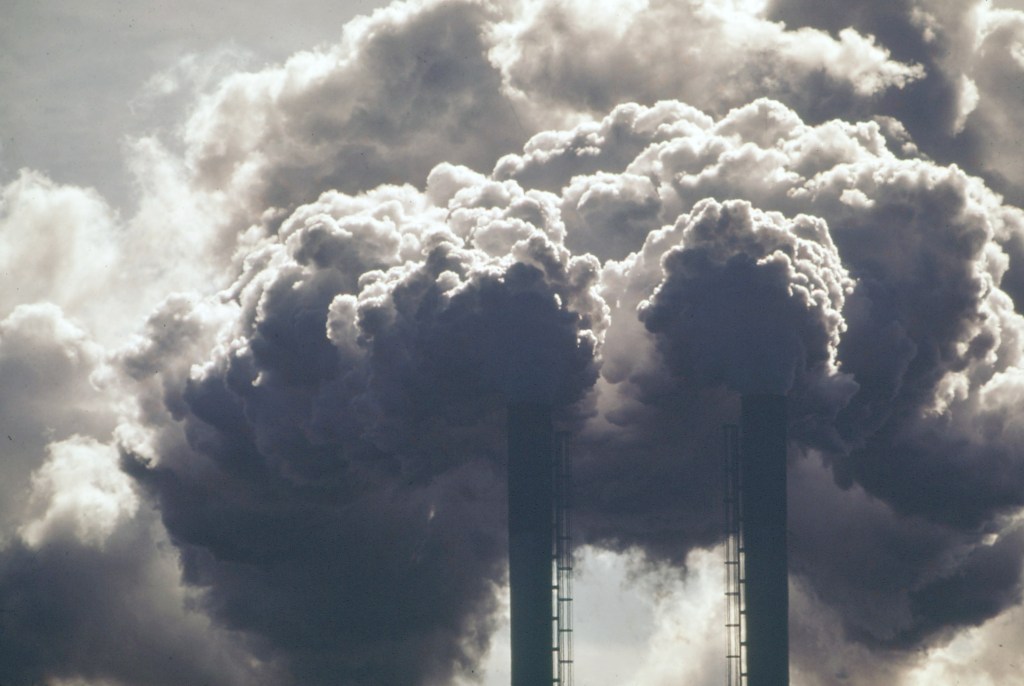
Trump Administration’s EPA to Overlook Health Impacts in Air Pollution Regulations
Since the Reagan era, the Environmental Protection Agency (EPA) has assigned a monetary value to human life to conduct cost-benefit analyses of pollution controls. This approach justified pollution reduction measures when the health benefits outweighed the costs. However, the current administration plans to deviate from this longstanding practice by excluding the valuation of human health in regulating pollutants like ozone and fine particulate matter (PM2.5).
Air pollution’s detrimental effects have been recognized for decades, prompting the establishment of the EPA under President Nixon. Ground-level ozone, formed when nitrogen oxides from vehicles and power plants react in sunlight, contributes to smog and poses significant health risks, especially to vulnerable populations. PM2.5, tiny particles less than 2.5 micrometers in diameter, can penetrate deep into the lungs and bloodstream, leading to respiratory and cardiovascular diseases.
Recent studies have linked PM2.5 exposure to a broader range of health issues, including Parkinson’s disease, kidney disease, Alzheimer’s, dementia, and type 2 diabetes. Prenatal exposure has been associated with low birth weight. Globally, fine particulate matter pollution is responsible for approximately 10 million deaths annually.
This policy shift occurs as data centers increasingly rely on less clean energy sources. For instance, Elon Musk’s xAI utilized numerous unpermitted natural gas turbines to power its Colossus data center near Memphis, Tennessee—a region already identified as an asthma capital due to existing pollution levels.
The U.S. Chamber of Commerce supports the EPA’s proposed changes. Marty Durbin, president of the chamber’s Global Energy Institute, stated, We appreciate the efforts of this administration to rebalance regulations with a common-sense approach. We look forward to examining the proposal from the EPA.
Critics argue that disregarding the health impacts of air pollution in regulatory decisions could lead to increased health risks and mortality rates. They emphasize the importance of considering human health in environmental policies to protect public well-being.