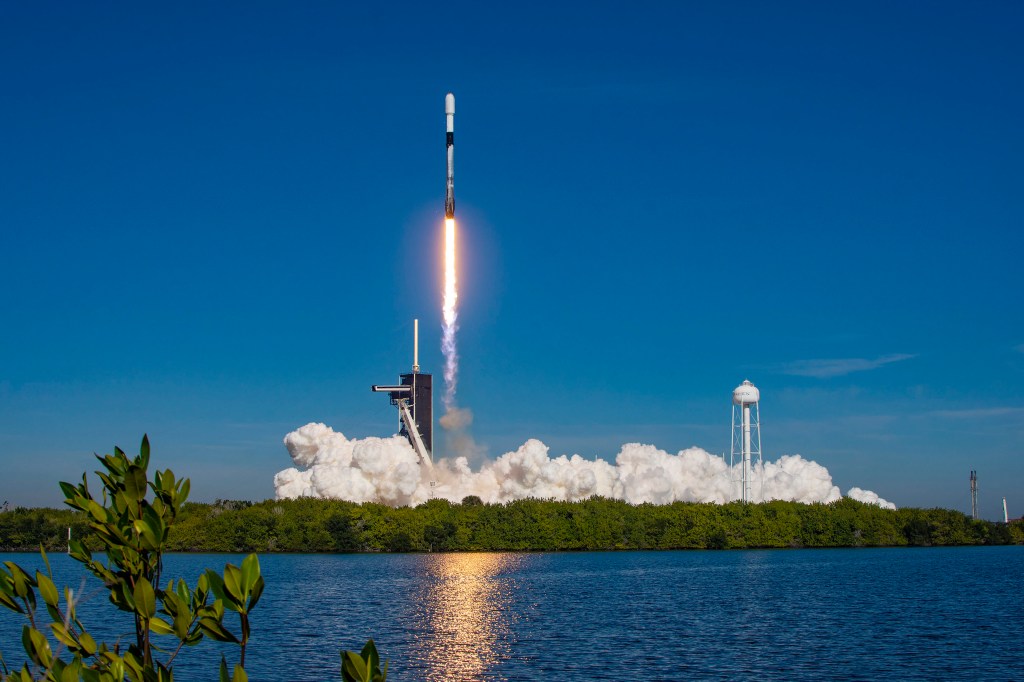
SpaceX Secures FCC Approval to Expand Starlink Network with 7,500 Additional Satellites
In a significant development for global satellite internet services, the Federal Communications Commission (FCC) has granted SpaceX authorization to deploy an additional 7,500 second-generation Starlink satellites. This approval brings the total number of Starlink satellites permitted for launch to 15,000, marking a substantial expansion of SpaceX’s ambitious project to provide high-speed internet access worldwide.
The FCC’s decision not only allows for an increase in the number of satellites but also enables Starlink to operate across five frequency bands. This enhancement is poised to improve the network’s capacity and reliability. Additionally, the approval facilitates direct-to-cell connectivity beyond the United States, offering supplemental coverage domestically and extending services to underserved regions globally.
Initially, SpaceX sought approval for an additional 15,000 satellites. However, the FCC has deferred authorization for 14,988 of these proposed Gen2 Starlink satellites, opting to approve 7,500 at this time. This measured approach reflects the FCC’s commitment to balancing technological advancement with considerations such as orbital debris management and spectrum allocation.
Under the terms set by the FCC, SpaceX is required to launch 50% of the approved satellites by December 1, 2028, with the remaining 50% to be deployed by December 2031. This phased deployment ensures a systematic expansion of the Starlink constellation, allowing for continuous assessment and adaptation of the network.
Background and Context
SpaceX’s Starlink project aims to establish a vast constellation of low Earth orbit (LEO) satellites to deliver high-speed internet services globally. Since its inception, Starlink has experienced rapid growth, with the network reaching nearly 6,000 satellites and service availability in nearly 100 countries by September 2024. This expansion has been accompanied by a surge in subscribers, surpassing 4 million users worldwide.
The approval for additional satellites is a continuation of SpaceX’s strategic efforts to enhance network capacity and coverage. In 2018, the FCC approved SpaceX’s application to add 7,518 satellites to its Starlink constellation, bringing the total to over 12,000 satellites. This expansion was aimed at improving service quality and reaching more users globally.
In 2019, SpaceX filed paperwork with the International Telecommunication Union to launch up to 30,000 more Starlink satellites, indicating the company’s long-term vision for a massive satellite network. This move was driven by the anticipated demand for fast, reliable internet worldwide, especially in regions where connectivity is limited or non-existent.
Technical Enhancements and Future Prospects
The newly approved satellites are part of SpaceX’s second-generation Starlink system, designed to operate across multiple frequency bands. This capability is expected to enhance the network’s performance, reduce latency, and provide more robust service to users. The inclusion of direct-to-cell connectivity is particularly noteworthy, as it allows Starlink to offer internet services directly to mobile devices without the need for ground-based infrastructure.
This feature is especially beneficial in remote or disaster-stricken areas where traditional communication networks are unavailable or have been compromised. By providing direct-to-cell connectivity, Starlink can offer a lifeline to individuals and communities in need, ensuring they remain connected during critical times.
SpaceX’s commitment to expanding its satellite network aligns with its broader mission to make high-speed internet accessible to underserved and remote regions. The company’s innovative approach to satellite deployment, including the use of reusable rocket technology, has significantly reduced launch costs and increased the feasibility of maintaining and expanding the Starlink constellation.
As SpaceX continues to deploy additional satellites, the company is also focusing on addressing challenges related to space debris and orbital congestion. The low Earth orbit environment is becoming increasingly crowded, raising concerns about potential collisions and the long-term sustainability of satellite operations. SpaceX has implemented measures such as automated collision avoidance systems and plans for de-orbiting satellites at the end of their operational life to mitigate these risks.
The FCC’s approval of 7,500 additional Starlink satellites represents a significant milestone in SpaceX’s ongoing efforts to build a comprehensive and reliable global internet network. As the company works towards meeting the deployment deadlines set by the FCC, the expansion of the Starlink constellation is expected to bring enhanced connectivity to millions of users worldwide, bridging the digital divide and fostering greater global communication and collaboration.