CES 2026 Unveils Cutting-Edge Innovations: Nvidia’s AI Models, AMD’s Advanced Processors, and Razer’s AI Concepts
The Consumer Electronics Show (CES) 2026 in Las Vegas has once again set the stage for groundbreaking technological advancements. This year’s event prominently featured artificial intelligence (AI) integrations, with industry leaders like Nvidia, AMD, and Razer unveiling their latest innovations.
Nvidia’s AI Advancements and Rubin Architecture
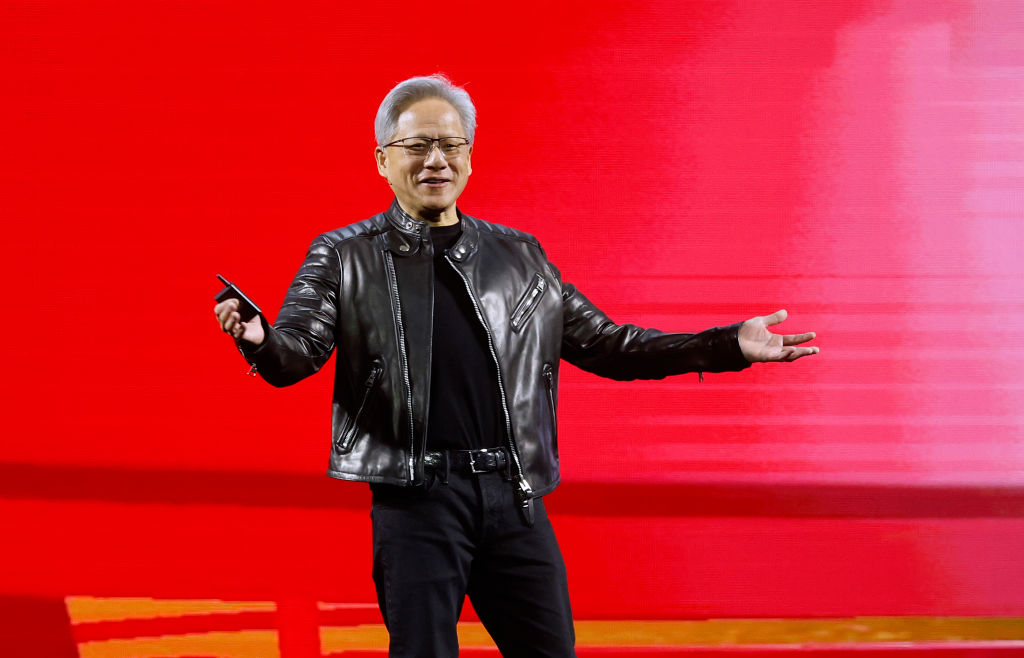
Nvidia’s CEO, Jensen Huang, delivered a comprehensive presentation highlighting the company’s strides in AI technology. A significant announcement was the introduction of the Rubin computing architecture, designed to meet the escalating computational demands of AI applications. Set to replace the existing Blackwell architecture in the latter half of the year, Rubin promises enhanced speed and storage capabilities. This development underscores Nvidia’s commitment to advancing AI infrastructure.
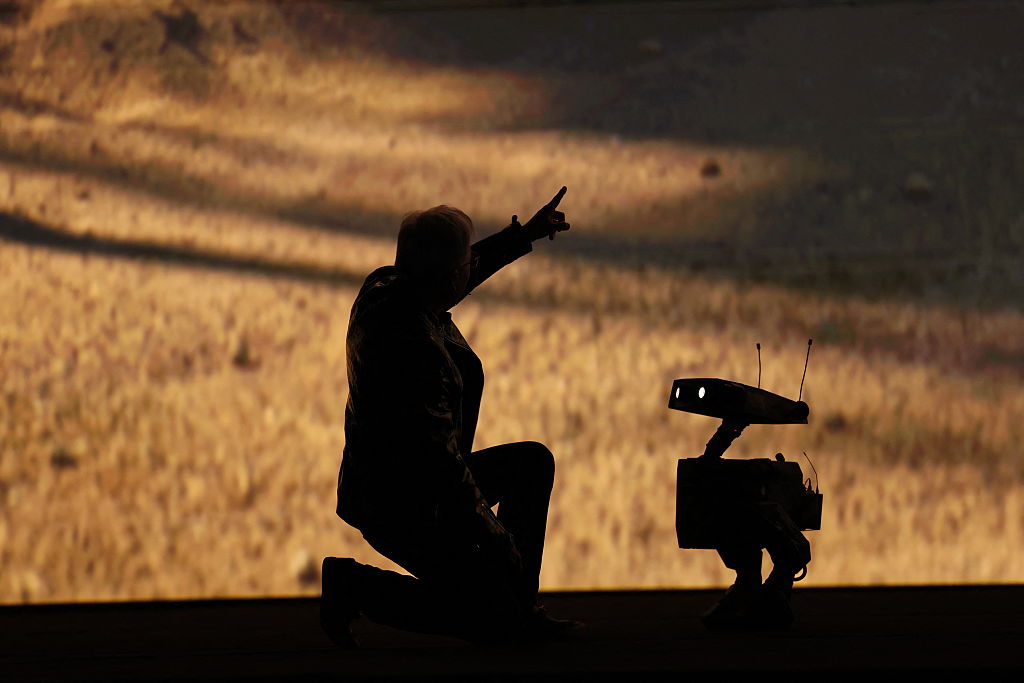
In addition to hardware innovations, Nvidia showcased the Alpamayo family of open-source AI models and tools tailored for autonomous vehicles. This initiative aligns with Nvidia’s broader strategy to establish its infrastructure as the standard platform for generalist robotics, akin to Android’s role in the smartphone industry. By providing versatile AI models, Nvidia aims to accelerate the deployment of autonomous technologies across various sectors.
AMD’s Focus on AI Integration and New Processors
AMD’s Chair and CEO, Lisa Su, emphasized the company’s dedication to making AI accessible to all. She highlighted the rapid adoption of AI technologies, noting that since the launch of ChatGPT, the number of active AI users has surged to over a billion. This exponential growth reflects AI’s transformative impact across industries.
To support this AI-driven future, AMD introduced the Ryzen AI 400 Series processors. These chips are engineered to deliver faster multitasking and enhanced content creation capabilities, catering to both general users and gaming enthusiasts. The integration of AI features into these processors signifies AMD’s commitment to enhancing user experiences through intelligent computing solutions.
Furthermore, AMD unveiled the Helios rack, a substantial infrastructure component weighing nearly 7,000 pounds—comparable to the weight of two compact cars. This robust design underscores the company’s focus on building scalable and powerful computing solutions to meet the demands of AI workloads.
Razer’s AI-Powered Concepts: Project AVA and Project Motoko
Razer, known for its innovative hardware, introduced two AI-driven concepts at CES 2026. Project AVA presents an AI companion avatar designed to interact with users, offering a personalized and engaging experience. This concept explores the potential of AI in enhancing user interaction and engagement.
Project Motoko aims to deliver smart functionalities without the need for traditional smart glasses. By integrating AI capabilities into a compact form factor, Razer envisions a future where users can access intelligent features seamlessly, without additional wearable devices.
Lego’s Debut at CES with Smart Play System
Making its inaugural appearance at CES, Lego introduced the Smart Play System. This innovative system includes interactive bricks, tiles, and Minifigures capable of communicating with each other and producing sounds. The debut sets, themed around Star Wars, showcase Lego’s commitment to blending traditional play with modern technology, offering an enriched and interactive experience for users.
Conclusion
CES 2026 has highlighted the pervasive influence of AI across the technology landscape. From Nvidia’s advanced computing architectures and AI models to AMD’s AI-integrated processors and Razer’s conceptual AI companions, the event underscores a collective industry effort to harness AI’s potential. As these innovations progress from concept to reality, they promise to redefine user experiences and set new standards in technology.