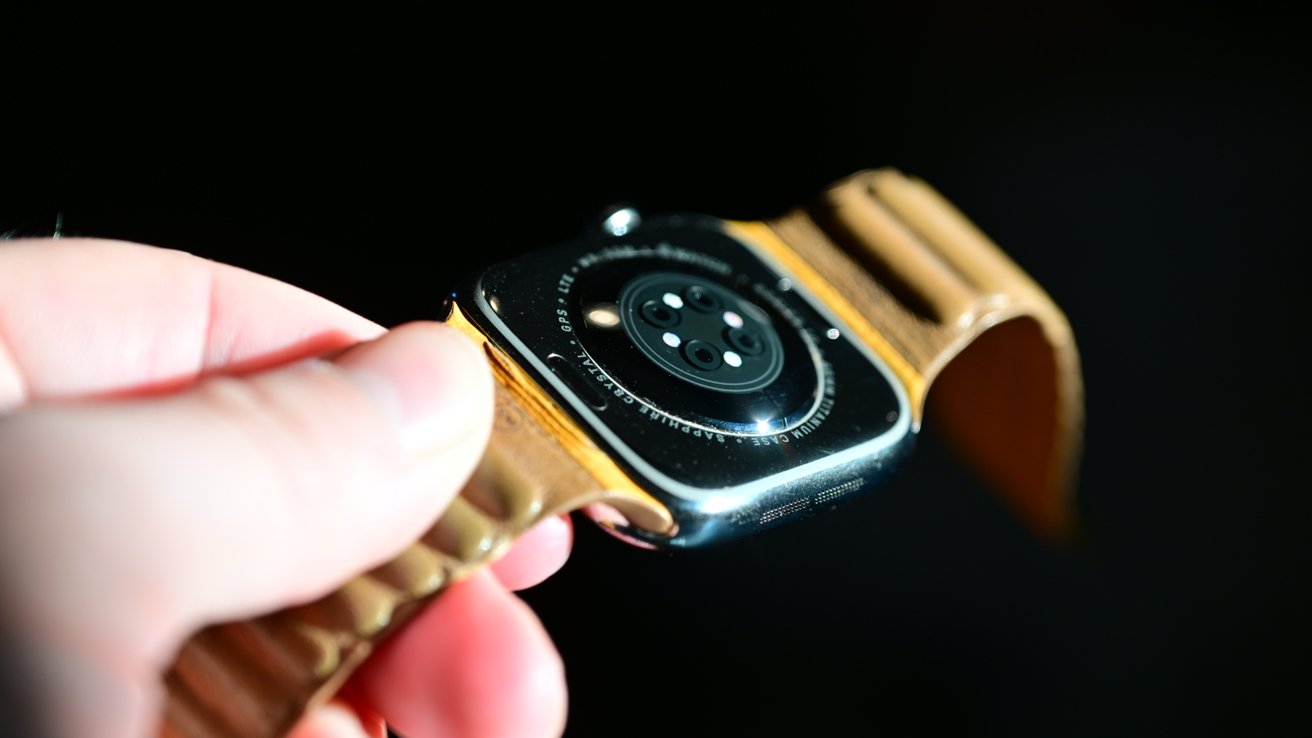
Apple Triumphs in Latest Legal Battle Against AliveCor Over Apple Watch Sensor
In a significant legal victory for Apple, the Court of Appeals for the Ninth Circuit has dismissed antitrust claims brought by health technology company AliveCor. This decision, issued on January 8, 2026, marks the latest development in a series of legal disputes between the two companies concerning the heart rate monitoring technology in the Apple Watch.
Background of the Dispute
AliveCor, known for its mobile electrocardiogram (ECG) devices, initiated legal action against Apple in December 2020. The company alleged that Apple’s ECG functionality in the Apple Watch Series 4 and subsequent models infringed upon its patents related to wearable cardiac monitoring technology. AliveCor’s patents, including U.S. Patent Nos. 10,595,761, 10,638,941, and 9,572,499, focus on monitoring cardiac arrhythmias using data from wearable devices. The lawsuit claimed that Apple had knowledge of these patents and willfully infringed upon them. AliveCor sought an injunction against Apple’s alleged infringement, as well as damages and legal costs.
Antitrust Allegations and Court Findings
Following the patent infringement claims, AliveCor pursued antitrust allegations against Apple, accusing the tech giant of monopolizing access to the Apple Watch’s heart rate monitoring technology. AliveCor contended that Apple’s refusal to allow third-party access to its heart rate algorithm data constituted anticompetitive behavior. However, the Ninth Circuit Court upheld the district court’s summary judgment in favor of Apple, stating that Apple’s decision was a refusal to deal, which is generally permissible under antitrust law. The court emphasized that there is no antitrust duty to deal, and AliveCor failed to establish an exception to this rule.
Implications of the Ruling
This ruling effectively ends AliveCor’s antitrust claims against Apple, reinforcing the tech company’s autonomy over its proprietary technologies. The decision underscores the challenges smaller companies face when alleging antitrust violations against industry giants, particularly when the larger company has the right to control access to its technology.
Previous Legal Outcomes
This is not the first time Apple has successfully defended itself against AliveCor’s legal challenges. In March 2025, a federal court invalidated AliveCor’s patent infringement claims, preventing a potential import ban on the Apple Watch. The court found that Apple’s development of the atrial fibrillation detection feature did not infringe upon AliveCor’s patents. Apple expressed satisfaction with the ruling, highlighting its commitment to developing health, wellness, and safety features that positively impact users’ lives.
AliveCor’s Response and Future Actions
AliveCor has expressed deep disappointment with the court’s decisions and is considering all available legal options, including potential appeals. The company emphasized that its fight against Apple is necessary to preserve innovation, fair competition, and the protection of intellectual property rights for inventors. AliveCor remains focused on transforming the industry with clinically validated, AI-powered solutions aimed at democratizing access to cardiac care.
Broader Context of Legal Battles in Wearable Technology
The legal disputes between Apple and AliveCor are part of a broader trend of litigation in the wearable technology sector. Companies like Fitbit and Masimo have also faced lawsuits alleging patent infringement and anticompetitive practices. For instance, in October 2024, a Delaware jury found Masimo guilty of infringing Apple’s patents related to health technology in smartwatches, awarding Apple a token $250 in damages. These cases highlight the competitive and litigious nature of the wearable health technology market, where companies vie for dominance through innovation and legal maneuvering.
Conclusion
Apple’s recent legal victory over AliveCor reinforces its position in the wearable health technology market and sets a precedent for how proprietary technology is protected under antitrust laws. While AliveCor may pursue further legal avenues, the current ruling underscores the complexities and challenges smaller companies face when contesting the practices of tech giants. As the wearable technology industry continues to evolve, these legal battles will likely shape the landscape of innovation, competition, and intellectual property rights.