Embracing Non-Human Employees: The Future of Cybersecurity
As organizations increasingly integrate Artificial Intelligence (AI) and cloud automation into their operations, the presence of Non-Human Identities (NHIs)—such as bots, AI agents, service accounts, and automation scripts—has surged. According to ConductorOne’s 2025 Future of Identity Security Report, 51% of respondents now consider the security of NHIs to be as critical as that of human accounts. Despite their growing prevalence, NHIs often function beyond the reach of traditional Identity and Access Management (IAM) systems, introducing new vulnerabilities that organizations must address.
The Rising Cybersecurity Risks of Non-Human Identities
Unlike human users, NHIs frequently operate unnoticed, even though they often possess significant access to sensitive systems. They are typically granted extensive, standing access across various infrastructures, cloud environments, and Continuous Integration/Continuous Deployment (CI/CD) pipelines. Once this access is established, it is seldom reviewed or revoked, making NHIs attractive targets for cybercriminals.
Key security risks associated with NHIs include:
– Hardcoded Credentials: Embedding credentials directly into scripts can lead to unauthorized access if these scripts are compromised.
– Secrets in Source Code: Storing sensitive information within source code increases the risk of exposure, especially if the code is publicly accessible.
– Lack of Visibility: Without proper monitoring, the activities of NHIs can go undetected, allowing malicious actions to persist unnoticed.
In cloud environments, NHIs often outnumber human users, expanding the attack surface and introducing additional security vulnerabilities. When NHIs are overlooked during security audits or excluded from IAM policies, the convenience of automation can transform into a significant security blind spot.
Implementing Zero-Trust Principles for Non-Human Access
To mitigate the security risks associated with NHIs, organizations should apply zero-trust security principles to all identities, treating NHIs with the same level of scrutiny as human users. Key strategies include:
– Zero-Trust Authentication and Authorization: Ensure that every NHI is authenticated and authorized, granting only the minimum necessary access. All activities should be logged, monitored, and auditable to maintain compliance with regulatory requirements.
– Enforcing Least-Privilege Access: Implement Role-Based Access Controls (RBAC) and set time-based credential expiration policies to ensure NHIs access only what they need, when they need it.
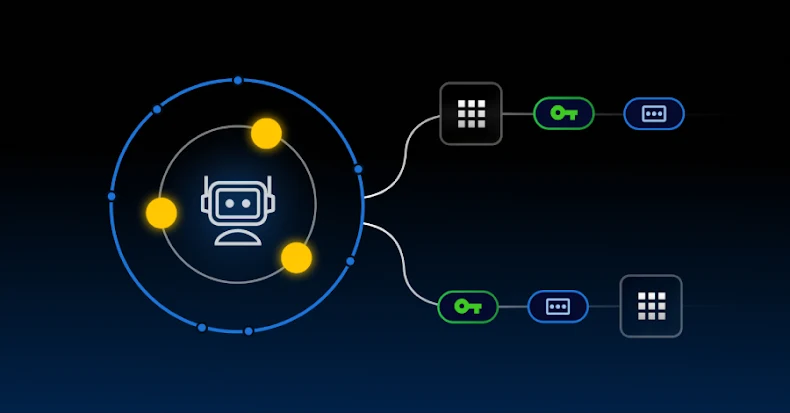
– Utilizing Just-in-Time (JIT) Access and Ephemeral Secrets: Replace static credentials with short-lived API tokens and automate credential rotation after task completion or on a predetermined schedule.
By adopting these practices, organizations can significantly reduce the exposure of NHIs, making them auditable and manageable at scale. For instance, automatically expiring API tokens after deployment minimizes the risk of those secrets being exploited. Similarly, service accounts that request access only when necessary for specific tasks enhance security.
Enhancing Security Posture with Advanced Measures
Beyond the foundational zero-trust principles, organizations can further strengthen their security posture by:
– Implementing Continuous Monitoring: Deploy tools that provide real-time visibility into NHI activities, enabling prompt detection and response to suspicious behavior.
– Conducting Regular Audits: Periodically review NHI access rights and activities to ensure compliance with security policies and identify potential vulnerabilities.
– Educating Development Teams: Train developers on secure coding practices to prevent the inclusion of hardcoded credentials and other insecure methods in scripts and applications.
– Utilizing Secrets Management Solutions: Employ dedicated tools to securely store, manage, and access sensitive information, reducing the risk of exposure.
The Role of Automation in Securing NHIs
Automation plays a dual role in the context of NHIs—it is both a source of risk and a tool for mitigation. By automating security processes, organizations can:
– Ensure Consistency: Automated processes reduce the likelihood of human error, ensuring that security policies are applied uniformly across all NHIs.
– Improve Response Times: Automated detection and response mechanisms can identify and address security incidents involving NHIs more swiftly than manual processes.
– Facilitate Scalability: As the number of NHIs grows, automation enables organizations to manage security at scale without a proportional increase in resources.
Conclusion
The integration of Non-Human Identities into organizational infrastructures presents both opportunities and challenges. While NHIs can enhance efficiency and scalability, they also introduce new security risks that must be proactively managed. By applying zero-trust principles, enforcing least-privilege access, and leveraging automation, organizations can secure NHIs effectively, ensuring that the benefits of automation do not come at the expense of security.