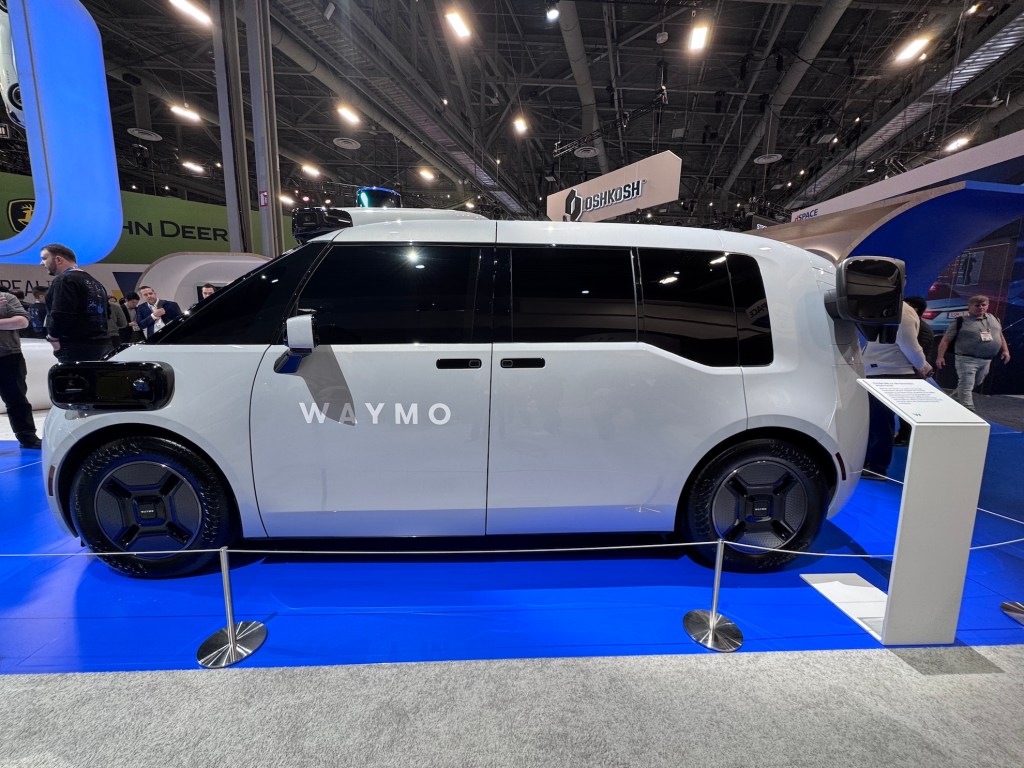
Waymo’s Zeekr Robotaxi Rebranded as ‘Ojai’ Ahead of Commercial Launch
Waymo, the autonomous vehicle subsidiary of Alphabet, has announced the rebranding of its Zeekr-manufactured robotaxi to Ojai as it prepares for integration into its commercial fleet. This strategic move aims to enhance brand recognition and align with the vehicle’s forthcoming deployment in the United States.
Background and Development
In 2021, Waymo partnered with Zeekr, a subsidiary of China’s Geely Holding Group, to develop a purpose-built autonomous vehicle. The collaboration led to the unveiling of a prototype based on Zeekr’s SEA-M architecture, designed specifically for mobility solutions like robotaxis and logistics vehicles. The initial concept, showcased in Los Angeles, featured a steering wheel-free design, emphasizing its autonomous capabilities.
Over the past three years, the vehicle has undergone extensive testing and refinement in urban environments such as Phoenix and San Francisco. These trials focused on evaluating the vehicle’s performance, safety features, and user experience to ensure readiness for public deployment.
Rebranding to ‘Ojai’
The decision to rename the robotaxi to Ojai stems from Waymo’s assessment that the Zeekr brand lacks familiarity among U.S. consumers. By adopting the name Ojai—inspired by the arts-centric village in California’s Topatopa Mountains—Waymo aims to create a more relatable and welcoming image for its autonomous service. Notably, the vehicle is programmed to greet passengers with a friendly Oh hi followed by their name, adding a personalized touch to the ride experience.
Design and Technological Enhancements
The Ojai robotaxi retains the advanced hardware suite introduced in earlier prototypes, including 13 cameras, four lidar sensors, six radar units, and multiple external audio receivers. These components work in concert to provide a comprehensive 360-degree perception of the vehicle’s surroundings, ensuring safe and efficient navigation through complex urban landscapes.
Aesthetic adjustments have also been made; the vehicle’s exterior color has transitioned from a bluish tint to a more neutral silver, reflecting a sleek and modern design ethos.
Path to Commercial Deployment
As part of its final testing phase, Waymo has extended access to the Ojai robotaxi to its employees, along with their family and friends, in San Francisco and Phoenix. This internal rollout serves as a critical step in validating the vehicle’s performance and user experience before broader public availability.
Waymo’s expansion strategy is ambitious, with existing commercial robotaxi services operating in cities like Atlanta, Austin, Los Angeles, Phoenix, and San Francisco. The introduction of Ojai is poised to bolster Waymo’s presence in these markets and support its plans for further growth.
Industry Context and Future Outlook
The rebranding and impending launch of Ojai underscore Waymo’s commitment to advancing autonomous transportation solutions. By addressing branding considerations and enhancing user engagement, Waymo aims to foster greater acceptance and adoption of driverless ride-hailing services.
As the autonomous vehicle industry continues to evolve, Waymo’s proactive approach in refining both technology and consumer perception positions it as a leader in the field. The successful deployment of Ojai could serve as a catalyst for broader acceptance of autonomous vehicles, paving the way for a future where driverless transportation becomes a mainstream reality.