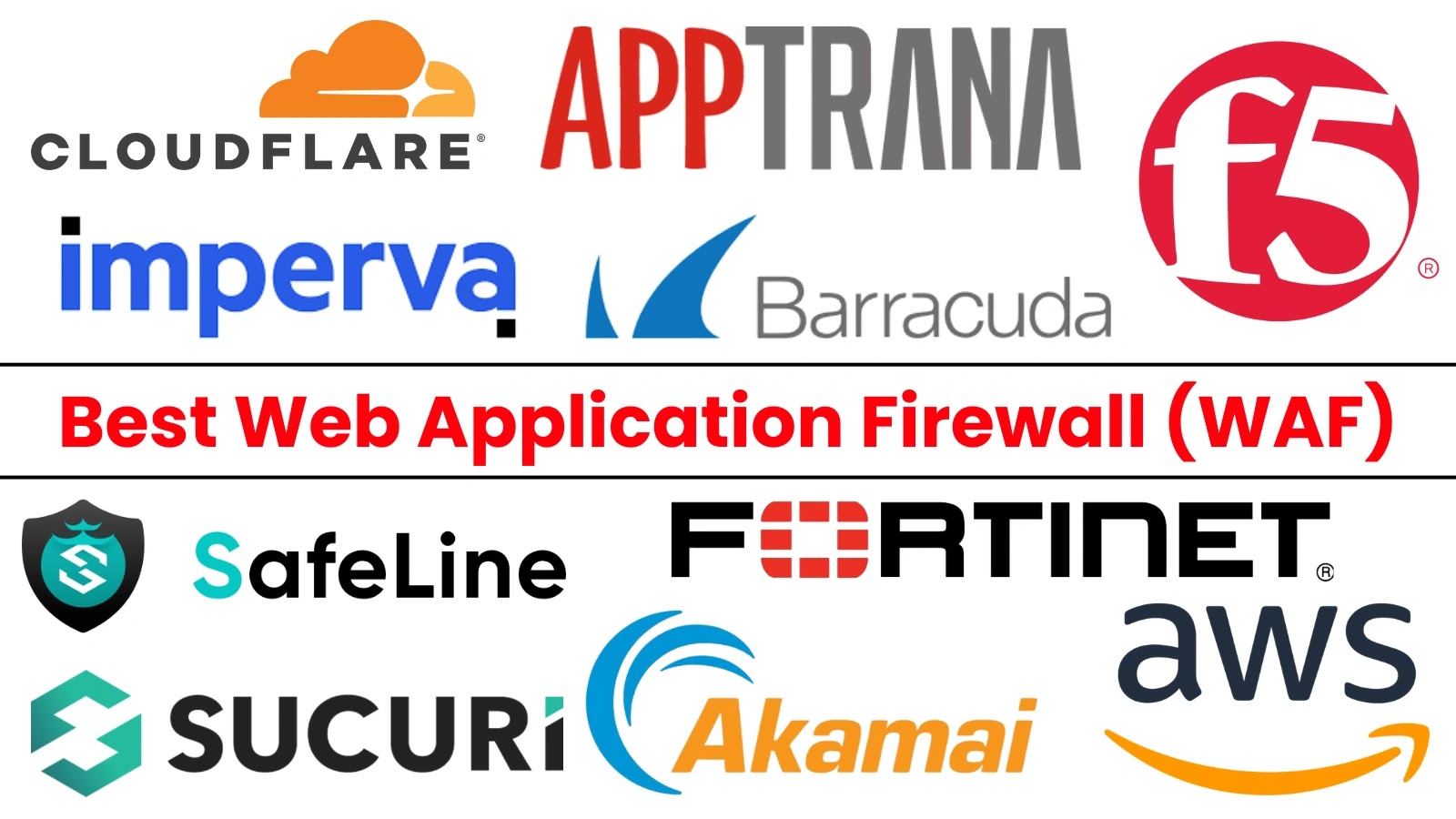
Top 10 Web Application Firewalls (WAFs) to Secure Your Web Applications in 2026
In the digital era, web applications are prime targets for cyber threats, making robust security measures essential. Web Application Firewalls (WAFs) serve as critical defenses, filtering and monitoring HTTP/S traffic to protect against attacks like SQL injection, cross-site scripting (XSS), and distributed denial-of-service (DDoS) attacks. This article explores the top 10 WAF solutions for 2026, highlighting their features and benefits to help you choose the best fit for your organization’s needs.
Understanding Web Application Firewalls (WAFs):
A WAF operates at the application layer (OSI Layer 7), analyzing incoming and outgoing web traffic based on predefined security rules. By inspecting HTTP methods, headers, query strings, and request bodies, WAFs can detect and block malicious activities before they reach the web server. They can be deployed as network-based, host-based, or cloud-based solutions, each offering unique advantages in terms of scalability, performance, and management.
Top 10 Web Application Firewalls for 2026:
1. AppTrana Managed WAF:
– Overview: AppTrana offers a fully managed WAF service that combines automated security with expert management.
– Key Features:
– Continuous monitoring and real-time threat detection.
– Customizable security policies tailored to specific application needs.
– Integrated DDoS protection and bot mitigation.
– Benefits: AppTrana’s managed approach ensures that security measures are always up-to-date, reducing the burden on internal teams and providing comprehensive protection against evolving threats.
2. Imperva Cloud WAF:
– Overview: Imperva’s cloud-based WAF provides robust protection against a wide range of web application threats with automated security updates.
– Key Features:
– Advanced bot protection to prevent automated attacks.
– API security to safeguard against API-specific vulnerabilities.
– Compliance support for standards like PCI DSS.
– Benefits: Imperva’s WAF offers a scalable solution that adapts to varying traffic volumes, ensuring consistent performance and security.
3. Cloudflare WAF:
– Overview: Cloudflare’s global cloud WAF provides real-time threat detection and mitigation, protecting against OWASP Top 10 vulnerabilities.
– Key Features:
– Integrated DDoS mitigation to handle large-scale attacks.
– Automatic updates to security rules based on emerging threats.
– User-friendly interface for easy configuration and monitoring.
– Benefits: Cloudflare’s extensive network ensures low latency and high availability, making it suitable for organizations of all sizes.
4. F5 Advanced WAF:
– Overview: F5’s Advanced WAF offers comprehensive security features, including bot protection, DDoS mitigation, and API security.
– Key Features:
– Behavioral analysis to detect and block sophisticated attacks.
– Credential stuffing protection to prevent account takeovers.
– Integration with other F5 security solutions for a unified defense strategy.
– Benefits: F5’s solution provides deep visibility into application traffic, enabling proactive threat management and rapid response to incidents.
5. AWS WAF:
– Overview: Amazon Web Services’ WAF is a cloud-native solution that protects applications running on AWS.
– Key Features:
– Customizable rules to address specific security requirements.
– Integration with AWS services like CloudFront and Application Load Balancer.
– Real-time metrics and logging for monitoring and analysis.
– Benefits: AWS WAF’s seamless integration with AWS infrastructure simplifies deployment and management, making it ideal for organizations leveraging AWS services.
6. Akamai Kona Site Defender:
– Overview: Akamai’s Kona Site Defender provides cloud-based protection against web application attacks and DDoS threats.
– Key Features:
– Adaptive security policies that evolve with emerging threats.
– Comprehensive threat intelligence from Akamai’s global network.
– High-performance architecture to handle large-scale traffic.
– Benefits: Akamai’s solution offers robust security without compromising performance, ensuring a seamless user experience.
7. Fortinet FortiWeb:
– Overview: Fortinet’s FortiWeb provides advanced WAF capabilities with integrated threat intelligence.
– Key Features:
– Machine learning-based anomaly detection.
– Protection against known and unknown vulnerabilities.
– Integration with Fortinet’s Security Fabric for comprehensive security.
– Benefits: FortiWeb’s AI-driven approach enhances detection accuracy, reducing false positives and improving overall security posture.
8. Barracuda Web Application Firewall:
– Overview: Barracuda’s WAF offers comprehensive protection with easy deployment options.
– Key Features:
– Pre-configured security templates for rapid setup.
– Advanced threat protection, including bot mitigation and DDoS defense.
– Centralized management for multiple applications.
– Benefits: Barracuda’s solution is user-friendly, making it suitable for organizations with limited security expertise.
9. Sucuri WAF:
– Overview: Sucuri’s cloud-based WAF focuses on website security, offering protection against various online threats.
– Key Features:
– Malware scanning and removal services.
– Performance optimization through content delivery network (CDN) integration.
– SSL support for secure data transmission.
– Benefits: Sucuri’s WAF is particularly beneficial for small to medium-sized businesses seeking an affordable and effective security solution.
10. SafeLine WAF:
– Overview: SafeLine is a free, open-source WAF developed by Chaitin Tech, offering robust protection with a zero-trust security model.
– Key Features:
– Semantic analysis engine for detecting zero-day exploits.
– Identity authentication with Single Sign-On (SSO) and two-factor authentication (2FA).
– Simple installation and configuration process.
– Benefits: SafeLine’s community-driven development ensures continuous innovation, making it a cost-effective choice for organizations of all sizes.
Conclusion:
Selecting the right WAF is crucial for safeguarding web applications against an ever-evolving threat landscape. The solutions listed above offer a range of features and deployment options to suit various organizational needs. By implementing a robust WAF, businesses can enhance their security posture, protect sensitive data, and ensure the availability and integrity of their web applications.