Top 10 Unified Threat Management (UTM) Firewalls for 2026
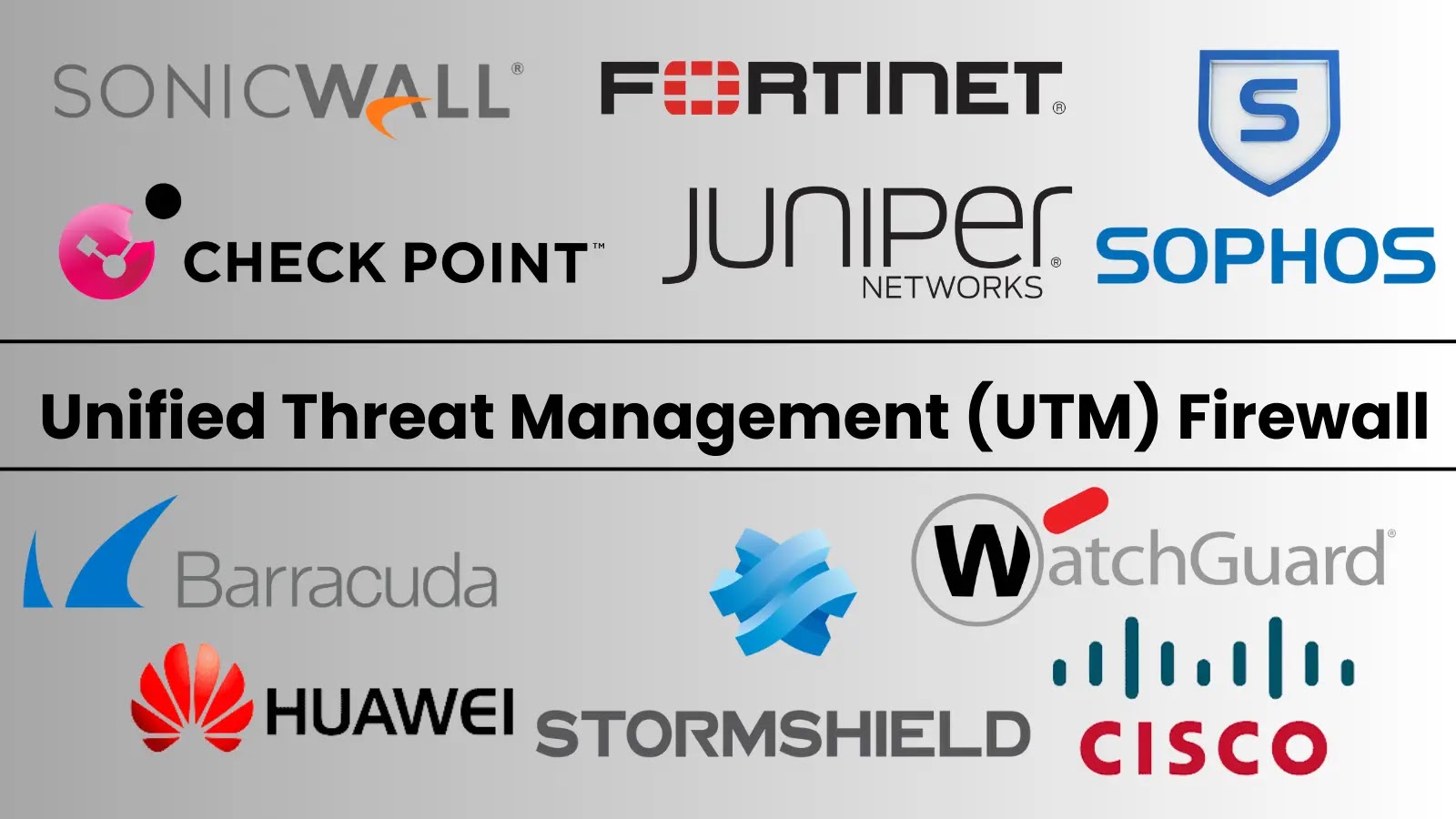
In today’s rapidly evolving digital landscape, organizations face an ever-growing array of cyber threats. To combat these challenges, many businesses are turning to Unified Threat Management (UTM) firewalls. These comprehensive security solutions integrate multiple protective functions into a single platform, simplifying management while delivering robust defense mechanisms. This article explores the top 10 UTM firewalls for 2026, highlighting their features, advantages, and areas for improvement.
1. SonicWall UTM
SonicWall has long been a pioneer in network security, offering UTM solutions tailored for both large enterprises and medium-sized businesses. Their commitment to innovation ensures that their firewalls remain at the forefront of the industry.
Key Features:
– Stateful Inspection Firewall: Monitors and controls network traffic based on predefined security rules.
– Intrusion Prevention System (IPS): Detects and mitigates known and emerging network-based threats.
– Secure Remote Access: Facilitates VPN tunnels for both remote access and site-to-site communication.
– Anti-Malware and Anti-Virus Engines: Identifies and neutralizes malicious software and files.
Pros:
– Proactive threat intelligence capabilities.
– Diverse range of UTM products to suit various organizational needs.
– Comprehensive security solution within a single product.
Cons:
– Migration processes can be complex.
– Limited integration options with third-party applications.
2. Sophos UTM
While Sophos is renowned for its endpoint security solutions, it also offers versatile UTM products. The user-friendly interface allows for the implementation of customized security controls with ease.
Key Features:
– Integrated Firewall: Provides robust network protection.
– Web Filtering: Controls access to web content based on organizational policies.
– Email Protection: Safeguards against spam and phishing attacks.
– Advanced Threat Protection: Detects and responds to sophisticated threats in real-time.
Pros:
– Intuitive management interface.
– Flexible deployment options, including hardware, software, and virtual appliances.
– Regular updates to address emerging threats.
Cons:
– Reporting features may lack depth.
– Some advanced features require additional licensing.
3. Check Point UTM
Check Point’s UTM solutions are recognized for their superior security capabilities, often surpassing traditional next-generation firewalls. Their position as a leader in the Gartner UTM Magic Quadrant underscores their industry prominence.
Key Features:
– Stateful Inspection Firewall: Filters network traffic based on established policies.
– Intrusion Prevention System (IPS): Analyzes network data in real-time to detect and prevent attacks.
– Secure Remote Access: Supports VPN tunnels for remote and site-to-site connectivity.
– Anti-Malware and Anti-Virus Engines: Detects and blocks malicious software and files.
Pros:
– Effective intrusion detection and prevention systems.
– Adaptable threat management solutions.
– Comprehensive security features within a single UTM product.
Cons:
– Data visualization tools could be more intuitive.
– User interface may not be as user-friendly as competitors.
4. Fortinet FortiGate UTM
Fortinet’s FortiGate UTM stands out due to its high-performance security processor, which not only shields networks from attacks but also enhances overall performance.
Key Features:
– Advanced Firewall Features: Filters network data based on customizable rules and policies.
– Intrusion Prevention System (IPS): Monitors network data in real-time to detect and prevent exploits.
– Secure VPN Tunnels: Facilitates secure remote access and site-to-site communication.
– Anti-Malware and Anti-Virus Engines: Identifies and neutralizes malicious software and files.
Pros:
– Detailed data and reporting capabilities.
– Multiple integration options with other security tools.
– Simplified and user-friendly interface.
Cons:
– Some features may be complex for novice users.
– Limited product offerings compared to competitors.
5. Cisco Meraki MX
Cisco Meraki MX series offers cloud-managed UTM solutions that are ideal for organizations seeking centralized management and scalability.
Key Features:
– Cloud-Based Management: Allows for remote configuration and monitoring.
– Content Filtering: Controls access to web content based on categories and policies.
– Advanced Malware Protection: Provides real-time threat intelligence and protection.
– Auto VPN: Simplifies the establishment of secure VPN connections.
Pros:
– Seamless integration with other Cisco Meraki products.
– Scalable solutions suitable for businesses of all sizes.
– Regular firmware updates to address emerging threats.
Cons:
– Dependence on cloud connectivity for management.
– Higher cost compared to some competitors.
6. WatchGuard Firebox UTM
WatchGuard’s Firebox UTM appliances are designed to provide comprehensive security without compromising network performance.
Key Features:
– Multi-Layered Security: Combines firewall, IPS, antivirus, and more.
– Application Control: Monitors and controls applications to enforce policies.
– Data Loss Prevention (DLP): Prevents unauthorized transmission of sensitive data.
– Threat Detection and Response: Identifies and mitigates threats in real-time.
Pros:
– High-performance hardware suitable for demanding environments.
– Intuitive management interface.
– Flexible deployment options.
Cons:
– Some advanced features may require additional licensing.
– Reporting capabilities could be enhanced.
7. Barracuda CloudGen Firewall
Barracuda’s CloudGen Firewall offers UTM capabilities with a focus on cloud integration and scalability.
Key Features:
– Advanced Threat Protection: Utilizes sandboxing to detect zero-day threats.
– Web Filtering: Controls access to web content and applications.
– Secure SD-WAN: Optimizes and secures wide-area network connections.
– Email Security: Protects against email-borne threats.
Pros:
– Strong integration with cloud services.
– Scalable solutions suitable for growing businesses.
– Comprehensive security features within a single platform.
Cons:
– Initial setup may be complex for some users.
– Some features may require additional configuration.
8. Palo Alto Networks PA Series
Palo Alto Networks’ PA Series firewalls offer UTM capabilities with a focus on application visibility and control.
Key Features:
– App-ID Technology: Identifies and controls applications regardless of port or protocol.
– User-ID: Associates network activity with user identities.
– Content-ID: Provides real-time threat prevention and data filtering.
– WildFire: Detects and prevents unknown malware.
Pros:
– High-performance hardware suitable for large enterprises.
– Granular control over applications and users.
– Regular updates to address emerging threats.
Cons:
– Higher cost compared to some competitors.
– Steeper learning curve for new users.
9. Juniper Networks SRX Series
Juniper’s SRX Series offers UTM capabilities with a focus on high-performance security and scalability.
Key Features:
– Unified Threat Management: Integrates firewall, IPS, antivirus, and more.
– AppSecure: Provides application visibility and control.
– User Role-Based Access Control: Enforces policies based on user roles.
– Advanced Threat Prevention: Detects and mitigates advanced threats.
Pros:
– Scalable solutions suitable for large enterprises.
– High-performance hardware and software.
– Flexible deployment options.
Cons:
– Complex initial setup and configuration.
– Some features may require additional licensing.
10. Zyxel ZyWALL UTM
Zyxel’s ZyWALL UTM series offers cost-effective security solutions suitable for small to medium-sized businesses.
Key Features:
– Comprehensive Security Features: Includes firewall, VPN, antivirus, and more.
– Content Filtering: Controls access to web content based on categories.
– Application Intelligence: Monitors and controls applications to enforce policies.
– Anti-Spam: Filters out unwanted email messages.
Pros:
– Affordable solutions suitable for SMBs.
– User-friendly management interface.
– Regular firmware updates to address emerging threats.
Cons:
– Limited scalability for larger enterprises.
– Some advanced features may be lacking compared to competitors.
Conclusion
Selecting the right UTM firewall is crucial for organizations aiming to protect their networks from a myriad of cyber threats. The solutions highlighted above offer a range of features and capabilities tailored to different organizational needs. When choosing a UTM firewall, consider factors such as scalability, ease of management, integration capabilities, and cost to ensure the selected solution aligns with your organization’s security requirements and operational goals.