Hesai’s Strategic Expansion: Doubling LiDAR Production Amid Industry Shifts
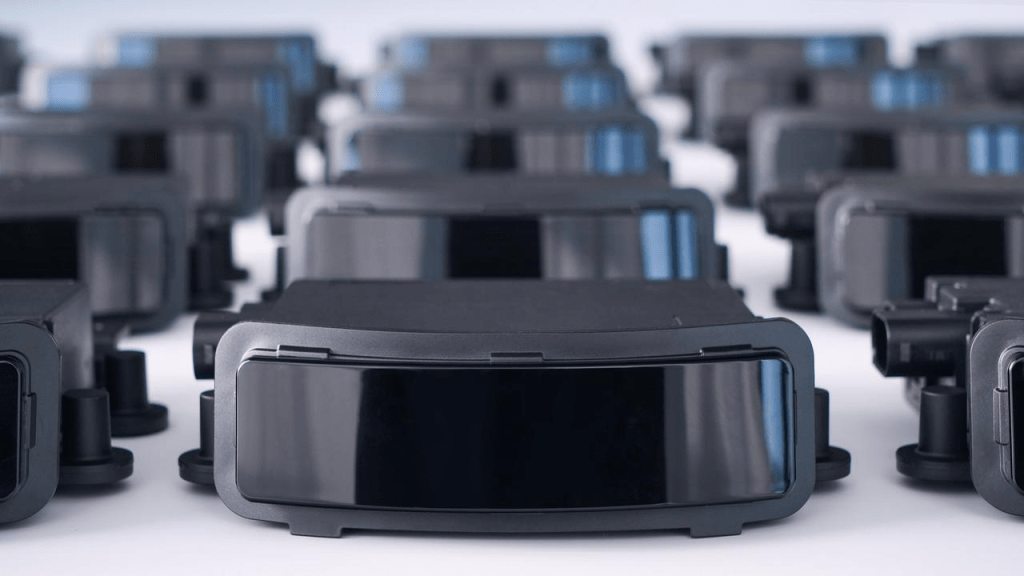
In a bold move to solidify its position in the global LiDAR sensor market, Chinese manufacturer Hesai has announced plans to double its production capacity from 2 million to 4 million units within the year. This ambitious expansion follows a significant milestone in 2025, where the company surpassed the production of over 1 million units.
Hesai’s aggressive growth strategy comes on the heels of the recent bankruptcy filing by U.S.-based LiDAR producer Luminar. Luminar’s Chapter 11 filing has left a void in the market, presenting an opportunity for Hesai to capture a larger share. Despite facing allegations from the U.S. government regarding ties to China’s military industry—a claim Hesai has consistently denied—the company has successfully secured substantial investments, leading to its listings on both the Nasdaq and Hong Kong stock exchanges.
At the 2026 Consumer Electronics Show (CES) in Las Vegas, Hesai attributed its decision to double production to the accelerating demand in both the automotive and robotics sectors. The Chinese automotive market, in particular, has seen a surge in LiDAR adoption, with 25% of new electric vehicles (EVs) now equipped with these sensors. Hesai anticipates that upcoming vehicle models will integrate between three to six LiDAR sensors each, significantly expanding the company’s market potential. Currently, Hesai collaborates with 24 automotive clients, including a prominent European automaker, and has received 4 million orders for its latest ATX LiDAR sensor.
The automotive industry’s reception of LiDAR technology has been inconsistent outside of China. Luminar’s bankruptcy filings revealed that despite securing agreements with manufacturers like Volvo, Polestar, and Mercedes-Benz, these partnerships did not materialize as expected. For instance, Volvo’s initial commitment to purchase 1.1 million LiDAR sensors from Luminar was drastically reduced to approximately 10,000 units due to project delays and cost overruns.
Beyond automotive applications, the robotics industry presents a promising avenue for LiDAR technology. Companies like Ouster, which merged with Velodyne in 2023, estimate a $14 billion market opportunity encompassing humanoid robots, last-mile delivery solutions, and military applications. At CES, Hesai showcased innovative products such as a robotic lawnmower and a robotic dog, both utilizing the company’s JT series LiDAR sensors. The company also hinted at potential integrations with humanoid robots and has established partnerships with autonomous vehicle firms like Pony AI, Motional, WeRide, and Baidu.
Hesai’s commitment to reducing LiDAR costs has been a significant factor in its growth. Over the past eight years, the company has achieved a 99.5% reduction in sensor costs, making the technology more accessible and appealing to a broader range of industries. This cost reduction strategy has intensified competition, contributing to challenges faced by companies like Luminar, which cited pricing pressures from Chinese competitors as a key factor in its financial struggles.
As Hesai embarks on this substantial production expansion, the company is poised to play a pivotal role in the evolving LiDAR landscape, meeting the growing demands of both the automotive and robotics industries.