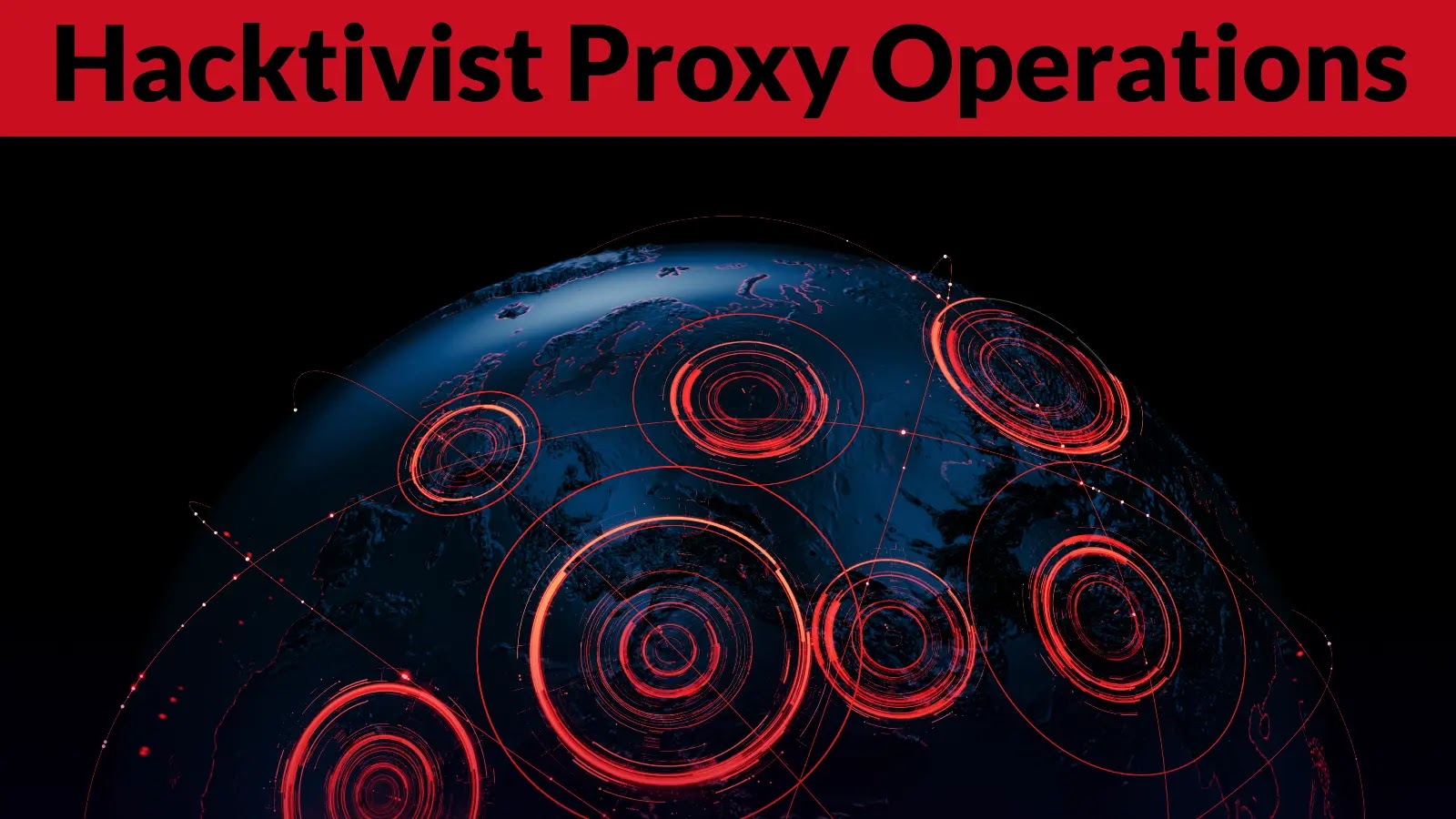
Hacktivist Proxy Operations: A New Era of Geopolitical Cyber Warfare
In the evolving landscape of cyber warfare, a new paradigm has emerged where hacktivist groups function as strategic instruments of state influence. These entities orchestrate cyber attacks that coincide with geopolitical events such as economic sanctions, military aid announcements, and diplomatic statements. Unlike traditional cybercrime or isolated acts of digital activism, these operations exhibit a consistent and repeatable pattern, indicating deliberate coordination rather than spontaneous actions.
Geopolitical Triggers and Precision Timing
Hacktivist campaigns are often activated by specific geopolitical events. For instance, when a nation imposes economic sanctions or declares military support, there is a swift shift in the messaging within hacktivist communication channels. This rapid response leads to a series of cyber disruptions targeting government websites, financial institutions, transportation networks, and media outlets. These attacks typically occur within days of the triggering event, overwhelming public infrastructure and drawing significant attention.
Tactics and Techniques
The methods employed by these groups are generally low in complexity but high in impact. Common tactics include distributed denial-of-service (DDoS) attacks, website defacements, and claims of data breaches. The primary objective is to generate maximum visibility and public impact rather than to achieve technical sophistication. This approach allows for rapid execution and minimizes the resources required for each operation.
Strategic Value and Deniability
The strategic advantage of these operations lies in their timing and the plausible deniability they offer. Hacktivist groups present themselves as independent, ideologically driven entities, enabling states to benefit from the resulting disruptions without direct attribution. This arrangement exploits the asymmetry in cyber economics, where launching attacks is significantly less costly than defending against them. Furthermore, the public declarations and media coverage amplify the psychological impact, often exceeding the actual technical damage inflicted.
Operational Characteristics and Patterns
Analysts have identified distinct characteristics that set these operations apart from traditional activism or financially motivated cybercrime. Key features include:
– Consistent Activation Sequences: The timing of attacks aligns closely with specific geopolitical events, suggesting a deliberate and repeatable activation process.
– Target Prioritization: The selection of targets is strategically aligned with the objectives of the sponsoring state, focusing on sectors that will maximize disruption and visibility.
– Controlled De-escalation: Once the signaling goals are achieved, the attacks are systematically scaled down, indicating a level of control and coordination.
This pattern has been observed across various geopolitical contexts and regions, demonstrating that these are not isolated incidents but part of a normalized model of cyber operations.
Infrastructure and Attribution Challenges
The operational design of these hacktivist groups involves the deliberate use of publicly available tools, shared botnets, and common cyber attack techniques. This strategy serves multiple purposes:
– Rapid Scaling: Utilizing readily available resources allows for quick mobilization and scaling of operations through volunteer participation.
– Obscured Attribution: By employing common tools and methods, these groups blend in with routine cybercriminal activity, making it challenging to trace attacks back to a specific state actor and thereby avoiding diplomatic repercussions.
Amplification Through Public Channels
The impact of these cyber operations is often magnified through real-time public amplification via social media and messaging platforms. Even limited technical successes can be transformed into perceived victories that strain organizational resources and damage institutional confidence. The psychological effect of these attacks often surpasses the actual operational consequences, creating a sense of vulnerability and urgency among the targeted entities.
Cumulative Impact and Strategic Implications
While individual attacks may not cause permanent technical damage, their cumulative effect during politically sensitive periods forces organizations into reactive defensive postures. Repeated low-intensity disruptions divert security personnel from core priorities, exhaust incident response teams, and create persistent reputational pressure. This sustained pressure accumulates costs and challenges without crossing escalation thresholds that would necessitate a more aggressive response.
Recommendations for Organizations
For critical infrastructure operators and government institutions, the primary risk is not catastrophic failure but the persistent pressure that these operations exert. To effectively counter this emerging threat model, organizations should:
– Recognize Distinct Threat Models: Understand that these campaigns represent a unique form of cyber threat that requires tailored strategies.
– Integrate Geopolitical Context: Incorporate geopolitical awareness into cybersecurity planning to anticipate potential triggers and prepare accordingly.
– Develop Operational Resilience: Focus on building resilience to withstand and recover from repeated low-intensity disruptions without significant impact on core operations.
By adopting a comprehensive approach that combines strategic awareness with operational preparedness, organizations can better navigate the challenges posed by this new era of geopolitical cyber warfare.