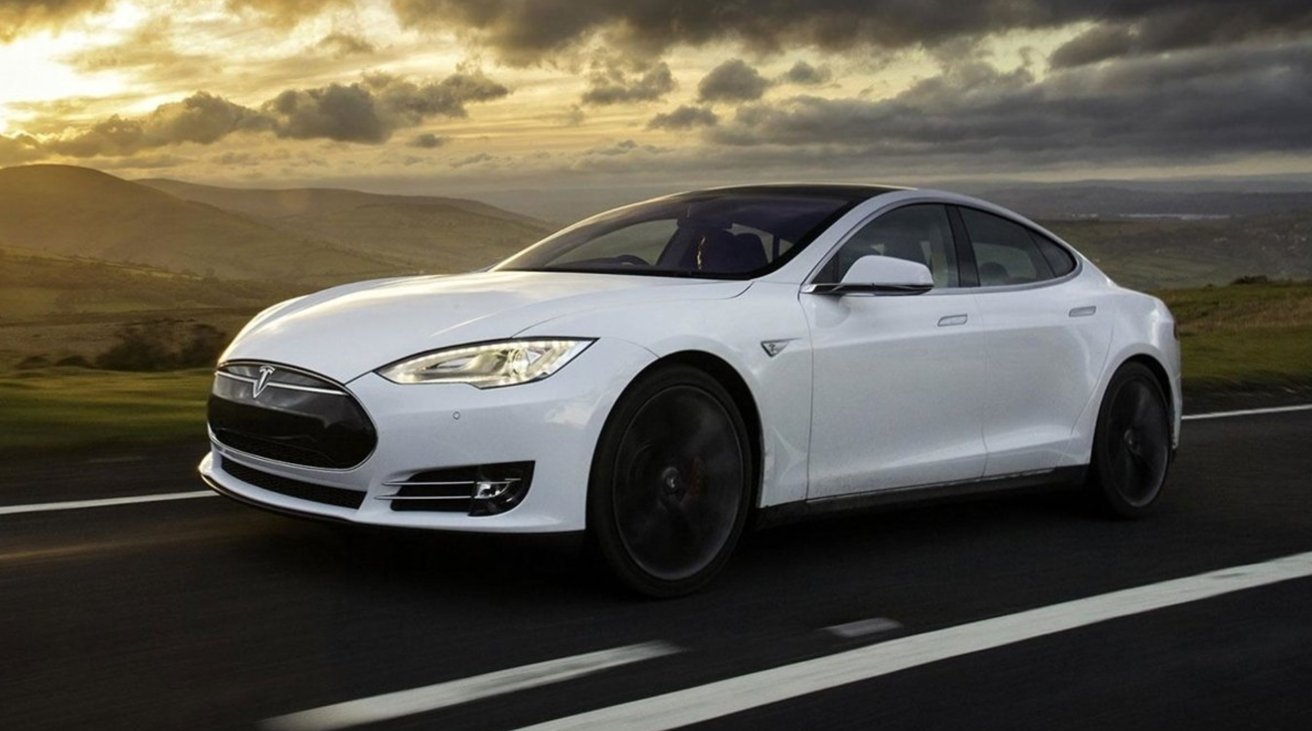
Article Title: Tesla’s Potential Integration of Apple’s Car Key: A New Era of Digital Vehicle Access
In the rapidly evolving landscape of automotive technology, Tesla appears to be on the brink of a significant advancement: integrating Apple’s Car Key feature into its vehicles. This development could revolutionize how Tesla owners access and operate their cars, leveraging the seamless capabilities of Apple’s ecosystem.
Understanding Apple’s Car Key
Introduced in 2020, Apple’s Car Key allows iPhone and Apple Watch users to unlock, lock, and start their vehicles using their devices. This feature utilizes Near Field Communication (NFC) and, in newer models, Ultra Wideband (UWB) technology for enhanced precision and security. Stored securely within the Apple Wallet app, Car Key offers a convenient and secure method for vehicle access without the need for physical keys.
Tesla’s Current Digital Key System
Tesla has been at the forefront of digital vehicle access, offering a proprietary Phone Key system that enables owners to use their smartphones as keys. This system relies on Bluetooth connectivity between the Tesla app and the vehicle, allowing for keyless entry and operation. While effective, this method requires the Tesla app to be running in the background and may not offer the same level of integration as native operating system features.
Evidence of Integration Efforts
Recent analyses of Tesla’s mobile app code have unveiled references to Harmony Wallet Key Cards, indicating a move towards integrating native digital key solutions. Initially, this integration appears to target Huawei’s HarmonyOS, reflecting Tesla’s strategy of introducing new features in the Chinese market before global deployment. This approach is logical, considering Huawei’s significant market share in China, which stood at 18.2% in early 2025, compared to Apple’s 17.2%.
Implications for Apple Users
The inclusion of HarmonyOS support suggests that Tesla is open to embracing native digital key technologies. This openness could pave the way for future support of Apple’s Car Key, offering Tesla owners who use iPhones and Apple Watches a more integrated and seamless experience. Such integration would allow users to access their vehicles directly through the Apple Wallet app, eliminating the need for the Tesla app to be active in the background.
Industry Trends and Comparisons
Tesla’s potential adoption of Apple’s Car Key aligns with broader industry trends. At the Worldwide Developers Conference (WWDC) in 2025, Apple announced that 13 additional vehicle brands, including Cadillac, would soon support Car Key. This expansion underscores the automotive industry’s shift towards standardized digital key solutions that enhance user convenience and security.
Technical Considerations
Integrating Apple’s Car Key into Tesla vehicles would involve several technical considerations:
1. NFC and UWB Compatibility: Ensuring that Tesla’s hardware supports NFC and UWB technologies is crucial for seamless Car Key functionality. UWB, in particular, offers precise spatial awareness, enhancing the reliability of digital keys.
2. Software Integration: Tesla would need to collaborate closely with Apple to integrate Car Key support into its vehicle software, ensuring compatibility and security.
3. User Experience: Providing a straightforward setup process for users to add their Tesla keys to the Apple Wallet would be essential for widespread adoption.
Potential Benefits
The integration of Apple’s Car Key into Tesla vehicles could offer several benefits:
– Enhanced Convenience: Users could access and start their vehicles directly from their iPhone or Apple Watch without opening the Tesla app.
– Improved Security: Utilizing Apple’s secure enclave and UWB technology could enhance the security of vehicle access.
– Ecosystem Synergy: For users deeply embedded in the Apple ecosystem, this integration would provide a more cohesive and intuitive experience.
Challenges and Considerations
While the potential benefits are significant, there are challenges to consider:
– Technical Hurdles: Ensuring hardware compatibility and software integration without compromising existing functionalities.
– User Education: Educating users on setting up and using the new feature effectively.
– Privacy Concerns: Addressing any privacy concerns related to digital keys and personal data security.
Conclusion
Tesla’s exploration into integrating Apple’s Car Key represents a promising step towards more unified and user-friendly vehicle access solutions. By embracing native digital key technologies, Tesla not only enhances the user experience but also aligns itself with industry standards, potentially setting a precedent for other automakers. As this development unfolds, Tesla owners and tech enthusiasts alike will be keenly watching for official announcements and the subsequent rollout of this feature.