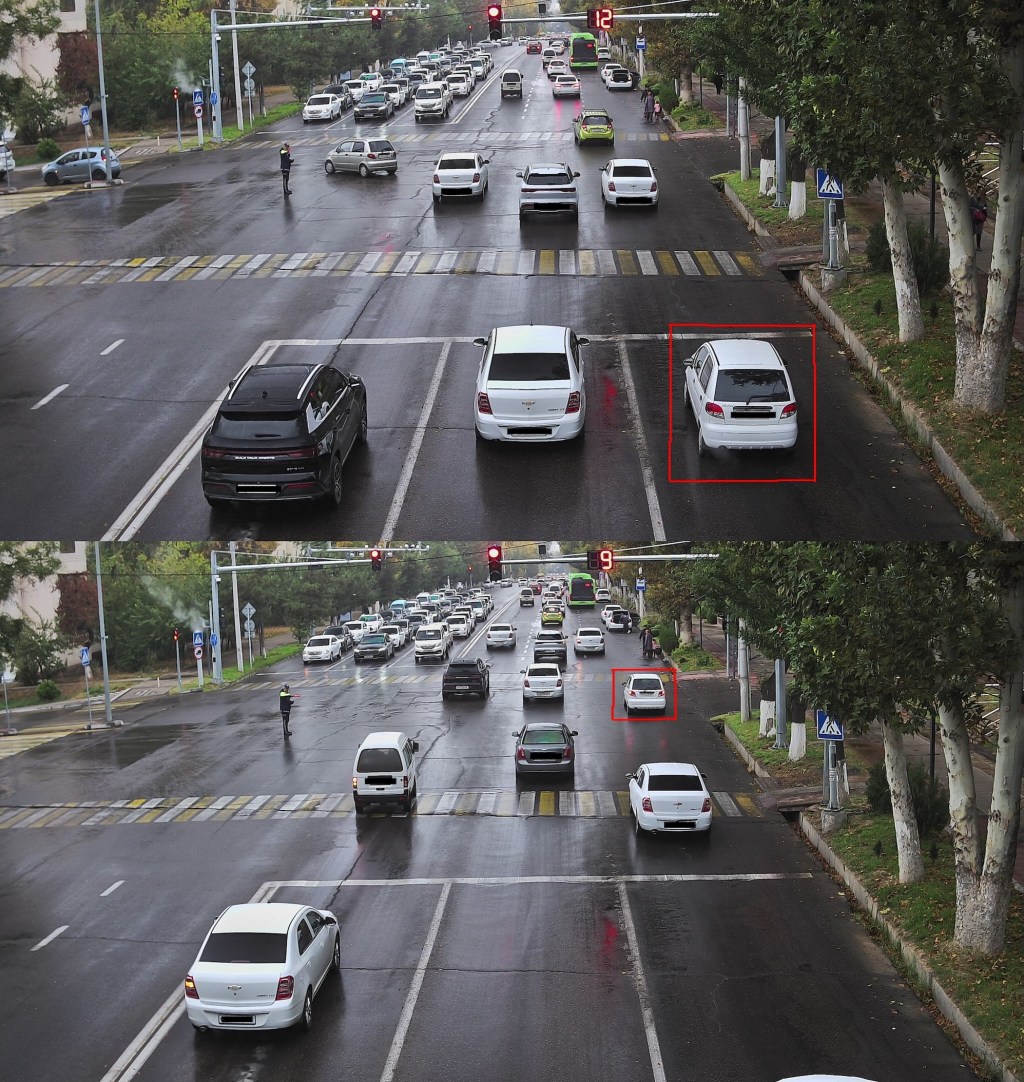
Uzbekistan’s License Plate Surveillance System Exposed: A Deep Dive into Security and Privacy Concerns
In Uzbekistan, a comprehensive network of high-resolution roadside cameras has been deployed to monitor vehicular activities across the nation. These cameras are designed to detect traffic violations such as running red lights, seatbelt infractions, and unauthorized nighttime driving. However, a significant security lapse has brought this surveillance system into the spotlight, raising critical questions about data privacy and system integrity.
The Surveillance Infrastructure
The surveillance system comprises approximately one hundred strategically placed cameras throughout major cities and key transit routes in Uzbekistan. These devices continuously capture and analyze license plate information and, in some instances, images of vehicle occupants. The primary objective is to identify and document traffic violations, thereby enhancing road safety and enforcing traffic laws.
Discovery of the Security Breach
Security researcher Anurag Sen recently uncovered that this extensive surveillance system was accessible online without any password protection. This vulnerability allowed unrestricted access to a vast database containing millions of photographs and video footage of vehicles in transit. The exposed data included detailed records of vehicle movements, enabling the tracking of individual vehicles over extended periods.
The system’s database was reportedly established in September 2024, with active traffic monitoring commencing by mid-2025. The duration for which this data remained publicly accessible is unclear, but the implications of such exposure are profound, offering unprecedented insight into the operations of national license plate surveillance systems.
Implications for Privacy and Security
The exposure of Uzbekistan’s surveillance data underscores significant privacy and security concerns. The ability to track individuals’ movements without their knowledge or consent poses a substantial risk to personal privacy. Moreover, the potential for misuse of such data by unauthorized parties highlights the necessity for robust security measures in the deployment of surveillance technologies.
This incident also serves as a cautionary tale for other nations implementing similar surveillance infrastructures. In the United States, for example, the expansion of nationwide license plate readers has been met with scrutiny. Notably, surveillance company Flock faced criticism when it was revealed that several of its license plate reading cameras were publicly accessible online, allowing real-time tracking of individuals without proper safeguards.
Government Response and Accountability
The Department of Public Security within Uzbekistan’s Ministry of Internal Affairs, responsible for overseeing the surveillance system, has not responded to inquiries regarding the security lapse. Similarly, Uzbekistan’s computer emergency readiness team, UZCERT, acknowledged receipt of alerts about the exposure but has not provided further comments or actions taken to address the issue.
The lack of response from official channels raises concerns about accountability and the measures in place to protect citizens’ data. It also highlights the challenges in ensuring that surveillance technologies are implemented with adequate security protocols to prevent unauthorized access and potential misuse.
Technological Aspects of the Surveillance System
The surveillance infrastructure is identified as an intelligence traffic management system developed by Maxvision, a Shenzhen-based company specializing in internet-connected traffic technologies and surveillance products. Maxvision’s cameras are capable of recording high-resolution footage of traffic violations and displaying real-time information about infractions.
The system’s capabilities include capturing 4K resolution video footage and still images of vehicles committing traffic violations. The cameras are strategically positioned in urban centers like Tashkent, as well as in rural areas and along critical transit routes, ensuring comprehensive coverage of vehicular movements across the country.
Broader Context and Similar Incidents
The exposure of Uzbekistan’s surveillance system is not an isolated incident. Globally, there have been multiple instances where surveillance technologies have been compromised due to inadequate security measures.
In the United States, the Customs and Border Protection (CBP) agency faced a data breach in 2019, where traveler photos and license plate images were stolen. The breach occurred after a subcontractor transferred copies of the data to its network, which was subsequently attacked. This incident highlighted the vulnerabilities associated with outsourcing data management and the importance of stringent security protocols.
Similarly, in 2023, ODIN Intelligence, a tech company providing services to police departments, experienced a significant data breach. The breach exposed detailed tactical plans for police raids, confidential reports, and personal information about individuals under surveillance. This incident underscored the risks associated with storing sensitive law enforcement data without adequate security measures.
Ethical Considerations and the Need for Oversight
The proliferation of surveillance technologies necessitates a balanced approach that considers both security benefits and privacy rights. Ethical considerations must guide the deployment and management of such systems to prevent potential abuses and ensure public trust.
In 2019, Axon, a company known for its law enforcement technologies, added license plate recognition capabilities to its dash cameras. However, the company’s independent ethics board released a report warning of the potential consequences if the technology were deployed irresponsibly. This example illustrates the importance of ethical oversight in the development and implementation of surveillance technologies.
Conclusion
The exposure of Uzbekistan’s nationwide license plate surveillance system serves as a stark reminder of the critical importance of implementing robust security measures in surveillance infrastructures. It highlights the potential risks to privacy and security when such systems are left vulnerable to unauthorized access.
As nations continue to adopt and expand surveillance technologies, it is imperative to establish comprehensive security protocols, ensure transparency, and engage in ethical considerations to protect individual rights and maintain public trust.