Samsung’s Galaxy Z TriFold: A Durability Assessment
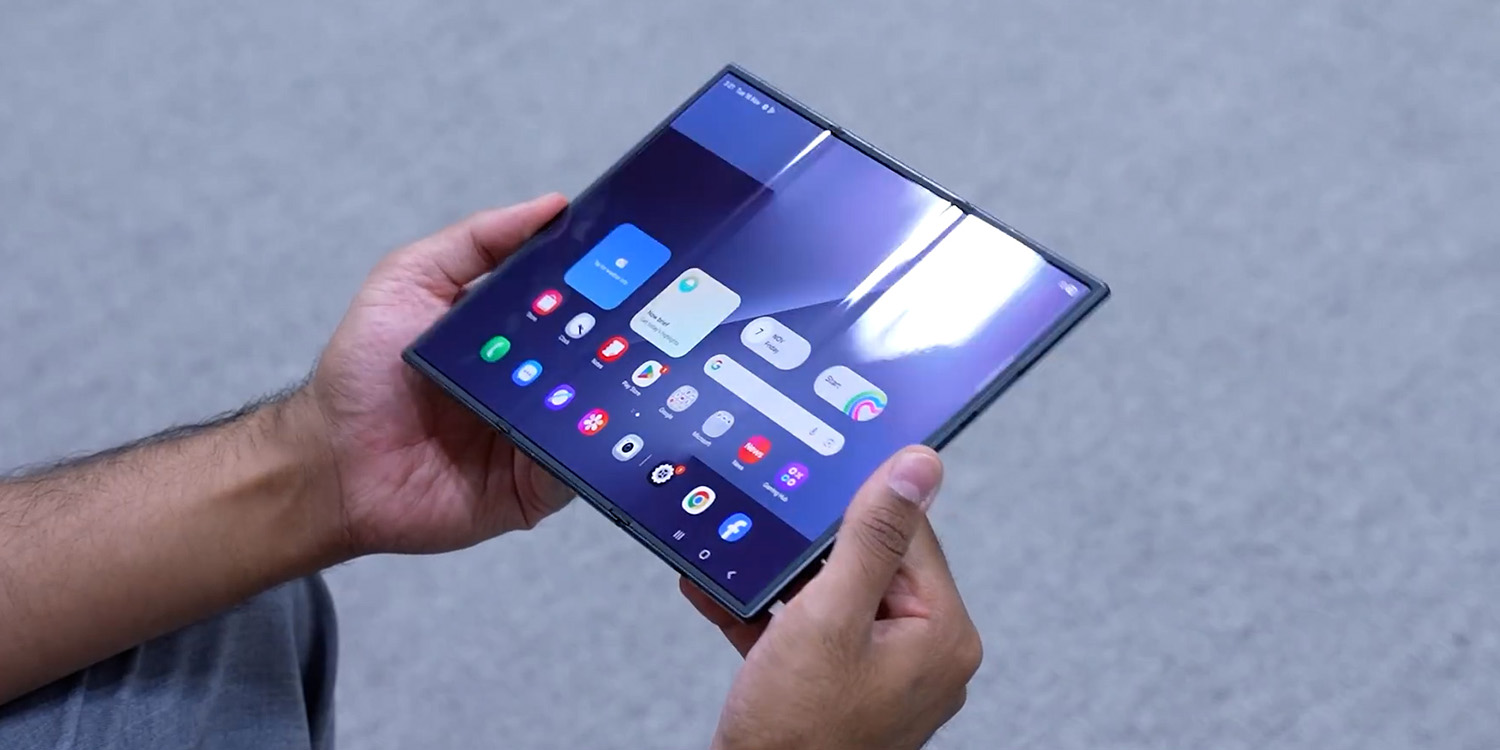
Samsung’s latest innovation, the Galaxy Z TriFold, has entered the market, sparking curiosity about its durability. A recent endurance test by the Korean YouTube channel OMG_electronics offers insights into the device’s resilience.
Samsung’s Durability Claims
Upon unveiling the Galaxy Z TriFold, Samsung asserted that the device underwent a 200,000-fold test, simulating approximately 100 folds per day over five years. This benchmark, while substantial, is notably less than the Galaxy Z Fold 7’s 500,000-fold test. Given the TriFold’s status as a first-generation product with a more intricate design, expectations regarding its durability are naturally tempered.
The Endurance Test
In a live-streamed experiment, the team at OMG_electronics subjected the Galaxy Z TriFold to continuous folding and unfolding cycles to evaluate its endurance. The test spanned several days, with multiple hosts participating in the repetitive process.
Observations and Findings
– Initial Signs of Wear: After approximately 61,000 folds, the device’s hinge began emitting subtle creaking noises.
– Progression of Creaking: By around 121,000 folds, the creaking extended to the second hinge, indicating increased strain.
– Hinge Elasticity Compromise: At approximately 144,000 folds, the hinge’s elasticity diminished. This resulted in the device not remaining fully open without applied force and experiencing increased resistance during opening and closing.
Despite these issues, the display continued to function without interruption, suggesting that while the hinge experienced wear, the core functionality remained intact.
Contextualizing the Results
It’s essential to consider the conditions of the test. The device was subjected to continuous folding over eight consecutive days—a scenario far more rigorous than typical daily usage. In real-world conditions, where users fold their devices significantly fewer times per day, the Galaxy Z TriFold is likely to meet or even exceed Samsung’s 200,000-fold durability claim.
Comparative Durability in Samsung’s Foldable Lineup
Samsung’s journey in foldable technology has seen varying durability benchmarks:
– Galaxy Z Fold 7: Rated for 500,000 folds, indicating a 150% increase from previous models. ([9to5google.com](https://9to5google.com/2025/07/21/galaxy-z-fold-7-display-durability-500k-folds/?utm_source=openai))
– Galaxy Z Flip 7: Demonstrated resilience by surviving over 400,000 folds in durability tests. ([9to5google.com](https://9to5google.com/2025/08/04/galaxy-z-flip-7-durability-test/?utm_source=openai))
– Galaxy Z Fold 6: Faced concerns regarding dust ingress affecting hinge performance. ([9to5google.com](https://9to5google.com/2024/07/31/galaxy-z-fold-6-durability-test-video/?utm_source=openai))
– Galaxy Z Fold 4: Showed improved dust resistance but still lacked official dustproof certification. ([9to5google.com](https://9to5google.com/2022/08/30/galaxy-z-fold-4-dust-test/?utm_source=openai))
Implications for Consumers
For potential buyers, these findings offer a nuanced perspective:
– Durability Expectations: While the Galaxy Z TriFold may not match the fold endurance of some predecessors, it demonstrates sufficient durability for standard usage patterns.
– Design Complexity: The TriFold’s innovative design introduces new mechanical challenges, which may account for the observed wear during extreme testing.
– Maintenance Considerations: Users should be mindful of potential hinge wear over time and consider protective measures to prolong device longevity.
Conclusion
The Galaxy Z TriFold represents a significant step in Samsung’s foldable device evolution. While extreme testing reveals areas for potential improvement, the device’s performance under such conditions suggests it is well-equipped to handle everyday use. As with all first-generation products, user feedback and real-world usage will be crucial in informing future iterations and enhancements.