Trump Administration Suspends Offshore Wind Leases Citing Radar Interference Concerns
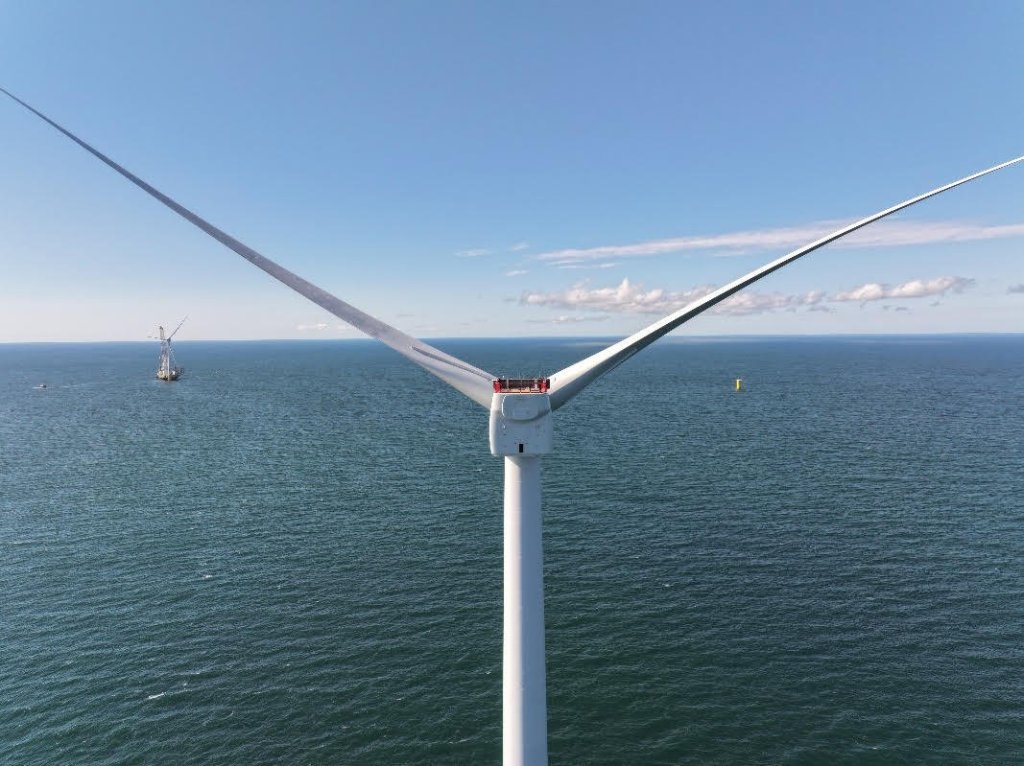
In a move that has reignited debates over the future of renewable energy in the United States, the Trump administration has once again halted offshore wind energy projects, totaling nearly 6 gigawatts (GW) of potential power generation. This decision comes just two weeks after a judicial ruling overturned a previous executive order that had similarly obstructed offshore wind development.
Background and Affected Projects
The Department of the Interior announced the suspension of leases for five major offshore wind projects along the Eastern Seaboard. These projects include:
– Revolution Wind: Located off the coasts of Connecticut and Rhode Island.
– Coastal Virginia Offshore Wind: Situated near Virginia’s shoreline.
– Vineyard Wind: Positioned off Massachusetts.
– Empire Wind and Sunrise Wind: Both located in New York waters.
Collectively, these projects represent a significant portion of the nation’s renewable energy pipeline, especially in regions experiencing rapid data center growth and increased energy demands.
Rationale Behind the Suspension
Interior Secretary Doug Burgum cited emerging national security risks as the primary reason for the suspension. He highlighted concerns over the rapid evolution of adversary technologies and the vulnerabilities posed by large-scale offshore wind projects near densely populated East Coast areas.
The Department of the Interior referenced both unclassified government reports and recently completed classified reports from the Pentagon to justify the action. However, specific details or links to these reports were not provided. The department emphasized the need for time to collaborate with stakeholders to address these national security concerns.
Historical Context and Ongoing Mitigation Efforts
Radar interference caused by wind turbines is not a new issue. For over a decade, researchers and developers have been working to understand and mitigate the effects of wind turbines on radar systems. The Department of Energy’s February 2024 report acknowledged that while no mitigation technology has fully restored the technical performance of impacted radars, collaborative efforts have enabled federal radar agencies to continue their missions without significant impacts. These efforts have also facilitated substantial wind energy deployments across the United States.
Nicholas O’Donoughue, a senior engineer at the Rand Corporation, explained that the motion of wind turbine blades creates a complex Doppler signature, which can challenge the detection of targets near wind farms. However, adaptive processing algorithms can learn the structure of a wind farm’s interference over time, allowing radar systems to filter out these signals.
Despite these ongoing mitigation strategies, the recent suspension indicates a shift in the administration’s approach to balancing renewable energy development with national security considerations.
Implications for the Renewable Energy Sector
The suspension of these offshore wind projects raises concerns about the future of renewable energy initiatives in the U.S. The affected projects were poised to contribute significantly to the nation’s clean energy goals and reduce reliance on fossil fuels.
Industry stakeholders express frustration over the decision, emphasizing the extensive work already undertaken to address radar interference issues. They argue that halting these projects undermines progress toward a sustainable energy future and could deter future investments in the sector.
Looking Ahead
As the administration collaborates with stakeholders to address the cited national security concerns, the renewable energy industry remains hopeful for a resolution that allows offshore wind projects to proceed. The outcome of these discussions will likely have lasting impacts on the trajectory of renewable energy development in the United States.