Article Title: Lies-in-the-Loop Attack: Exploiting AI Safety Dialogs for Remote Code Execution
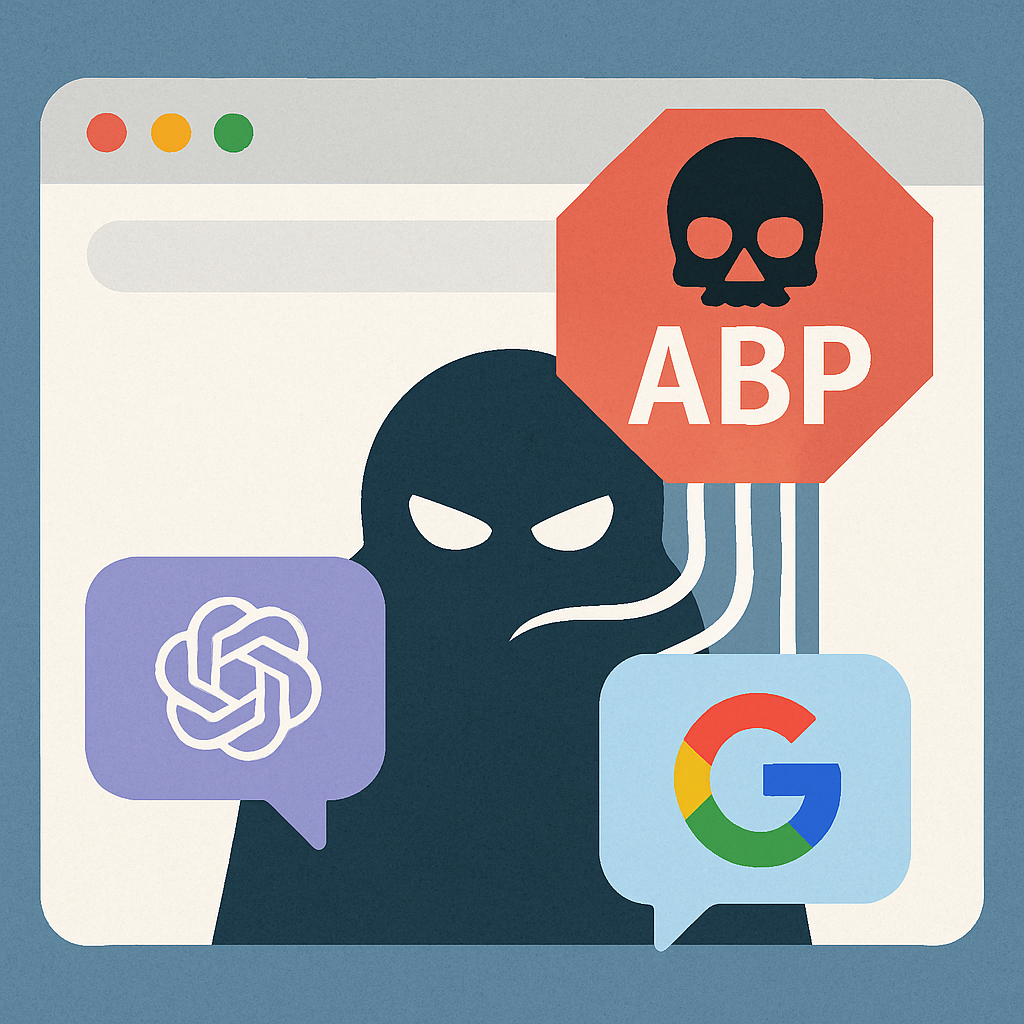
A newly identified cyberattack, termed Lies-in-the-Loop, has unveiled a significant vulnerability in artificial intelligence (AI) code assistants by manipulating their built-in safety mechanisms. This attack exploits the trust users place in approval dialogs—known as Human-in-the-Loop (HITL) controls—that are designed to prevent the execution of potentially harmful operations without explicit user consent.
Understanding the Lies-in-the-Loop Attack
The Lies-in-the-Loop attack targets the HITL controls, which serve as a critical safeguard by prompting users to confirm actions before executing sensitive commands. Attackers have discovered methods to deceive users by altering the content displayed in these dialogs, leading them to unknowingly approve the execution of malicious code.
Researchers at Checkmarx have identified this attack vector affecting multiple AI platforms, including Claude Code and Microsoft Copilot Chat. The technique involves indirect prompt injection attacks, where malicious instructions are embedded into the AI system’s context through external sources such as code repositories or web pages. This manipulation results in the generation of seemingly benign HITL dialogs that, when approved by the user, execute harmful commands.
Mechanism of the Attack
The Lies-in-the-Loop attack operates through a multi-step process:
1. Prompt Injection: Attackers inject malicious content into the AI agent’s context via external sources.
2. Deceptive Dialog Generation: The AI agent generates a HITL dialog based on the manipulated instructions, presenting it as a routine approval request.
3. User Approval: The user, trusting the legitimacy of the dialog, approves the action, inadvertently authorizing the execution of malicious code.
A critical aspect of this attack is the use of text padding techniques. By inserting benign-looking text, attackers can push the malicious commands out of the visible area in terminal windows. As a result, users scrolling through the instructions may not notice the hidden payload, leading to unintentional approval of harmful operations.
Demonstration and Implications
In a proof-of-concept demonstration, the Lies-in-the-Loop attack successfully executed a harmless application, such as calculator.exe, to illustrate the vulnerability. However, this method could be employed to deploy more damaging payloads, posing a significant risk to users.
The attack becomes particularly insidious when combined with Markdown injection vulnerabilities. By manipulating the interface rendering, attackers can create entirely fake approval dialogs, making the deception nearly undetectable to users reviewing the prompts.
Infection Mechanism
The Lies-in-the-Loop attack relies on three key techniques working in concert:
1. Prompt Injection: Malicious content is injected into the AI agent’s context through external sources like code repositories or web pages.
2. Deceptive Dialog Generation: The AI agent generates a HITL dialog based on the poisoned instructions, presenting it as a routine approval request.
3. User Approval: The user, trusting the legitimacy of the dialog, approves the action, inadvertently authorizing the execution of malicious code.
This attack succeeds because users cannot see what the agent actually intends to execute beneath the deceptive interface.
Responses from AI Platforms
Both Anthropic and Microsoft have acknowledged the findings related to the Lies-in-the-Loop attack. However, they have classified this issue as outside their current threat models, noting that multiple non-default actions are required for exploitation. Despite this, security researchers emphasize that this attack represents a fundamental challenge in AI agent design. When humans depend on dialog content they cannot verify independently, attackers can exploit that trust.
Broader Implications for AI Security
The discovery of the Lies-in-the-Loop attack underscores the evolving nature of cyber threats targeting AI systems. As AI platforms become more integrated into various applications, ensuring the security of their interfaces and user interactions becomes paramount.
This attack highlights the need for reimagining traditional security safeguards to protect users from sophisticated social engineering tactics at the human-AI interface level. Developers and security professionals must collaborate to enhance the resilience of AI systems against such deceptive practices.
Recommendations for Mitigation
To mitigate the risks associated with the Lies-in-the-Loop attack, the following measures are recommended:
1. Enhanced User Education: Educate users about the potential for deceptive approval dialogs and encourage vigilance when approving actions within AI systems.
2. Improved Dialog Transparency: Ensure that HITL dialogs provide clear and comprehensive information about the actions being approved, including any code that will be executed.
3. Robust Input Validation: Implement stringent validation mechanisms to detect and prevent prompt injection attacks from external sources.
4. Regular Security Audits: Conduct periodic security assessments of AI platforms to identify and address vulnerabilities related to user interface manipulation.
5. User Interface Design Enhancements: Design interfaces that make it more difficult for malicious content to be hidden or disguised within approval dialogs.
Conclusion
The Lies-in-the-Loop attack serves as a stark reminder of the complexities involved in securing AI systems, especially those that rely on user interactions for safety measures. As AI continues to advance and integrate into critical applications, proactive measures must be taken to safeguard against emerging threats that exploit human trust and system vulnerabilities.