Android Auto’s Upcoming Update: Google Cast Integration and Material 3 Expressive Music Player Redesign
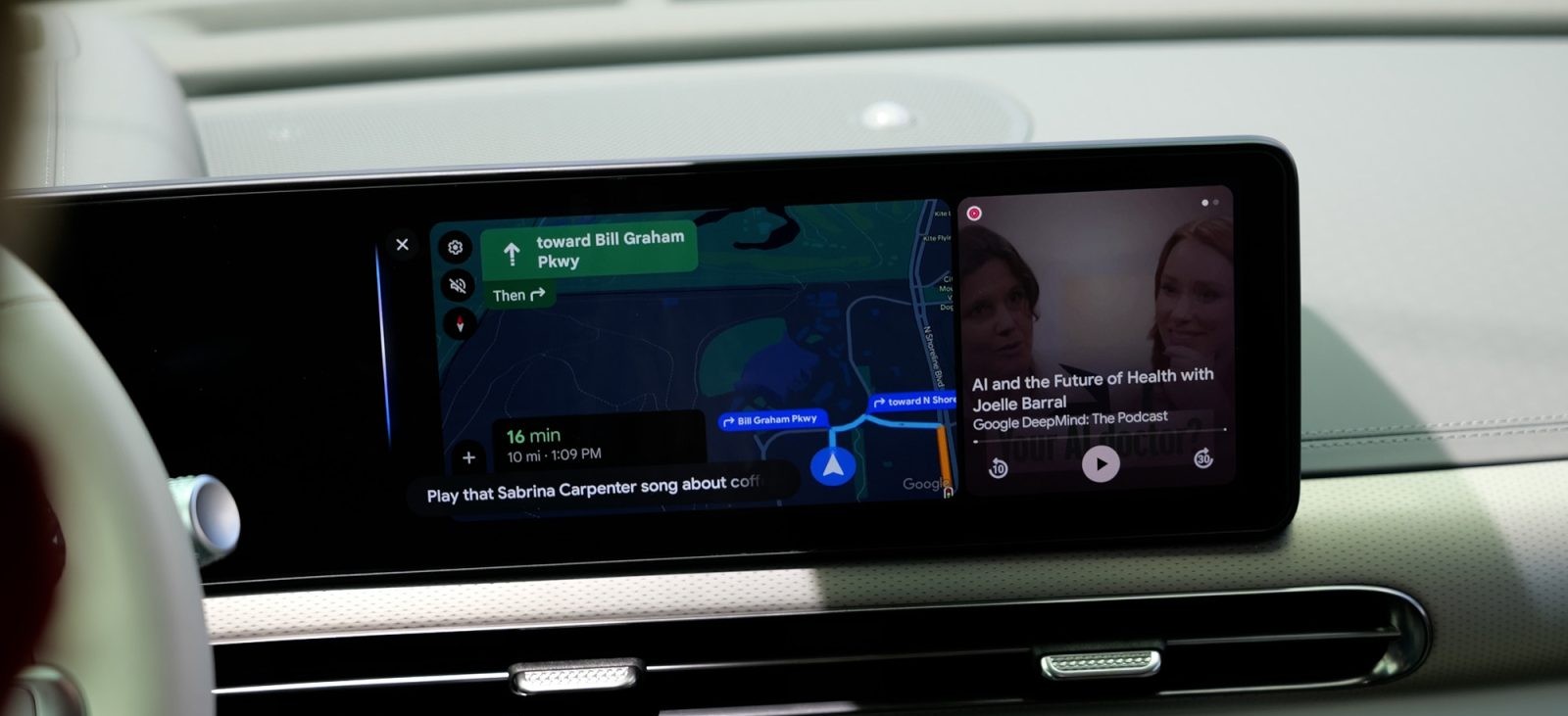
Google is poised to enhance the Android Auto experience with significant updates, including the integration of Google Cast support and a comprehensive redesign of the music player interface, aligning with the Material 3 Expressive design language.
Google Cast Integration:
In the latest beta release of Android Auto, version 15.9.655104, code strings have been identified that suggest the forthcoming inclusion of Google Cast functionality. These strings, embedded within the Media Router framework, explicitly reference Google Cast in the context of automotive applications. Notable entries include:
– `
– `
– `
– `
– `
– `
– `
– `
While these strings are relatively generic, their presence within the Android Auto application strongly indicates that Google is preparing to extend Cast support to this platform. This development follows the successful implementation of Cast functionality in Android Automotive, particularly with manufacturers like Rivian. Given Google’s previous hints at introducing video support to Android Auto, the addition of Cast capabilities appears to be a logical progression.
Material 3 Expressive Music Player Redesign:
In addition to Cast integration, Android Auto 15.9 reveals a concealed user interface overhaul for the music player, embracing the Material 3 Expressive design principles. This redesign introduces a more dynamic and visually engaging interface, featuring:
– Enhanced Progress Bar: A new, more prominent progress bar that provides clearer visual feedback on track progression.
– Refreshed Button Designs: Updated control buttons with a modern aesthetic, improving usability and aligning with the latest design standards.
– Consistent Design Language: The redesign ensures a cohesive look and feel across the full music application and the music control widget on the Android Auto dashboard.
These updates signify Google’s commitment to refining the Android Auto interface, making it more intuitive and visually appealing for users.
Implications and Future Prospects:
The integration of Google Cast into Android Auto could revolutionize in-car entertainment by enabling seamless streaming of audio and potentially video content directly to the vehicle’s infotainment system. This feature would allow users to cast content from their smartphones or other devices, enhancing the versatility and functionality of Android Auto.
The adoption of the Material 3 Expressive design language in the music player aligns with Google’s broader initiative to unify and modernize the user interfaces across its applications. This approach not only enhances aesthetic appeal but also improves user experience through consistent and intuitive design elements.
While these features are currently in the development phase, their presence in the beta version suggests that they may be rolled out to the public in upcoming updates. However, as with all beta features, there is no definitive timeline for their official release, and they may undergo further modifications based on user feedback and testing outcomes.
Conclusion:
Google’s ongoing enhancements to Android Auto, including the anticipated integration of Google Cast support and the Material 3 Expressive redesign of the music player, reflect the company’s dedication to improving in-car digital experiences. These updates promise to deliver a more seamless, engaging, and user-friendly interface, aligning with modern design standards and user expectations.