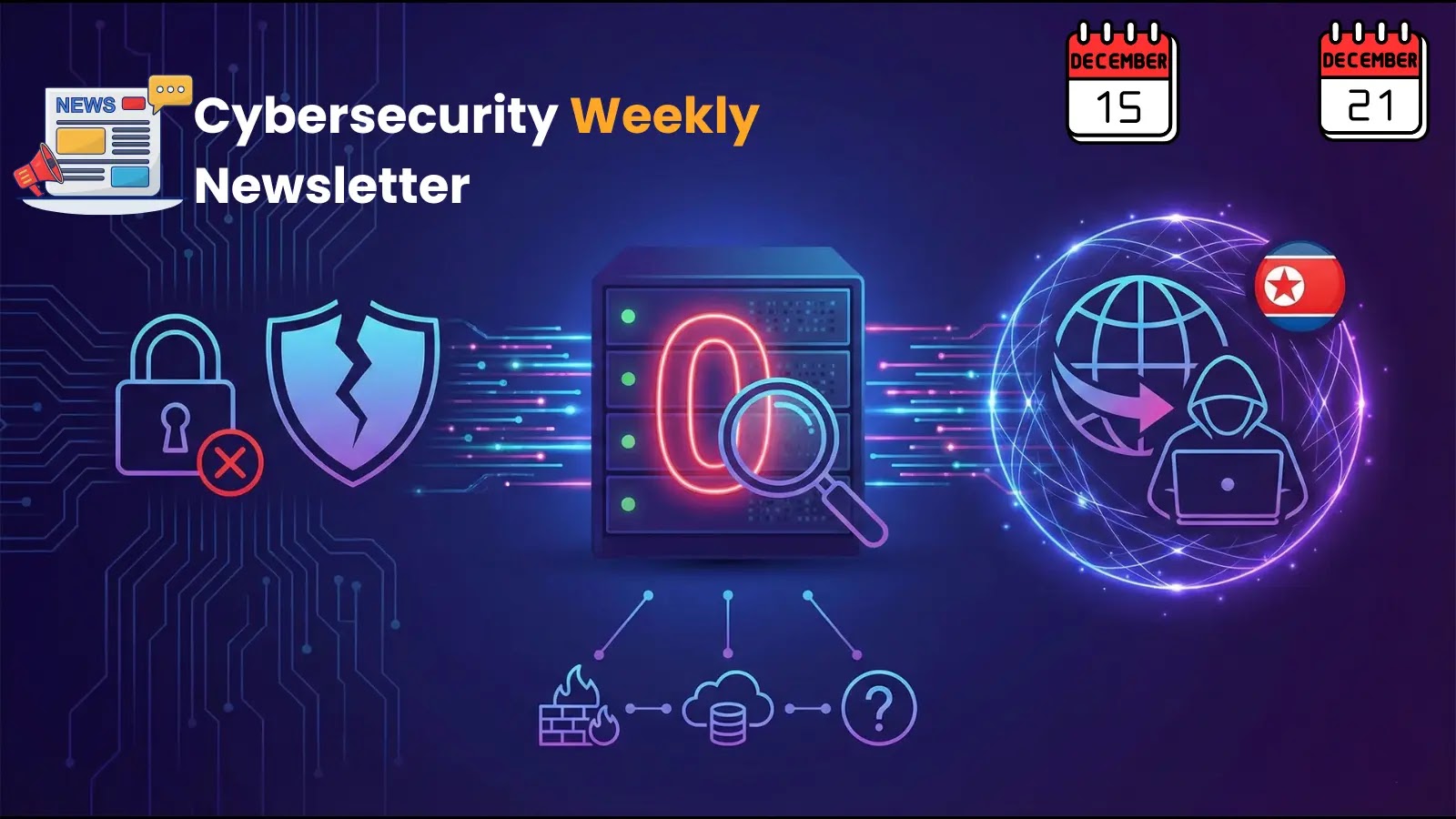
Cybersecurity Weekly Recap: Major Breaches, Zero-Day Exploits, and Espionage Unveiled
The past week has been marked by significant cybersecurity incidents, highlighting vulnerabilities across various sectors and the persistent threats posed by cyber adversaries.
PornHub Data Breach Exposes Over 1.2 Million Accounts
Adult entertainment platform PornHub has suffered a substantial data breach, with attackers claiming to have accessed usernames, email addresses, and encrypted passwords of more than 1.2 million users. This incident underscores the ongoing risks associated with adult platforms, which remain attractive targets for credential stuffing and phishing campaigns. The breach has reignited discussions on the importance of robust third-party risk management and the adequacy of legacy encryption methods in protecting user data on high-traffic websites.
Cisco’s Critical Zero-Day Vulnerability Exploited
Cisco has issued an urgent alert regarding a critical zero-day vulnerability (CVE-2025-20393) in its IOS XE software. This flaw, actively exploited by advanced persistent threat (APT) actors, allows unauthenticated remote code execution on enterprise routers, potentially compromising global networks. Dubbed Storm-1252, the vulnerability has led to infections across North America and Europe. Cisco has released emergency patches, and security teams worldwide are urged to prioritize scanning and mitigation efforts to protect their network perimeters from state-sponsored intrusions.
Amazon Uncovers North Korean Operative Within Its Cloud Infrastructure
In a significant development, Amazon has identified and terminated a North Korean IT worker embedded within its cloud infrastructure. The operative, linked to the notorious Lazarus Group, posed as a U.S.-based freelancer through platforms like Upwork, attempting to siphon sensitive code and credentials. Amazon’s behavioral analytics and employee vigilance led to the swift detection and termination of the individual, with the incident reported to the FBI. This case highlights the ongoing efforts by North Korean cyber operations to infiltrate corporate environments and fund state activities through cyber espionage.
Emerging Threats: Gentlemen Ransomware and Storm-0249
The cybersecurity landscape continues to evolve with the emergence of new threats:
– Gentlemen Ransomware: First detected in August 2025, this ransomware family has rapidly become one of the most active, targeting medium and large enterprises across 17 countries. Sectors such as healthcare, manufacturing, and insurance have been particularly affected. Operating on a double-extortion model, the group exfiltrates sensitive data before encrypting it, leveraging Go-based cross-platform payloads and abusing Group Policy Objects (GPO) to disable defenses and spread laterally. The ransomware employs X25519 for key exchange and XChaCha20 for file encryption, selectively encrypting file segments to optimize speed while dropping ransom notes titled README-GENTLEMEN.txt in affected directories.
– Storm-0249: This threat actor has evolved from conducting mass phishing campaigns to becoming a stealthy initial access broker, selling access to networks primed for ransomware deployment. The group now abuses trusted Endpoint Detection and Response (EDR) binaries, such as SentinelOne’s SentinelAgentWorker.exe, for DLL sideloading. By using signed executables to load malicious libraries, Storm-0249 maintains persistence under high-trust processes, evading detection. This shift often begins with social engineering tactics, including malicious MSI packages, allowing the group to perform reconnaissance and bind encryption to machine identifiers, complicating detection efforts.
Innovative Social Engineering: ClickFix Campaign
A new social engineering technique, dubbed ClickFix, has been identified, exploiting the legacy Windows `finger.exe` tool and fake CAPTCHA pages to deliver malware. This campaign demonstrates the continuous evolution of social engineering tactics, emphasizing the need for user awareness and robust security measures to counteract such deceptive strategies.
Conclusion
These incidents collectively highlight the dynamic and persistent nature of cyber threats facing organizations today. From sophisticated ransomware operations and zero-day exploits to nation-state espionage and innovative social engineering campaigns, the cybersecurity landscape demands constant vigilance, proactive defense strategies, and comprehensive risk management to safeguard sensitive information and maintain trust in digital systems.