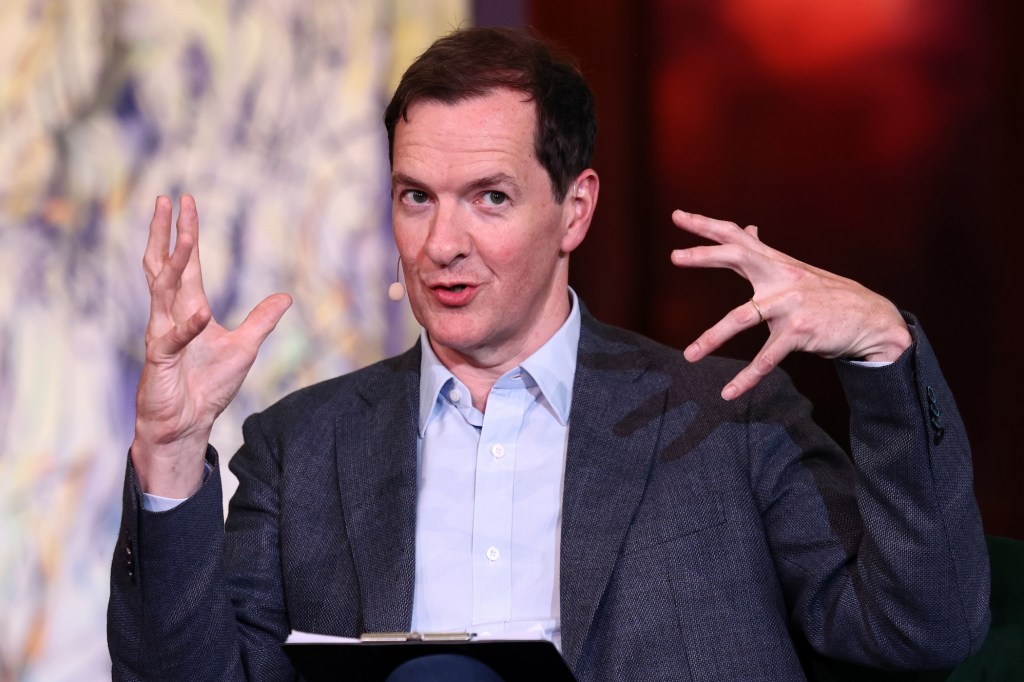
British Politicians Transitioning to American Tech Giants: A Growing Trend
In recent years, a notable trend has emerged: British politicians are increasingly transitioning from public service to influential roles within major American technology companies. This movement underscores the intersection of governance and technology, highlighting the value of political experience in the rapidly evolving tech landscape.
George Osborne’s Dual Appointments
George Osborne, who served as the UK’s Chancellor of the Exchequer from 2010 to 2016, has recently taken on significant roles in the tech sector. In December 2025, Osborne announced his appointment as Managing Director and Head of OpenAI for Countries, based in London. In this capacity, he is tasked with expanding OpenAI’s partnerships and collaborating with governments worldwide to develop AI infrastructure, including computing capacity, workforce training, and the enhancement of public services through artificial intelligence.
Shortly after this announcement, Osborne was also appointed to lead Coinbase’s Global Advisory Council. This council provides strategic guidance to the cryptocurrency exchange as it navigates global expansion and regulatory challenges. Osborne’s extensive experience in finance and governance positions him as a valuable asset in these roles.
Rishi Sunak’s Advisory Roles
Former UK Prime Minister Rishi Sunak has also made significant strides into the tech industry. In October 2025, Sunak joined Microsoft and AI startup Anthropic as a senior adviser. His focus at Microsoft includes advising on global technology strategy and innovation policy, with an emphasis on artificial intelligence governance and digital transformation. At Anthropic, Sunak provides insights on global strategic matters, leveraging his background in economics and policy-making.
Sunak’s transition to these advisory roles was facilitated by the UK’s Advisory Committee on Business Appointments, which ensures that former ministers adhere to guidelines preventing conflicts of interest. Notably, Sunak has committed to donating his earnings from these positions to The Richmond Project, a charity he co-founded with his wife, Akshata Murty.
Nick Clegg’s Role at Meta
Nick Clegg, former Deputy Prime Minister of the UK, has been a pioneer in this trend. In 2018, Clegg joined Meta (formerly Facebook) as Vice President of Global Affairs and Communications. Over the years, he has played a pivotal role in shaping the company’s policies on content moderation, privacy, and international relations. His political acumen has been instrumental in navigating the complex regulatory environments that tech companies often face.
Joanna Shields’ Contributions
Joanna Shields, Baroness Shields, exemplifies the seamless transition from politics to tech. Before her political career, Shields held executive positions at companies like Google and Bebo. She later served as the UK’s Minister for Internet Safety and Security, focusing on protecting children online and combating digital abuse. After her tenure in government, Shields returned to the tech industry, bringing her policy experience to the private sector.
Damian Collins’ Engagements
Damian Collins, who served as the Member of Parliament for Folkestone and Hythe from 2010 to 2024, has also been involved in the tech sector. As Chairman of the Digital, Culture, Media and Sport Committee, Collins was at the forefront of inquiries into digital platforms and their societal impacts. Post-politics, he has engaged with tech companies, offering insights into regulatory challenges and digital policy.
Stephen Kelly’s Leadership
Stephen Kelly, with a career spanning both the private and public sectors, has held CEO positions in UK and US tech companies. Notably, he served as the Chief Operating Officer of the UK Government before transitioning back to the tech industry. His leadership roles have involved steering companies through digital transformations and navigating the intersection of technology and governance.
Alexander Nix’s Controversial Path
Alexander Nix, former CEO of Cambridge Analytica, represents a more contentious example of the crossover between politics and tech. His company’s involvement in political campaigns and data analytics sparked global debates on privacy and ethical practices in the tech industry. Nix’s career trajectory highlights the complexities and potential pitfalls of the interplay between technology and politics.
Sriram Krishnan’s Policy Influence
Sriram Krishnan, an Indian-American investor and tech executive, has also bridged the gap between technology and policy. In 2024, he was appointed as the Senior White House Policy Advisor on Artificial Intelligence, reflecting the increasing importance of tech expertise in governmental decision-making.
Implications of the Trend
The migration of British politicians to American tech companies reflects a broader recognition of the value that political experience brings to the tech industry. These individuals offer insights into regulatory landscapes, public policy, and international relations, which are crucial as tech companies face increasing scrutiny and the need for responsible innovation.
Moreover, this trend underscores the global nature of the tech industry and the importance of cross-sector collaboration. As technology continues to permeate every aspect of society, the integration of political expertise into tech companies can facilitate more informed decision-making and foster trust between the public and private sectors.
Conclusion
The movement of British politicians into roles within American tech giants is a testament to the evolving relationship between governance and technology. As this trend continues, it will be essential to monitor how these appointments influence both the tech industry’s approach to policy and the broader societal implications of technological advancements.