Apple’s Vision: Integrating Fabric Displays into Future Devices
Apple is exploring innovative ways to enhance user interaction by integrating display capabilities directly into the fabric coverings of its devices. This approach aims to transform the aesthetic and functional aspects of products like the HomePod, iPhone cases, and Apple Watch bands.
Innovative Patent Insights
A recently granted patent titled Fabric-Covered Electronic Device With Light-Emitting Components sheds light on Apple’s vision. The patent details methods to embed light-emitting elements within fabric materials, enabling the display of information directly on the device’s surface. This integration could lead to more seamless and interactive user experiences.
HomePod’s Evolution
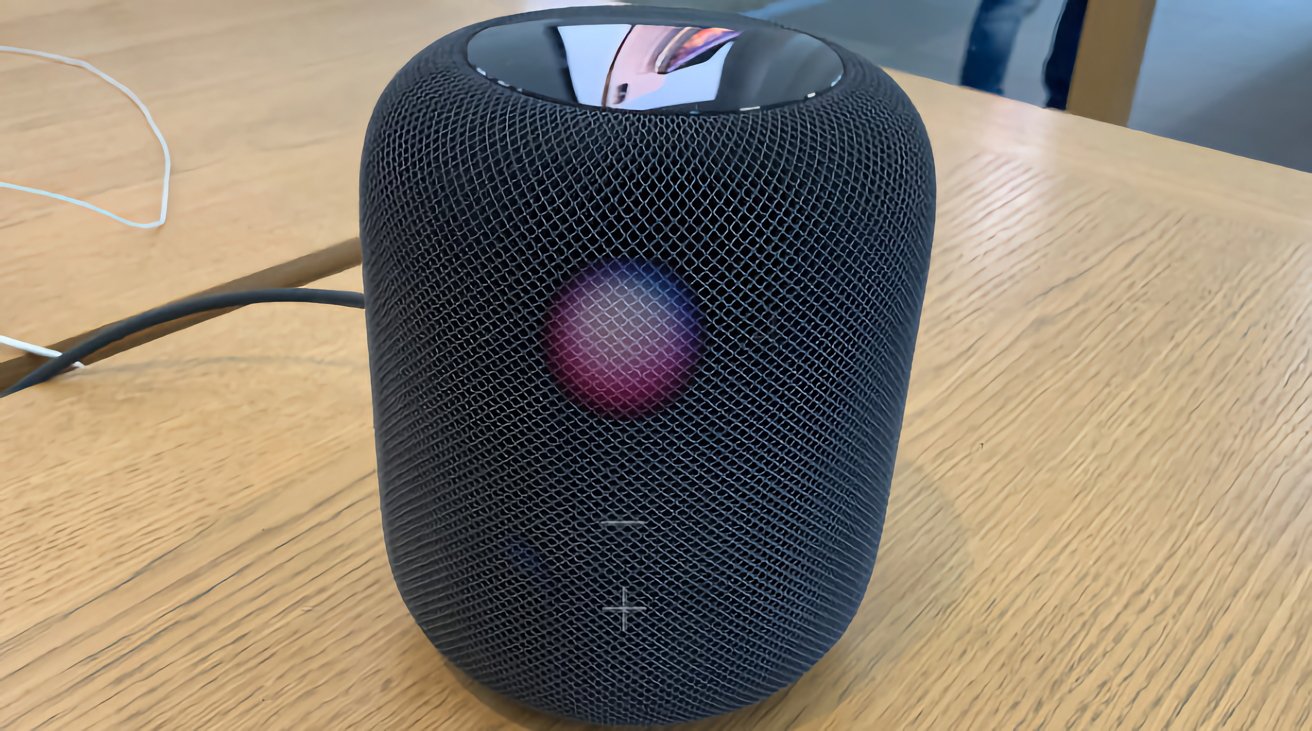
The HomePod, known for its sleek design and superior sound quality, could undergo a significant transformation. By incorporating light-emitting components into its fabric cover, the HomePod could display notifications, controls, or visual feedback without the need for a traditional screen. This design would maintain the device’s minimalist aesthetic while enhancing functionality.
Beyond the HomePod
Apple’s exploration isn’t limited to the HomePod. The patent also mentions potential applications for iPhone cases and Apple Watch bands. Imagine an iPhone case that displays incoming call alerts or an Apple Watch band that shows fitness metrics directly on its surface. These innovations could redefine how users interact with their devices.
Technical Considerations
Integrating displays into fabric involves several technical challenges. Apple proposes weaving light-transmissive fibers alongside traditional materials to create a cohesive and flexible display. Advanced manufacturing techniques, such as three-dimensional knitting, could be employed to achieve precise patterns and designs. Additionally, the patent discusses methods to ensure that the light-emitting components are visible from various angles, enhancing usability.
Historical Context
Apple’s interest in fabric-integrated displays isn’t new. In 2015, the company filed a patent for a Woven Display, detailing techniques to interweave light-transmissive materials into textiles. This earlier patent focused on creating secondary displays for devices like the Apple Watch, showcasing Apple’s long-term commitment to this innovative approach.
Potential Applications
The integration of fabric displays opens up a myriad of possibilities:
– Enhanced User Interaction: Devices could provide visual feedback directly on their surfaces, reducing the need for separate screens or interfaces.
– Aesthetic Appeal: Maintaining a seamless design without protruding screens aligns with Apple’s minimalist design philosophy.
– Versatility: Fabric displays could be customized for various applications, from wearable technology to home devices, offering a consistent and intuitive user experience.
Challenges Ahead
While the concept is promising, several challenges need to be addressed:
– Durability: Ensuring that the fabric displays can withstand daily wear and tear without compromising functionality.
– Energy Efficiency: Managing power consumption to prevent rapid battery depletion.
– Manufacturing Complexity: Developing cost-effective manufacturing processes to produce these advanced fabrics at scale.
Conclusion
Apple’s exploration into fabric-integrated displays signifies a potential shift in device design and user interaction. By embedding display capabilities directly into fabric coverings, Apple aims to create more intuitive, aesthetically pleasing, and versatile products. As technology advances, it will be intriguing to see how these concepts materialize in future Apple devices.