Swiss Competition Commission Investigates Apple’s NFC Access Policies on iOS Devices
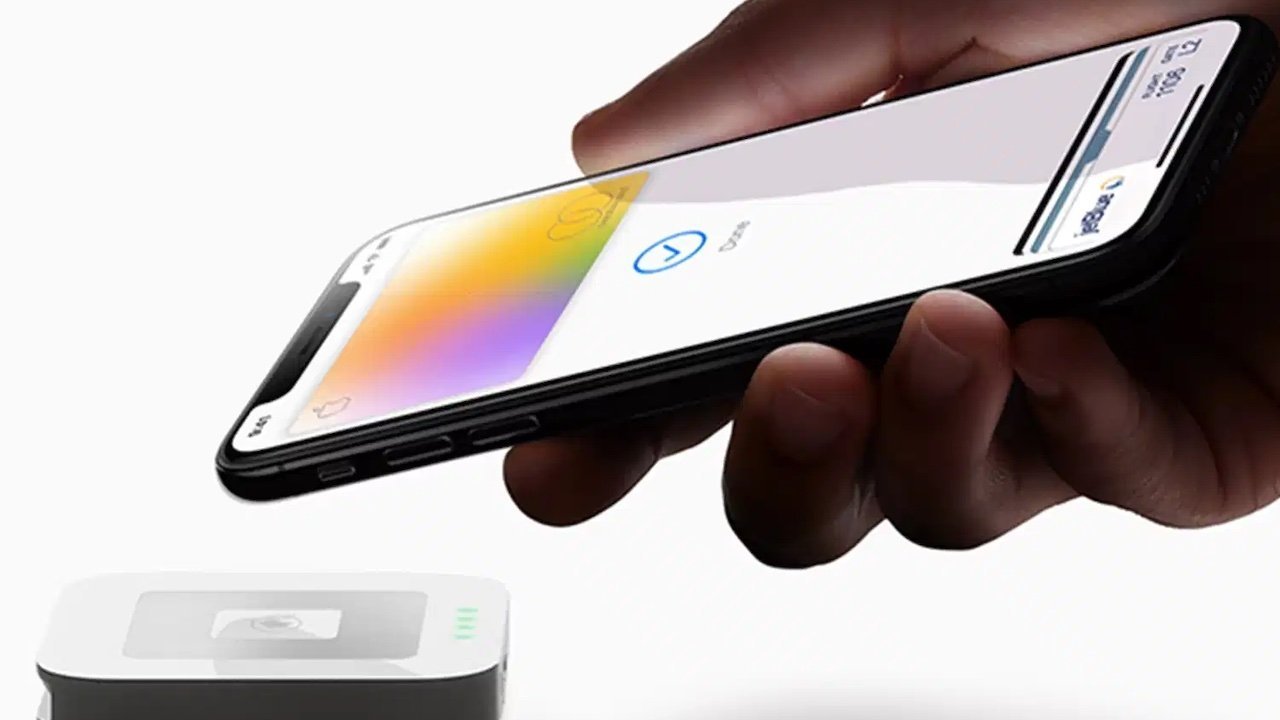
The Swiss Competition Commission (COMCO) has initiated a preliminary investigation into Apple’s control over Near Field Communication (NFC) technology on iOS devices. This inquiry aims to determine whether Apple’s terms for granting third-party access to the NFC interface comply with Swiss antitrust laws and whether they allow effective competition with Apple Pay in the mobile payment sector.
Background on NFC Technology and Apple’s Control
NFC technology enables contactless communication between devices over short distances, facilitating services like mobile payments, digital tickets, and access controls. On iOS devices, Apple has historically maintained exclusive control over the NFC interface, restricting third-party developers from utilizing this functionality. This exclusivity has been a point of contention, especially as Android devices have long permitted open access to NFC capabilities for third-party applications.
European Union’s Influence and Apple’s Response
In July 2024, the European Commission accepted commitments from Apple to grant third-party developers free access to the NFC interface on iOS devices within the European Economic Area (EEA). This decision was aimed at fostering competition and innovation in the mobile payment market. Following this, Apple extended similar access to developers in various regions, including the United States, Canada, and Japan, by August 2024.
Switzerland’s Position and COMCO’s Investigation
Switzerland, not being a member of the EU, was not directly affected by the EU’s decision. However, COMCO has been in dialogue with Apple since early 2024 to enable Swiss app providers to access the NFC interface on iOS devices. As a result, Apple began granting Swiss third-party app providers access to the NFC and Secure Element (SE) platform on iOS devices in late 2024. Despite this, COMCO has raised concerns that the terms and conditions for granting access in Switzerland differ from those in the EEA, prompting the current investigation.
Key Concerns of the Investigation
The primary focus of COMCO’s investigation is to assess whether Apple’s conditions for NFC access hinder competition by preventing other mobile payment apps from effectively competing with Apple Pay for contactless payments in physical stores. Specific concerns include:
– Access Restrictions: Apple grants third parties access to the NFC interface on iOS devices solely via its NFC & SE platform technology and subject to its terms and conditions. This controlled access raises questions about whether it creates an uneven playing field for third-party developers.
– Differing Terms and Conditions: The terms imposed on Swiss developers differ from those in the EEA, where Apple had to comply with EU regulations. COMCO is examining whether these differing conditions comply with Swiss antitrust law.
– Impact on Local Payment Providers: Swiss payment service providers, such as Twint, have expressed concerns that Apple’s control over NFC access may limit their ability to offer competitive services. Twint, which holds a significant share of the domestic mobile payments market, has been particularly vocal about the need for non-discriminatory access to NFC technology.
Potential Implications for the Mobile Payment Market
The outcome of COMCO’s investigation could have significant implications for the mobile payment landscape in Switzerland. If the investigation concludes that Apple’s practices violate Swiss antitrust laws, Apple may be required to adjust its terms and conditions to ensure fair competition. This could lead to:
– Increased Competition: Allowing third-party developers more equitable access to NFC technology could foster innovation and provide consumers with a broader range of mobile payment options.
– Enhanced Consumer Choice: With more players in the market, consumers may benefit from improved services, better pricing, and more features tailored to their needs.
– Regulatory Precedents: The investigation may set a precedent for how technology companies control access to essential hardware features, influencing future regulatory actions both within Switzerland and globally.
Apple’s Position and Industry Reactions
As of now, Apple has not publicly commented on the ongoing investigation. The company has previously argued that its control over NFC technology is necessary to ensure security and user experience. However, critics argue that such control stifles competition and innovation.
Industry stakeholders, including local payment providers and consumer advocacy groups, are closely monitoring the situation. Many are hopeful that the investigation will lead to a more open and competitive market, benefiting both developers and consumers.
Conclusion
The Swiss Competition Commission’s investigation into Apple’s NFC access policies underscores the ongoing global scrutiny of how major technology companies control access to essential hardware and software features. The findings of this investigation could have far-reaching implications for the mobile payment industry, potentially reshaping the competitive landscape and influencing regulatory approaches in other jurisdictions.