Google Translate Introduces Live Translation with Gemini Integration for All Headphones
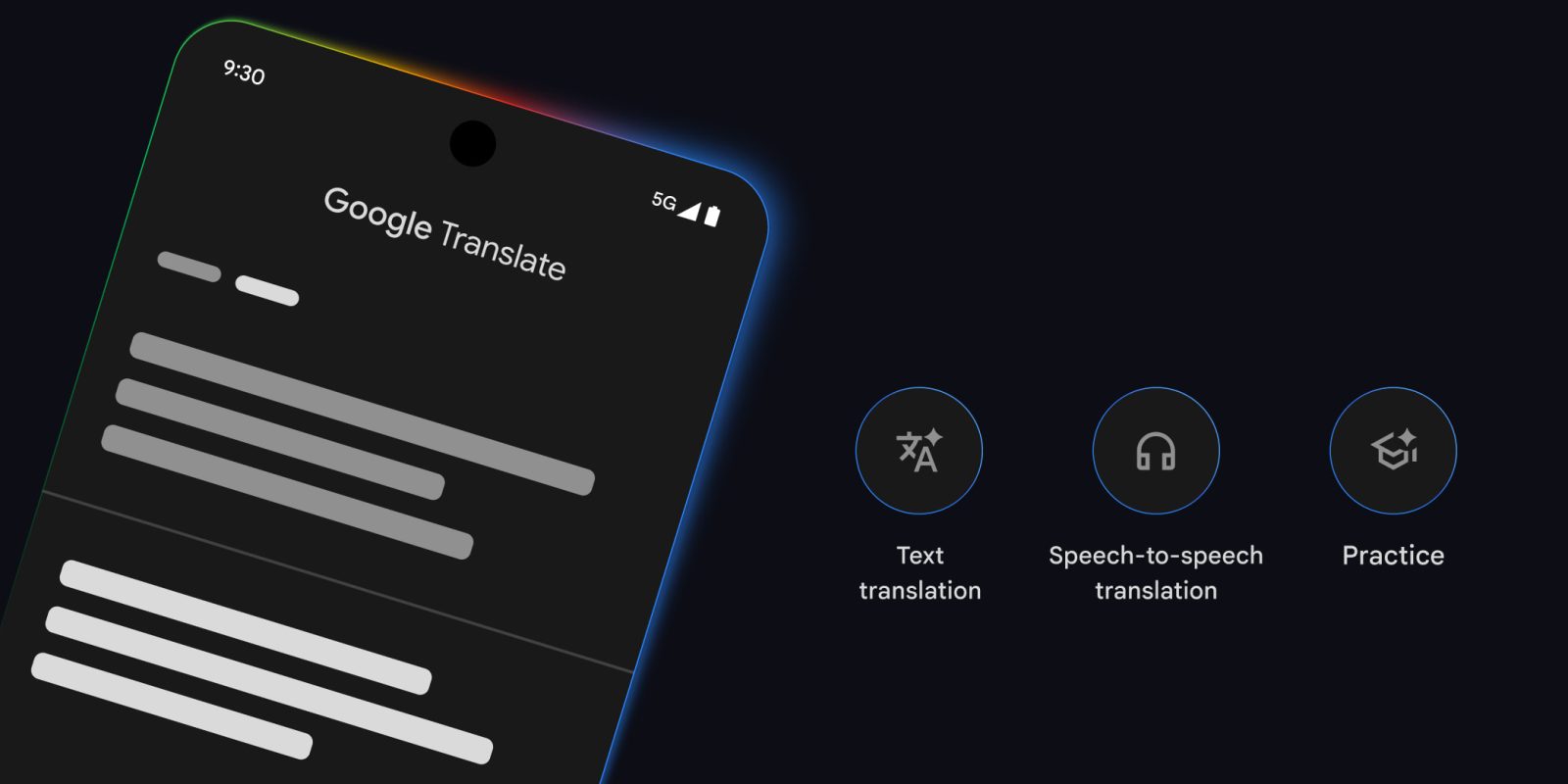
In a significant advancement for language translation technology, Google Translate has unveiled new features powered by its Gemini AI model, including live translation capabilities compatible with any pair of headphones.
Enhanced Translation Accuracy with Gemini
Google Translate now utilizes the advanced capabilities of the Gemini AI model to deliver more accurate translations, especially for phrases with nuanced meanings such as idioms, local expressions, and slang. For instance, the English idiom stealing my thunder will no longer be translated literally. Instead, Gemini interprets the context to provide a translation that conveys the intended meaning, resulting in more natural and precise translations.
This enhancement is currently being rolled out in the Translate app for both Android and iOS platforms, as well as on the Google Translate website and through Google Search. Initially, it is available in the United States and India, supporting translations between English and nearly 20 other languages, including Spanish, Arabic, Chinese, Japanese, and German.
Live Translation with Headphones
Building upon the mobile launch in August, Google Translate now offers real-time translation directly through users’ headphones. By simply pointing the phone at the speaker, users can hear the translated speech in their preferred language. This feature leverages the Gemini 2.5 Flash Native Audio model to preserve the speaker’s tone, emphasis, and cadence, resulting in more natural translations and making it easier to follow conversations.
This live translation feature is particularly beneficial for engaging in conversations in different languages, attending speeches or lectures abroad, or watching foreign-language media. To access this feature, users should ensure their headphones are paired with their device, open the Google Translate app, and tap on Live translate at the bottom of the screen. Users can specify a language or set the app to Detect and then start the translation. The interface provides a full-screen transcription of the conversation.
Currently in beta, this feature is rolling out to Translate for Android users in the United States, Mexico, and India, supporting over 70 languages. It is compatible with any pair of headphones. Google plans to refine the model and user experience further, with plans to expand to Translate for iOS and additional countries in 2026.
Language Learning Enhancements
In addition to translation improvements, Google Translate has enhanced its language learning features introduced in August. Users will now receive improved feedback when practicing speech, and the app will track daily usage streaks to encourage consistent learning.
These language learning features are expanding to Germany, India, Sweden, and Taiwan, among other countries, supporting translations from English to German and Portuguese, as well as from Bengali, Mandarin Chinese (Simplified), Dutch, German, Hindi, Italian, Romanian, and Swedish to English.
These updates underscore Google’s commitment to breaking down language barriers and enhancing cross-cultural communication through advanced AI technology.