Spoor’s AI Revolutionizes Bird Monitoring for Wind Farms and Beyond
In 2021, Spoor, a Norwegian startup, embarked on a mission to mitigate the adverse effects of wind turbines on bird populations by harnessing the power of computer vision. Today, the company stands as a testament to technological innovation, having not only validated its groundbreaking technology but also experiencing a surge in demand from wind farms and various other sectors.
Based in Oslo, Spoor has developed sophisticated software that employs computer vision to meticulously track and identify bird populations and their migration patterns. This advanced system can detect avian activity within a 2.5-kilometer radius (approximately 1.5 miles) and is compatible with any high-resolution camera available on the market.
For wind farm operators, this technology is transformative. It enables them to make informed decisions about the placement of wind farms and to adapt operations in response to migration patterns. For instance, during peak migration periods, a wind farm can proactively slow down or even halt its turbines to minimize the risk to birds.
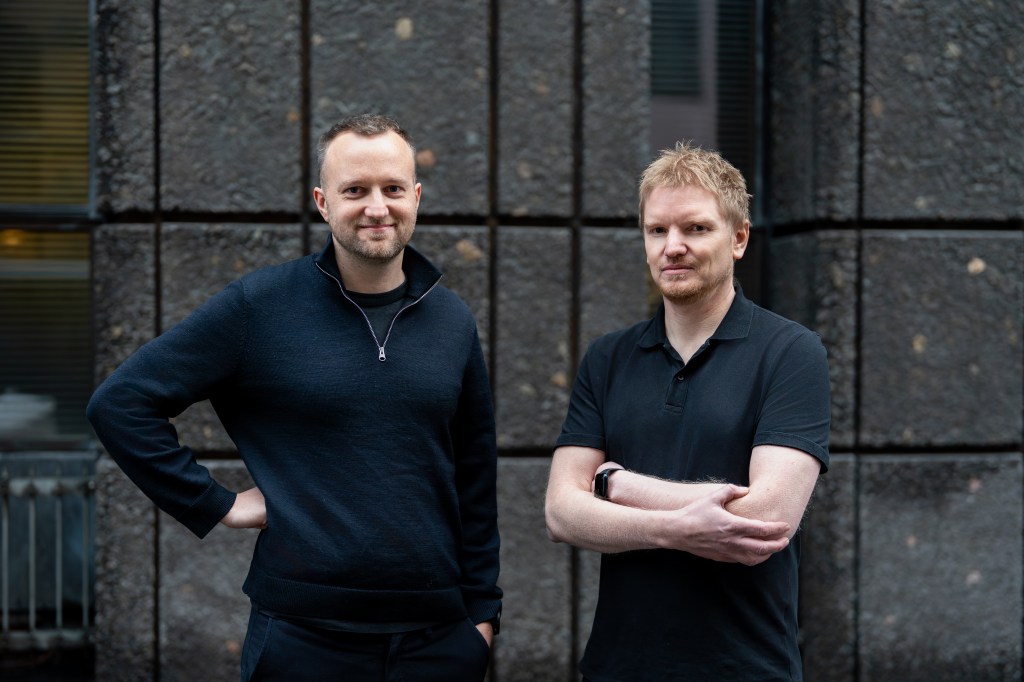
Ask Helseth, co-founder and CEO of Spoor, was inspired to address this challenge upon discovering the industry’s lack of effective bird tracking methods, despite stringent regulations in many countries concerning wind farm operations and their impact on local bird populations. He noted, The expectations from the regulators are growing but the industry doesn’t have a great tool. A lot of people [go out] in the field with binoculars and trained dogs to find out how many birds are colliding with the turbines.
Since its inception, Spoor has not only demonstrated the necessity of its technology but has also made significant enhancements. Initially capable of tracking birds within a 1-kilometer range, the system’s reach has now doubled. With the accumulation of extensive data to refine its AI model, Spoor has achieved an impressive bird identification accuracy rate of approximately 96%.
Helseth elaborated on the complexities of species identification, stating, Identifying the species of the bird for some of the clients, you add another layer. Is it a bird or not a bird? We have an in-house ornithologist to help train the model to train the new types of birds or a new type of species. Having deployment in other countries [means] having rare species in the database.
Currently, Spoor’s operations span three continents, collaborating with over 20 of the world’s leading energy companies. The company’s innovative approach has also attracted interest from diverse industries, including airports and aquaculture farms. Notably, Spoor has partnered with Rio Tinto, a London-based mining giant, to monitor bat populations.
The versatility of Spoor’s technology has sparked interest in tracking other similarly sized objects. However, Helseth emphasized that the company is not considering a pivot into these areas at this time. He humorously remarked, Drones are of course a plastic bird in our mind. They move in a different way and have a different shape and size. Currently we are discarding that data but we are getting interest in it.
In a significant financial milestone, Spoor recently secured an €8 million ($9.3 million) Series A funding round led by SET Ventures, with participation from Ørsted Ventures and Superorganism, among other strategic investors.
Helseth anticipates that the demand for such technology will continue to escalate as regulatory bodies intensify their scrutiny of wind farms. He cited a recent example where French regulators shut down a wind farm in April due to its detrimental impact on the local bird population, imposing fines amounting to hundreds of millions.
Reflecting on the company’s mission, Helseth stated, Our mission is to enable industry and nature to coexist. We have started on that journey, but we are still a small startup with a lot to prove. In the coming years, we want to really cement our position in the wind industry and become a global leader to tackle these challenges. At the same time, we want to build some proof points that this technology has value beyond that main category.