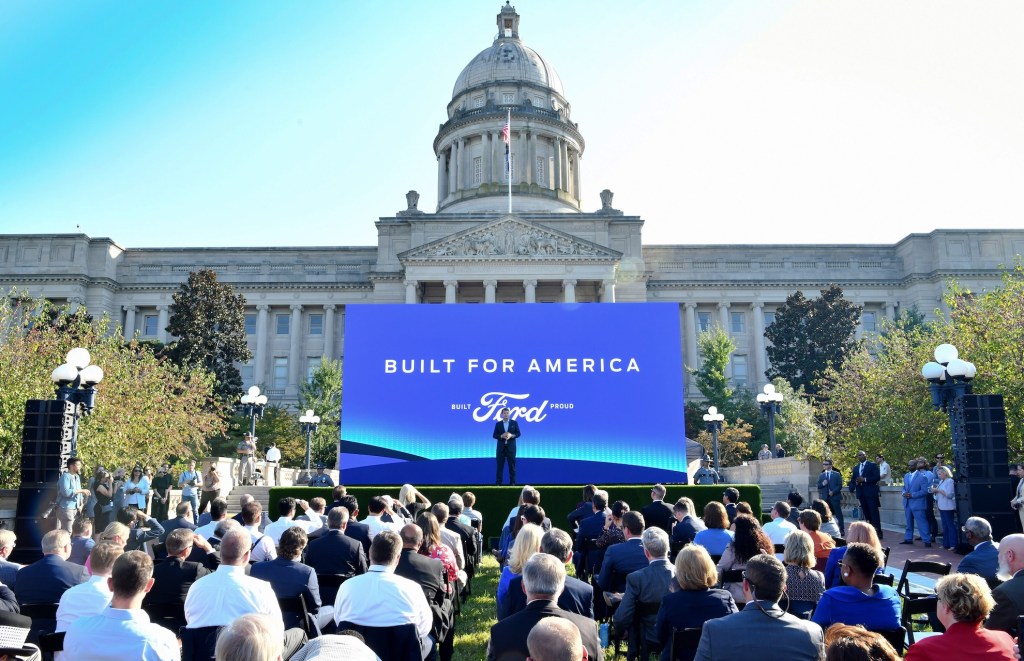
Ford and SK On Dissolve U.S. Battery Joint Venture Amid Shifting EV Market Dynamics
In a significant development within the electric vehicle (EV) industry, Ford Motor Company and South Korean battery manufacturer SK On have mutually agreed to terminate their U.S.-based battery joint venture, BlueOval SK. This decision marks a pivotal shift in their collaborative efforts to bolster EV battery production in the United States.
Background of the Joint Venture
Established in 2021, BlueOval SK was a strategic partnership between Ford and SK On, aimed at accelerating the production of batteries for Ford’s next-generation electric vehicles, particularly the F-Series trucks. The collaboration entailed a substantial investment of $11.4 billion to construct state-of-the-art battery manufacturing facilities in Tennessee and Kentucky. These plants were envisioned to play a crucial role in Ford’s ambitious plans to electrify its vehicle lineup and meet the growing demand for EVs.
Details of the Dissolution
The dissolution of the joint venture involves a clear division of assets between the two companies:
– Kentucky Facilities: Ford will assume full ownership and operational control of the twin battery plants located in Kentucky. These facilities are integral to Ford’s strategy to produce high-capacity batteries for its electric trucks and other EV models.
– Tennessee Facility: SK On will take over the operations of the battery manufacturing plant situated at the expansive BlueOval SK campus in Tennessee. This facility is expected to continue supplying batteries, potentially to multiple automakers, including Ford.
Despite the termination of the joint venture, both companies have expressed a commitment to maintaining a strategic partnership, particularly concerning the Tennessee plant. This ongoing collaboration underscores the importance of the facility in the broader context of EV battery production and supply chain stability.
Industry Context and Implications
The decision to end the joint venture comes at a time when the automotive industry is navigating a complex landscape of EV adoption and market demand. Over the past few years, automakers have invested heavily in EV production, anticipating a surge in consumer interest. However, the actual growth in EV sales has not consistently met these optimistic projections. Factors such as the expiration of federal EV tax credits have also contributed to a more tempered pace of adoption.
For Ford, this move reflects a strategic reassessment of its EV production and supply chain strategies. By taking direct control of the Kentucky facilities, Ford may aim to streamline its battery production processes, reduce costs, and enhance its ability to respond to market fluctuations. This approach aligns with Ford’s broader efforts to adapt to the evolving automotive landscape, which includes scaling back certain investments and adjusting production plans in response to market realities.
Broader Industry Trends
The dissolution of the BlueOval SK joint venture is indicative of a larger trend within the automotive industry, where companies are reevaluating partnerships and investment strategies in the face of changing market dynamics. For instance, in 2023, Ford announced a reduction in its planned investment for a Michigan-based EV battery factory, scaling back from an initial $3.5 billion to $2 billion. This decision was influenced by slower-than-expected growth in EV demand and reflects a cautious approach to large-scale investments in the current market environment.
Similarly, other automakers have adjusted their EV strategies. General Motors, for example, has diversified its battery technology portfolio and formed multiple partnerships to secure a stable supply chain for its EV production. These moves highlight the industry’s recognition of the need for flexibility and adaptability in the rapidly evolving EV market.
Future Outlook
As Ford and SK On navigate the post-joint venture landscape, both companies are likely to focus on optimizing their respective operations to better align with market demands. Ford’s direct management of the Kentucky battery plants may lead to more integrated production processes and potentially faster innovation cycles. Meanwhile, SK On’s control of the Tennessee facility positions it to serve a broader client base, potentially expanding its market reach beyond Ford.
The ongoing strategic partnership between the two companies, particularly concerning the Tennessee plant, suggests that collaboration remains a key component of their strategies. This partnership may involve joint research and development efforts, shared technological advancements, and coordinated responses to market changes.
Conclusion
The termination of the BlueOval SK joint venture between Ford and SK On marks a significant shift in the EV battery production landscape in the United States. This decision reflects the complexities and challenges inherent in the rapidly evolving EV market, where companies must continuously adapt their strategies to align with consumer demand, technological advancements, and economic factors. As Ford and SK On move forward independently, their actions will likely influence broader industry trends and shape the future of EV production and adoption.